The Founder Who Almost Killed His Company by Being Right
%201.avif)

His board called an emergency meeting on a Thursday morning.
Three of his strongest hires had resigned inside six weeks. A competitor had taken a quarter of his largest segment. The company was still growing. Nobody in the room felt like it was.
The founder walked in with twenty-two slides. Pipeline, roadmap, response plan. He had rehearsed the delivery on the drive over. He was ready to explain why the resignations were noise and why the share loss was already reversing.
Nobody looked at the slides.
The lead independent director spoke first. "We need to talk about what your team stopped telling you."
The founder said his leadership team had full visibility.
The director opened a folder. Six pages. Slack threads, forwarded emails, notes from three exit interviews. Every page named the same thing in different words. The founder was right too often, too fast, and too publicly. His team had stopped bringing him bad numbers. They had stopped surfacing disagreements. They had learned that presenting a problem to him was functionally the same as being blamed for it.
He read the folder twice without looking up. Then he asked why nobody had told him.
The room stayed quiet for exactly as long as it took that question to answer itself.
The reflex underneath
His instinct was ordinary. Under pressure, high performers reach for whatever has worked before. His whole career had worked because he was faster and more precise than the room. Being right was the muscle. Correcting people was the reflex.
The reflex carries a cost he never priced.
When a leader corrects, sharpens, or out-reasons someone in front of their peers, the amygdala fires. Cortisol releases. Blood flow shifts away from the prefrontal cortex, which is the part of the brain that handles judgment and complex reasoning. The person on the receiving end does not think worse of the leader. They think worse. Measurably.
Do it enough times and something else happens. They stop bringing problems to that leader. Not from resentment. From self-protection. Their nervous system has learned this person is a threat, and brains route around threat automatically.
His team had not gone quiet because they gave up on him. They went quiet because their bodies were protecting them from him.
What the older board member said
The turn did not come from the founder. It came from a director who had watched three of his own companies stall in exactly this way.
He said, "Before you fix anything, name what your team is feeling."
The founder said they were frustrated. The director shook his head. Frustrated was the wrapper.
The founder tried again. "They are afraid to bring me hard things."
"Say that to them. Not to us."
He called the leadership team in the next morning. He did not open with a plan. He opened with one sentence.
"You have been afraid to bring me the truth, and I am the reason."
Nobody spoke. Then his COO said, "Yes."
The room changed. Not because he had a new strategy, but because he had done something their nervous systems had never experienced from him. He named their emotion without arguing with it. That single move, done accurately, is what ends the freeze. It has a name in the research literature. It is called affect labeling, and it lowers cortisol faster than reasoning does.
Once the freeze breaks, the truth comes back. Not all at once. In pieces, over weeks.
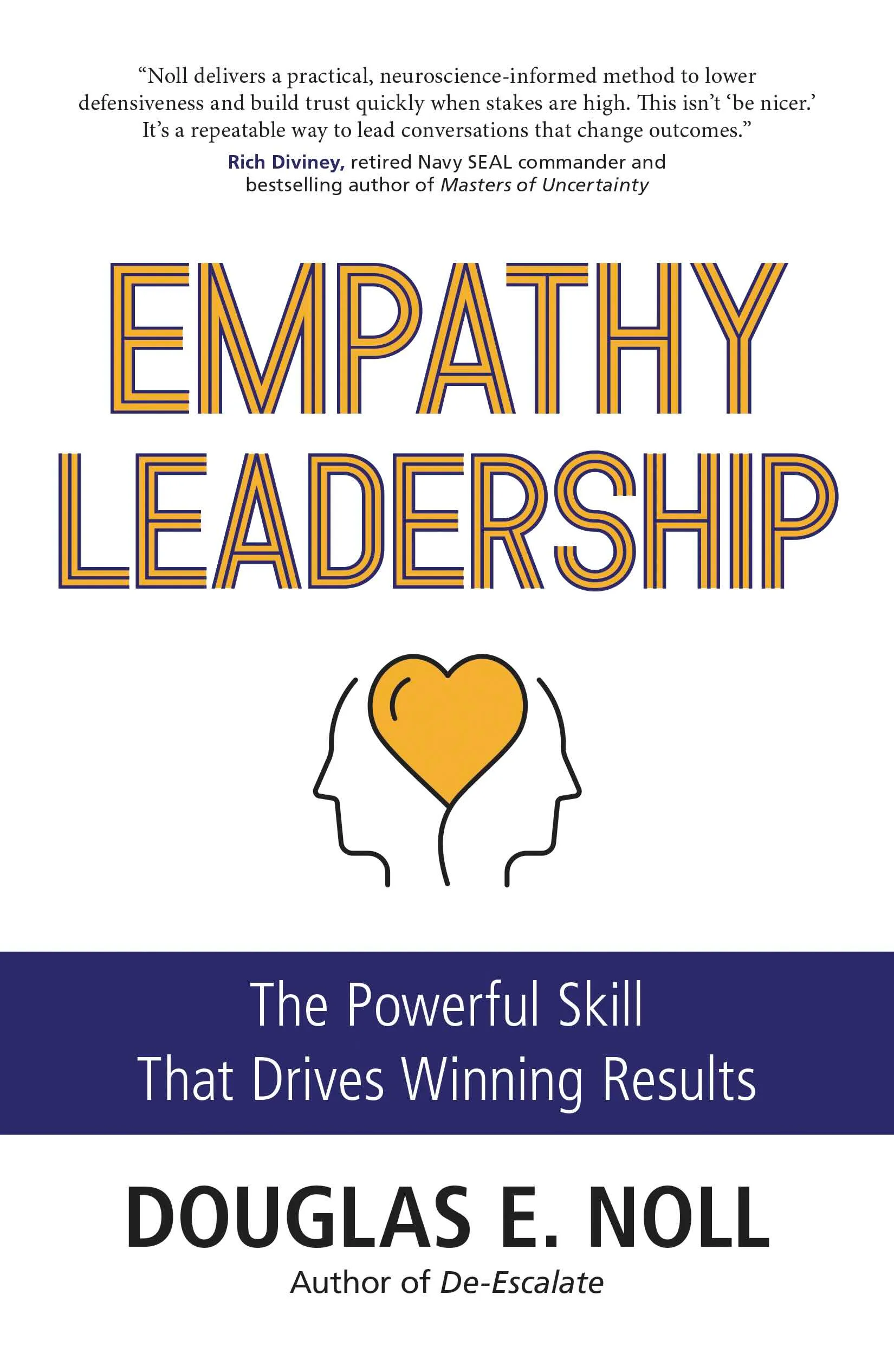
Doug Noll's new book Empathy Leadership: The Powerful Skill That Drives Winning Results lays out the protocol founders use to make a leadership team safe enough to tell the truth. Pre-order it on Amazon.
What had actually broken
The competitor did not take the market share. His leadership team stopped raising alarms about it in time.
The resignations were not about compensation. Three people had spent eighteen months feeling smaller in every meeting with him.
The pipeline had holes because his sales VP had learned to smooth the forecast instead of showing the real number.
None of that was in the deck. All of it was in the folder.
He rebuilt the leadership rhythm over the following quarter. No new dashboard, no new coach. Small specific changes. He stopped rewriting his COO's memos. He stopped finishing his CFO's sentences. He started ending every hard conversation with the same question, "What did I miss?" and then sitting in the silence until somebody answered it.
The board came back the next quarter to find the numbers moving again. Two of the three resignations reopened. His CFO stayed. Share loss flattened, then reversed.
He told the story later. The hard part was not changing the behavior. It was giving up the identity that produced the behavior. He had spent twenty years being the smartest person in the room and had never noticed that being the smartest person in the room, in front of the people who worked for him, was the tax he paid for his own blind spots.
The trade every founder eventually makes
You can be right or you can be told the truth. Most weeks, in most rooms, you do not get both.
The Fixer Trap is one version of this pattern. Emotional safety at work is what replaces it.
The founders who get past the ceiling most companies hit at this stage are not the ones with the sharpest reasoning. They are the ones who made being right less expensive than being informed.
If your leadership team has gone quiet and you want to know what they are not telling you, book a no-obligation Zoom call with Doug Noll.
Emotional Competence Shapes Your Influence as a Leader
This 90-second emotional competence quiz will tell you how your emotions affect the way you are treated at work and how to gain the respect and influence you deserve as a leader.
Take the Free Assessment
Doug’s Books
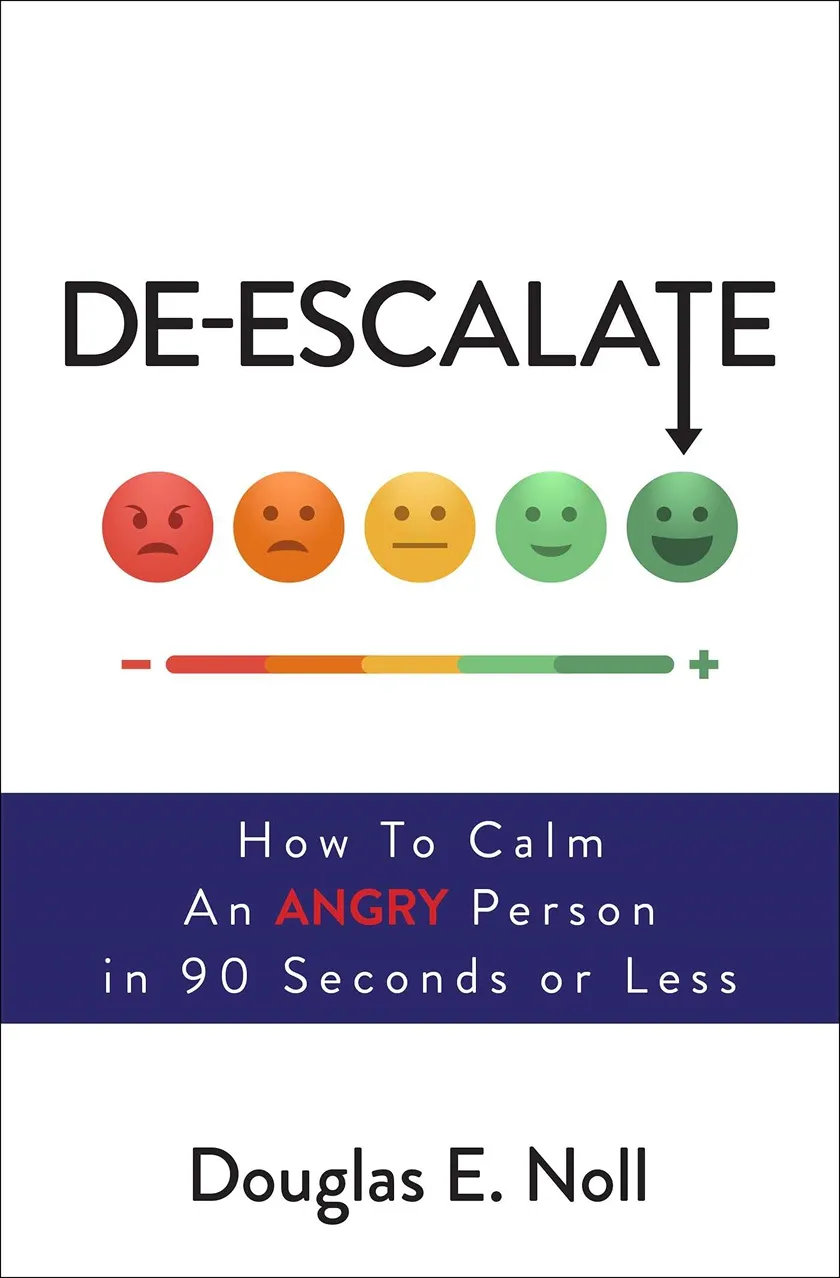
Doug has authored several books on affect labeling and emotional competency, including De-Escalate: How to Calm an Angry Person in 90 Seconds or Less, which won multiple awards and has been adopted by organizations worldwide.
More Blogs
View All

October 23, 2026
6 Powerful Reasons De-Escalation Training for Employees Doesn't Scale (and the Fix)
Read Blog

October 23, 2026
How Executive Dispute Mediation Actually Resolves a Board-Level Rupture
Read Blog

October 22, 2026
4 Critical Failures of Most Corporate Mediation (and the Approach That Works)
Read Blog