How to Measure Behavior Change Without Waiting Six Months
%201.avif)

A CHRO at a healthcare services company asked it directly in a scoping call. "Our engagement survey runs once a year. If I commit budget to this now, how do I know it's working before that survey tells me, six months from now, that it either did or didn't?"
It is a legitimate operating concern. A leader who has been burned before by a program that looked fine on paper for six months and then produced a flat survey result has every right to ask for an earlier signal.
Where the question comes from
Annual engagement surveys are lagging indicators by design. They capture an accumulated sentiment built over months, which means by the time a bad result shows up, the underlying behavior that caused it has often been running unchecked for most of a year. Waiting for that number to validate a program means potentially discovering a failure a year later than it actually started.
The CHRO had lived through exactly that sequence once before, with a different vendor. A program looked promising through two survey cycles, and by the third, attrition on the affected teams had already outpaced anything the survey had flagged in time to act on. She did not want to repeat that timeline.
How much is one unresolved conflict really costing your company?
The honest answer
The honest answer is that an annual survey is the wrong instrument for measuring this kind of change, regardless of which program is being run, because it measures aggregate sentiment rather than a specific behavior. The faster signal is direct observation of the behavior itself, inside real meetings, on a short cycle.
A manager who is genuinely installing the practice of naming what a room feels before responding to it produces observable, countable moments within weeks, not months. Someone can sit in on a real meeting and count how often a manager pauses before responding to a hard comment, or how often a direct report finishes a full sentence without being interrupted. Those counts can be taken every two weeks and tracked as a trend line long before an annual survey would ever register a shift.
A second, faster proxy is qualitative and even quicker to gather: asking a manager's direct reports, on a two-week cadence, one specific question. "Has your manager named what you were feeling in a hard conversation recently?" A yes-rate that climbs over eight weeks is a far earlier and more honest signal than a survey score that will not move until the annual cycle comes back around.
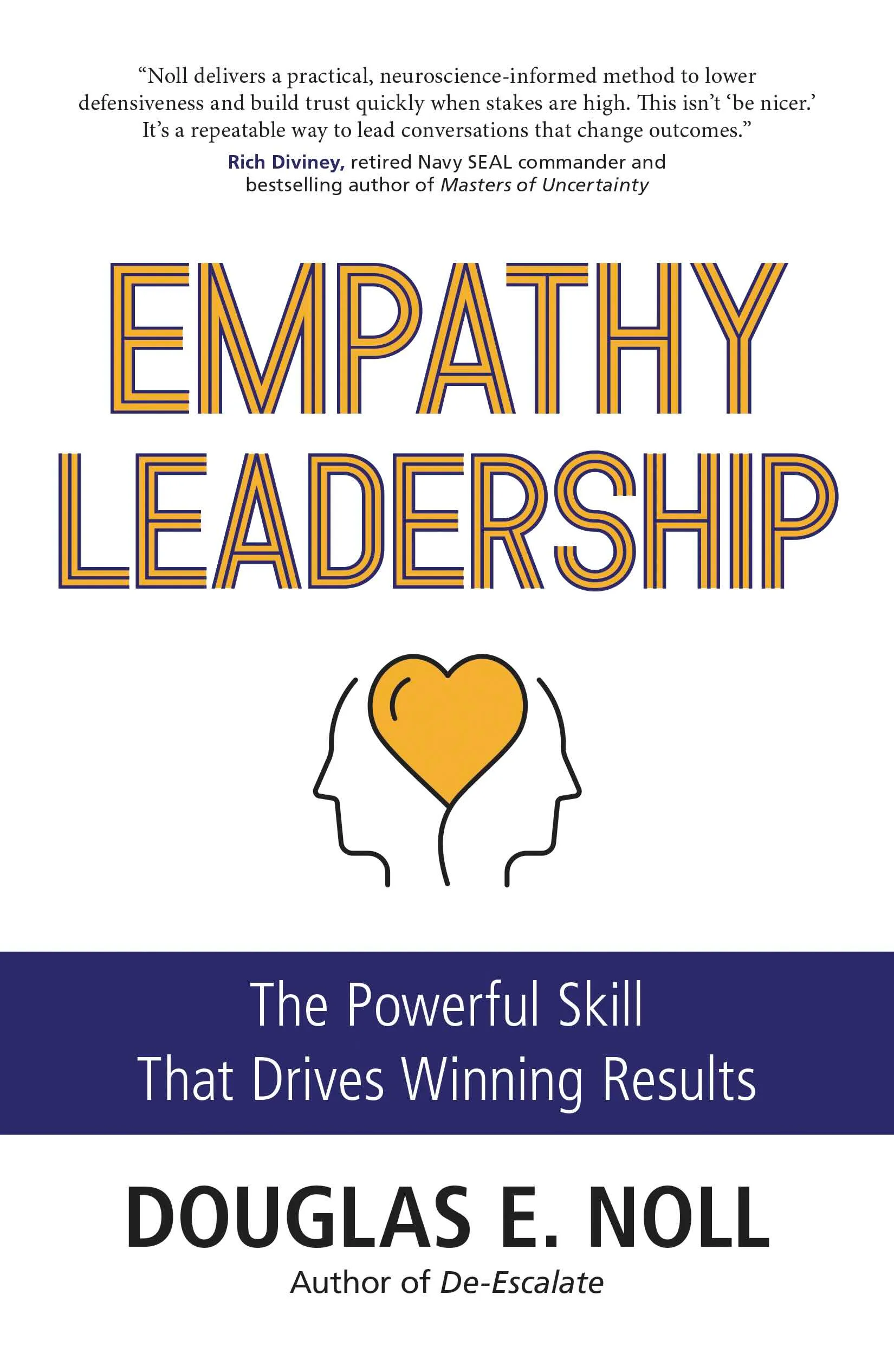
Doug Noll's new book Empathy Leadership: The Powerful Skill That Drives Winning Results lays out the specific behaviors worth counting long before an annual survey has anything to say about them. See it here.
What to say when someone still pushes back
If a skeptical board member argues that only the annual survey counts as a real result, the direct answer is that the survey and the behavior count are measuring two different things at two different speeds, and waiting exclusively for the slow one means finding out a year late whether the fast one ever moved. "We will have a behavior trend line in eight weeks. If it is flat, we stop. We do not need to wait for the annual survey to tell us what we can already see happening in the room."
That framing usually satisfies the concern, because it does not ask anyone to abandon the annual survey. It simply adds an earlier tripwire that catches a failing program months before the slower instrument would.
Emotional Competence Shapes Your Influence as a Leader
This 90-second emotional competence quiz will tell you how your emotions affect the way you are treated at work and how to gain the respect and influence you deserve as a leader.
Take the Free Assessment
Doug’s Books
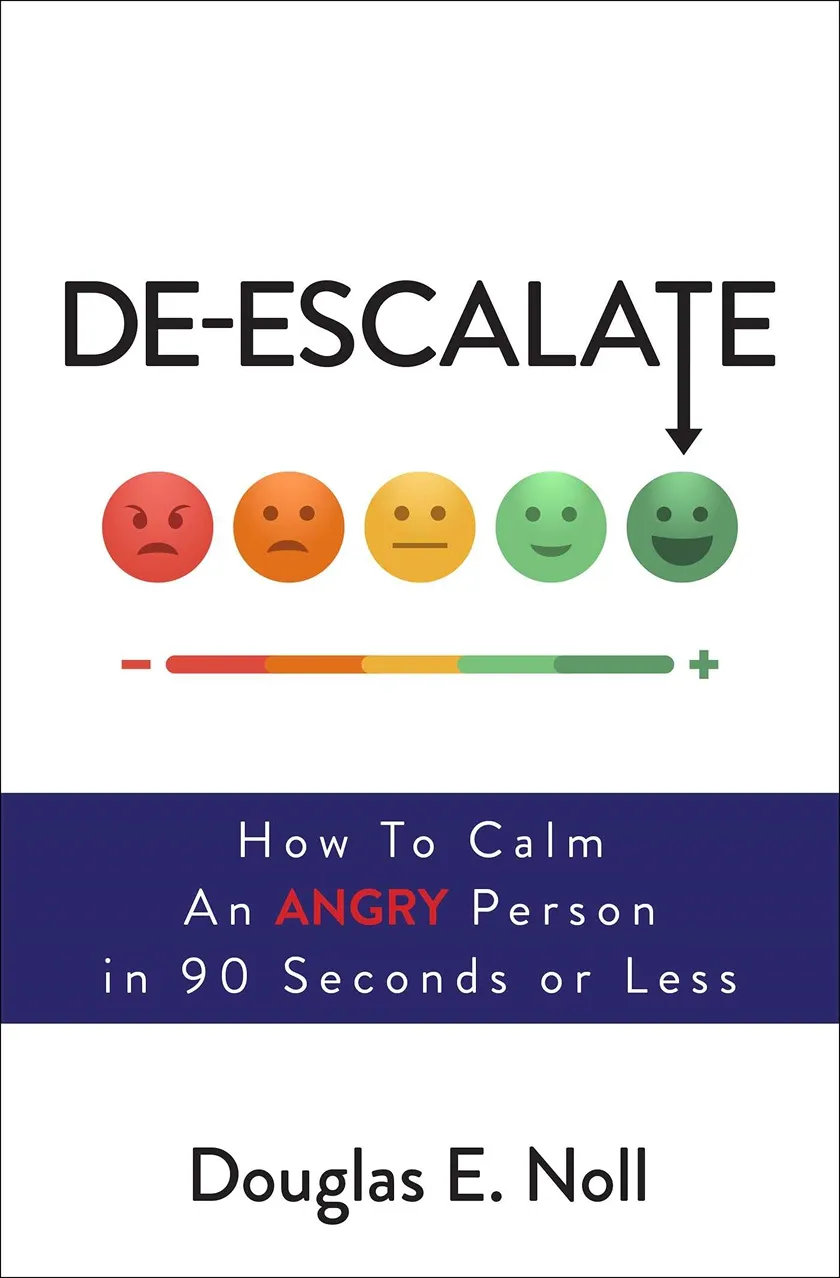
Doug has authored several books on affect labeling and emotional competency, including De-Escalate: How to Calm an Angry Person in 90 Seconds or Less, which won multiple awards and has been adopted by organizations worldwide.



More Blogs
View All

October 22, 2026
What Leading With Empathy Looks Like in a Hard Quarter: 5 Executive Examples
Read Blog
October 21, 2026
The 6 Essential Elements of Empathy Training for Managers That Actually Sticks
Read Blog

October 21, 2026
5 Hidden Reasons Empathy Training in the Workplace Fades by Month Three
Read Blog