The Reference the Founder Wrote for Someone He Wished Had Stayed
%201.avif)

Her new company had reached out for a reference. He said yes.
He sat down on a Sunday afternoon with a coffee and started to write. He got three paragraphs in and stopped.
The letter was describing a person who had rescued two of his largest customer accounts, rebuilt his engineering hiring process, and mentored four engineers who had all been promoted to leadership roles under her. He had written it truthfully in ten minutes.
He read it back to himself. Every word was accurate. He had never said any of it to her.
What he had said instead
In the four years she had worked for him, he had given her direct positive feedback approximately six times. He counted, because he was that kind of person.
He had given her direct corrective feedback probably ninety times. He remembered most of it. The time she missed a deadline in year one. The time her hiring bar drifted in year two. The time she had brought a proposal to the leadership meeting that had two logical errors he had walked her through in front of the room.
None of the corrections had been unfair. Each of them had been a legitimate observation. He had told himself the story that he was investing in her development.
The reference letter told him a different story. What he had actually been doing was training her nervous system to associate his approval with correction and to associate his silence with tacit satisfaction. That was not development. That was a specific relational pattern with a specific outcome. The outcome was that she had left, at the peak of what she had built, for a company that was going to pay her less to do the same work.
He knew why she had left. It was in the letter.
How much is one unresolved conflict really costing your company?
What he had never told her
He had never told her, in a specific and personal way, that she had saved two of the accounts that funded the company. He had thanked the team in an all-hands. He had not walked into her office on a Tuesday afternoon and said the sentence directly to her.
He had never told her that the reason the engineering org had scaled without breaking was the hiring process she had built in her first year. He had told the board. He had not told her.
He had never told her that her decision to spend six months coaching a struggling director rather than firing him had produced one of the strongest leaders in the company. That decision had been controversial at the time. He had questioned it in a meeting. She had turned out to be right. He had never returned to say so.
What he told her he told her indirectly. Through raises she received. Through equity grants. Through the size of her budget. All of which she had received as compensation for the work rather than as the specific communication about her that would have made her stay.
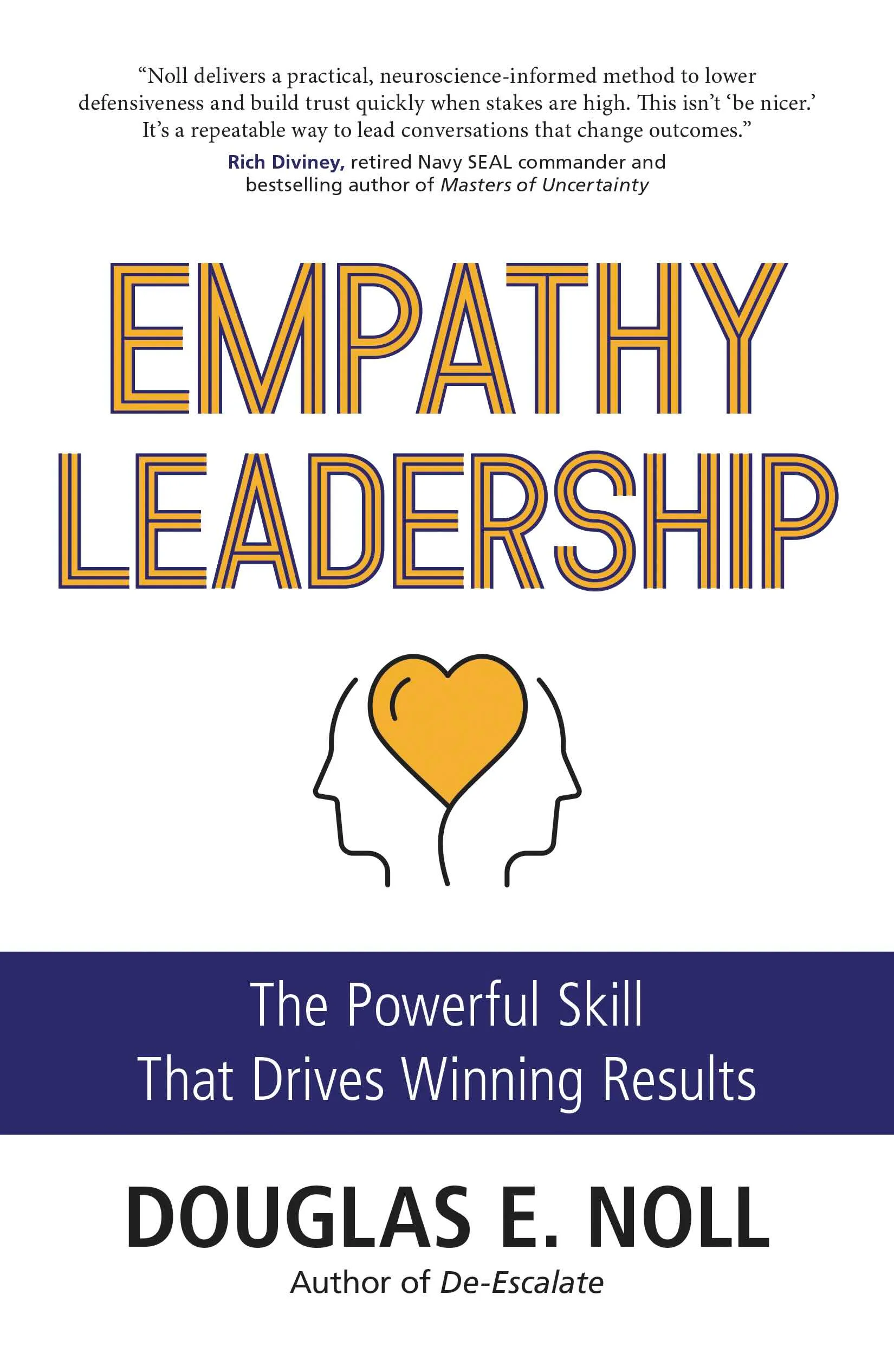
Doug Noll's new book Empathy Leadership: The Powerful Skill That Drives Winning Results lays out the specific communications leaders use to make senior people feel accurately seen. See it here.
What he did with the letter
He sent the reference. He also did something he had never done before.
He wrote her a second letter. Personal. Handwritten. It said, in five sentences, the things he had never told her. He did not ask for anything back. He mailed it.
She wrote him back the following week. She said one line that stayed with him. "I would have stayed if I had known you thought this. I did not know you thought this."
He carried the letter for a month. Then he did the work he should have started years earlier. He built a habit of naming, specifically and directly, what each of his executives was doing that he was grateful for. Not in the meeting where he was correcting them. In separate conversations. In writing. Sometimes with witnesses.
Two of his current executives who he suspected were on their way out did not leave that year. He would never know which specific conversation had moved which specific decision. He knew the pattern that had been costing him people. He stopped running it.
The move he built into every one of those conversations was small. He would name the emotion he suspected the executive was carrying about the work. "You have been quietly worried I do not see how hard the last quarter has been for your team." Usually he was right. Occasionally he was wrong. Both were useful.
Emotional Competence Shapes Your Influence as a Leader
This 90-second emotional competence quiz will tell you how your emotions affect the way you are treated at work and how to gain the respect and influence you deserve as a leader.
Take the Free Assessment
Doug’s Books
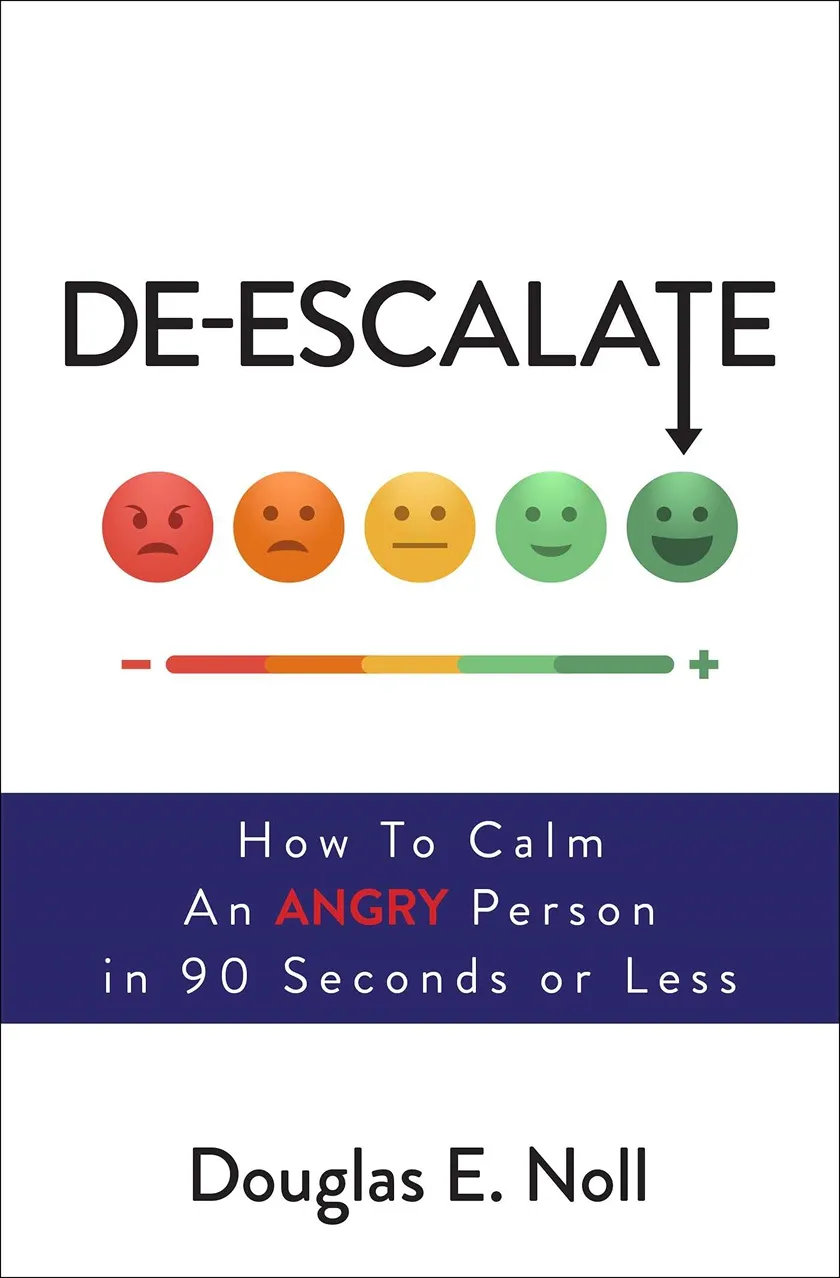
Doug has authored several books on affect labeling and emotional competency, including De-Escalate: How to Calm an Angry Person in 90 Seconds or Less, which won multiple awards and has been adopted by organizations worldwide.