Performance Reviews Give Bad News Without Tears
%201.avif)

A bad performance review handled poorly can cost more than a bad quarter.
One defensive review can trigger disengagement, HR escalation, resignation, or months of reduced productivity.
If a $120,000 employee drops performance by 20 percent for 6 months after a humiliating review, that is $12,000 in lost output.
If they resign and replacement cost reaches 150 percent of salary, the cost becomes $180,000.
If the emotional fallout spreads across a 10 person team, the damage multiplies.
Bad news is not the problem.
Threat is the problem.
The diagnosis
You believe performance reviews are about feedback.
They are not.
They are threat events.
The moment an employee hears negative evaluation, the amygdala activates.
Cortisol rises.
The prefrontal cortex, responsible for learning, judgment, and behavior change, loses efficiency.
Now the employee is not absorbing feedback.
They are protecting identity.
That is why they cry, shut down, argue, overexplain, or go silent.
You think they are being emotional.
Their nervous system is responding to threat.
If you deliver bad news without regulation, the review becomes a wound instead of a correction.
The five review mistakes that create emotional collapse
1. The surprise review
You save feedback for the formal review.
The employee hears it all at once.
Surprise intensifies threat.
The brain experiences the review as ambush.
Ambushed people defend.
They do not learn.
2. The evidence dump
You list examples, dates, missed targets, and complaints.
You believe proof creates clarity.
It often creates overwhelm.
Too much negative information under stress floods the nervous system.
Cortisol rises.
Learning shuts down.
3. The character attack
You say:
“You need to be more proactive.”
“You lack ownership.”
“You are not showing leadership.”
These phrases sound professional.
They land as identity threats.
Behavior can be corrected.
Identity gets defended.
4. The fake softness
You wrap bad news in excessive praise.
The employee senses the setup.
The amygdala detects incongruence.
Trust drops before the real feedback arrives.
Overly polished delivery creates suspicion.
5. The rushed solution
You move too quickly into improvement plans.
The employee is still activated.
The nervous system cannot process next steps until the emotional threat drops.
Solutions delivered too early feel like punishment.
The neuroscience of bad news
Negative evaluation activates social threat circuitry.
The amygdala reads criticism as risk to status, belonging, and future security.
When activated:
- Cortisol increases.
- Listening decreases.
- Memory narrows.
- Defensiveness increases.
- Learning capacity drops.
The prefrontal cortex cannot integrate complex feedback while the brain is protecting identity.
This is why bad performance reviews fail.
The manager gives information.
The employee experiences danger.
No learning occurs.
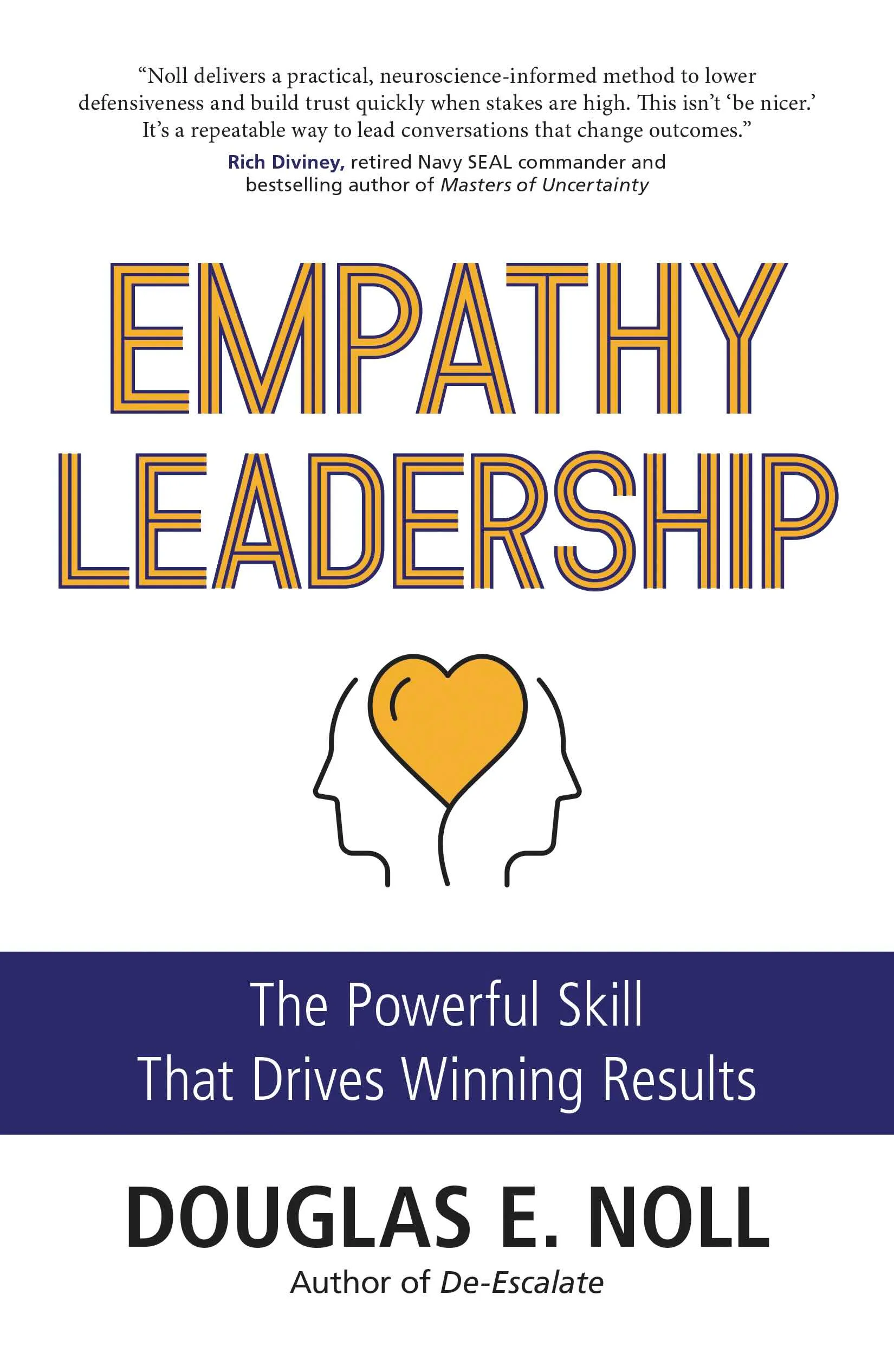
This is the neuroscience at the heart of Doug Noll's new book, Empathy Leadership: The Powerful Skill That Drives Winning Results.
The counterintuitive protocol
Do not start with the feedback.
Start with regulation.
Before delivering the bad news, name the emotional reality.
Say:
“This may feel disappointing.”
Pause.
Or:
“This may feel difficult to hear.”
Pause.
Or:
“You may feel frustrated by this feedback.”
Pause.
Then deliver one clear performance issue.
Not five.
One.
Say:
“The main issue is missed deadlines on client work.”
Pause.
Then label the likely emotion again.
“You are probably feeling surprised or disappointed.”
Pause.
Short, declarative statements.
No overexplaining.
No emotional cushioning.
No attack on identity.
Once the nervous system settles, move to accountability.
Say:
“The expectation is that client deadlines are met without repeated reminders.”
Then ask:
“What do you think is getting in the way?”
Now the prefrontal cortex can engage.
Now the employee can think.
The review sequence
Use this order.
1. Name the emotional impact
“This may feel disappointing.”
2. State the performance issue
“The issue is missed deadlines on client work.”
3. Separate behavior from identity
“This is about the pattern, not your value as a person.”
4. State the standard
“The standard is on time delivery without repeated follow up.”
5. Ask for ownership
“What do you think needs to change?”
6. Set the next step
“We will review progress in 30 days.”
This is not softness.
This is clean accountability.
You reduce threat so the employee can hear the standard.
If emotionally regulated reviews prevent just one avoidable resignation costing $180,000 and restore 10 percent productivity across a $2 million team payroll, the value exceeds $380,000.
Bad news does not have to create tears.
Tears appear when identity threat overwhelms regulation.
Name the emotion.
State the standard.
Hold the line.
Emotional Competence Shapes Your Influence as a Leader
This 90-second emotional competence quiz will tell you how your emotions affect the way you are treated at work and how to gain the respect and influence you deserve as a leader.
Take the Free Assessment
Doug’s Books
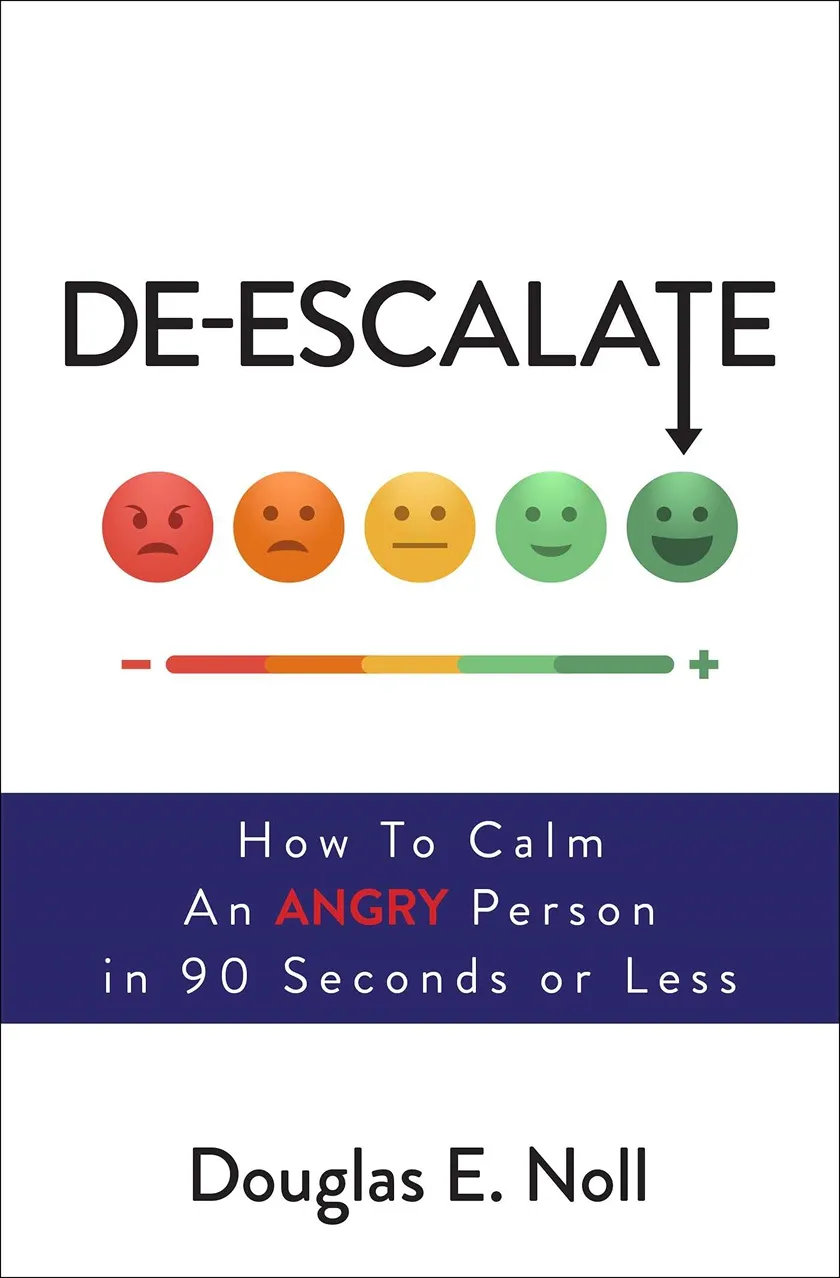
Doug has authored several books on affect labeling and emotional competency, including De-Escalate: How to Calm an Angry Person in 90 Seconds or Less, which won multiple awards and has been adopted by organizations worldwide.



More Blogs
View All