She Was the Best CEO They Ever Had. Until the Board Meeting.
%201.avif)

The quarterly was clean.
Revenue up eleven percent. Gross margin held. Two of the three strategic initiatives ahead of schedule. She had run the deck three times with her CFO and once alone in her kitchen at six in the morning.
Forty minutes in, an independent director asked about churn in the mid-market segment.
She answered with data. Cohort curves, a breakdown by contract size, the retention initiative already in flight, the leading indicators from the last six weeks. It was a complete answer. It was also correct.
The director asked again, slightly differently.
She answered again, with more data.
He nodded and moved on. The meeting finished on time. Two weeks later the chair called and asked, carefully, whether she had considered bringing in an operating advisor for the mid-market segment.
She had not lost the numbers. She had lost the room.
What he was actually asking
The director did not want a better answer. He had read the deck. He knew the cohort curves.
He wanted to know whether the churn worried her.
That is a different question, and it is the one boards ask most often without saying it out loud. They are not testing whether the CEO has the information. They are testing whether the CEO's read of the situation matches theirs. When a director asks the same question twice, they are almost never asking for more data. They are asking to be met.
She met him with rigor. He wanted to be met with recognition.
The gap between those two things is where board confidence gets won and lost. Board governance runs on confidence far more than on information, because directors cannot verify most of what they are told. What they can read is whether the person telling them seems to see what they see.
The four-word version of what she should have said
"That number worries me too."
Then the data.
Not instead of the data. Before it. The sequence is the whole thing.
When she leads with the data, the director's unspoken concern stays unaddressed and grows. When she leads with recognition, the concern is discharged and the data lands as reassurance instead of deflection.
This is affect labeling applied to governance. You name the state in the room before you address the content. It takes four seconds. It changes what the following four minutes are worth.
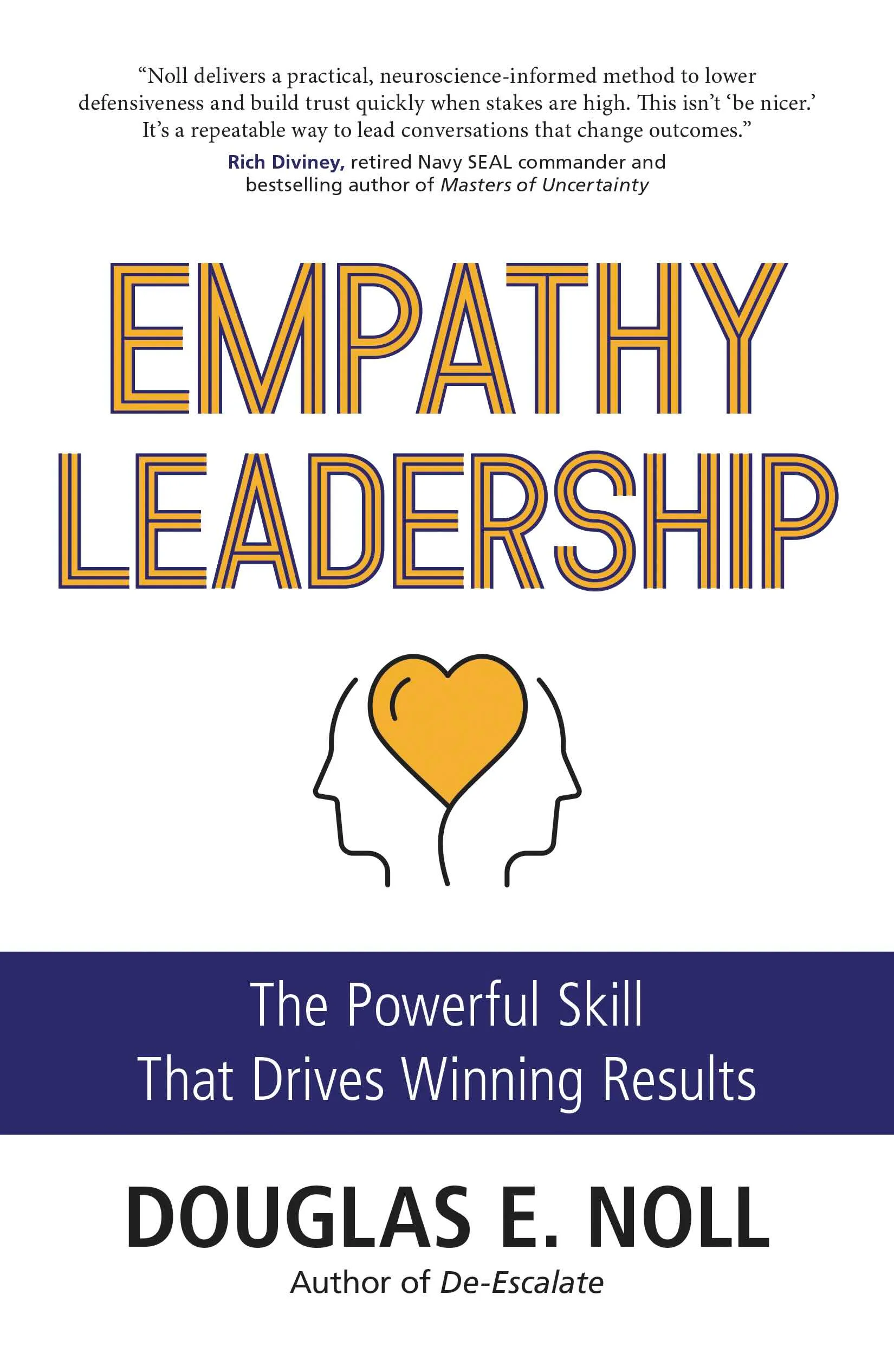
The full protocol for reading and regulating a room before you present into it is in Doug Noll's new book Empathy Leadership: The Powerful Skill That Drives Winning Results. Pre-order it on Amazon.
Why strong CEOs get this wrong more often than weak ones
The instinct to answer with rigor is not laziness. It is competence misfiring.
A CEO who has spent a career being the most prepared person in the room has learned that the answer to pressure is depth. More analysis, more granularity, more proof. That reflex works in operating reviews, in diligence, in almost every internal setting.
In a boardroom it can read as defensiveness, because a board is not primarily an analytical body. It is a group of people deciding, meeting by meeting, whether they trust the person running the company. Depth without acknowledgment reads as a CEO who is managing the board rather than thinking with it.
The strongest CEOs learn to do both, in order. Acknowledge, then substantiate.
The repair
She called the director directly. Not the chair. The director who had asked twice.
She said, "You asked me about mid-market churn twice and I gave you analysis both times. I think what you were asking is whether I am worried about it. I am. Here is what specifically worries me, and here is what I do not yet know."
He talked for twenty minutes. Most of it was context she did not have about a pattern he had seen at two other companies.
At the next board meeting she opened the churn section by naming her own concern first. The conversation that followed was the most useful hour she had spent with that board in two years.
The operating advisor conversation quietly went away.
The habit worth building
Before any board meeting, write down the two questions you least want to be asked.
Then open the relevant section by asking them yourself, out loud, and naming your own read of them.
You lose nothing. Directors already know what the hard questions are. What you gain is the room's belief that you see the same risks they do, which is the entire currency of the relationship.
For related reads, see Vulnerable Leadership Without Weakness and Executive Apologies.
A board does not need you to have every answer. It needs to believe you are looking at the same picture they are.
If you have a board meeting coming up and want to think through how you will be read rather than what you will say, book a no-obligation Zoom call with Doug Noll.
Emotional Competence Shapes Your Influence as a Leader
This 90-second emotional competence quiz will tell you how your emotions affect the way you are treated at work and how to gain the respect and influence you deserve as a leader.
Take the Free Assessment
Doug’s Books
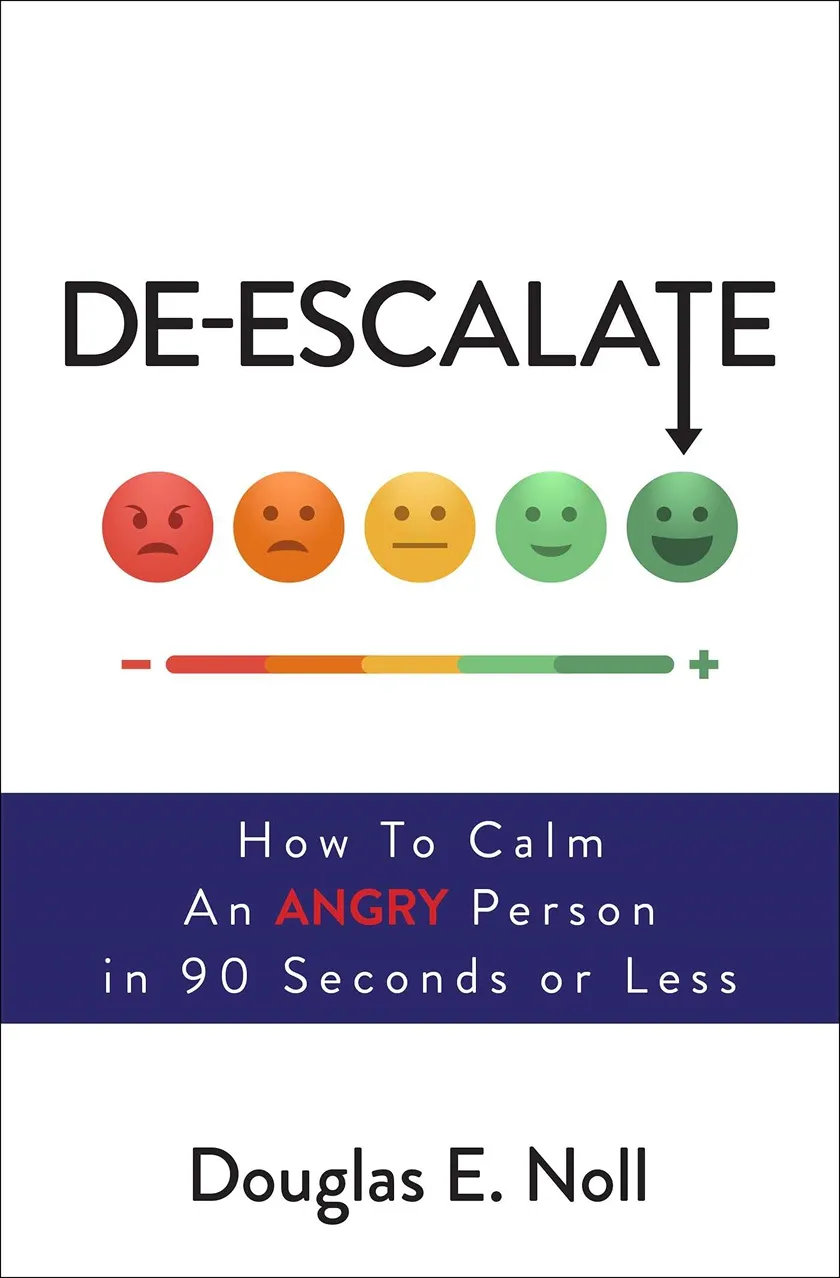
Doug has authored several books on affect labeling and emotional competency, including De-Escalate: How to Calm an Angry Person in 90 Seconds or Less, which won multiple awards and has been adopted by organizations worldwide.



More Blogs
View All

October 23, 2026
6 Powerful Reasons De-Escalation Training for Employees Doesn't Scale (and the Fix)
Read Blog

October 23, 2026
How Executive Dispute Mediation Actually Resolves a Board-Level Rupture
Read Blog

October 22, 2026
4 Critical Failures of Most Corporate Mediation (and the Approach That Works)
Read Blog