The Operating Partner Who Didn't Fix a Single Metric. And Tripled Returns.
%201.avif)

She never rebuilt a dashboard.
Eighteen months as the operating partner on a business services company doing $60 million of revenue with a leadership team of seven. The fund had bought it at 8.5x and had a plan to exit at 10x by expanding margin.
It exited at 14.2x.
The post-deal review asked her to write up what she had done so it could be systematised. Her document was four pages and the fund's investment committee found it unsatisfying, because most of what was in it did not look like work.
What she actually changed
One thing, at first. She changed how the Monday leadership meeting ended.
Previously it ended when the agenda was finished. She added ten minutes at the end with a fixed structure. Each person answered two questions in turn, no discussion permitted until everyone had answered.
"What did you not say in this meeting?"
"What is the thing you are most worried about that is not on this agenda?"
The first four weeks produced almost nothing. People said "nothing" and looked at the CEO. She had expected that and had told the CEO to expect it.
In week five the head of delivery said that she thought the new pricing model was going to cause a problem with three of their largest accounts, that she had thought so for two months, and that she had not raised it because the pricing model had been the CEO's initiative.
That was the moment the eighteen months turned.
Why the second question matters more than the first
The first question is confrontational in a way that people can dodge. "What did you not say" implies concealment and invites a defensive nothing.
The second question is easier to answer honestly because worry is not an accusation. It also reliably surfaces the same information, because the thing you did not say and the thing you are most worried about are usually the same thing.
She says she got the ordering wrong for the first two months and only worked it out by watching people's faces.
What the pricing information was worth
The three accounts represented $9.4 million of revenue. Two of them were up for renewal within seven months.
The pricing model was adjusted for that segment in six weeks. All three renewed. On the fund's own analysis, had the problem surfaced at renewal rather than five months before it, the likely outcome was losing one and repricing the other two, which would have taken roughly $6 million of revenue and considerably more of the growth story out of the exit.
That single piece of information, moved five months earlier than it otherwise would have been, is most of the difference between a 10x and a 14x.
The rest of the four pages
She made the CEO lose an argument in public in month two. Deliberately. She waited for a real disagreement where he was on the weaker side and made sure it resolved in the room rather than offline. She describes this as the single highest-leverage forty minutes of the engagement.
She banned "makes sense" as a response to a proposal. People had to say what specifically made sense or what they were unsure about. It sounds petty and it removed the primary mechanism by which the team had been agreeing without agreeing.
She had one-on-ones with each of the seven, monthly, with one standing question. "What have you raised that went nowhere?" She kept the answers in a document and worked through it with the CEO quarterly.
She did nothing about the KPI dashboard, the strategy, the org design, or the reporting cadence. All of these were adequate. Her view is that in most underperforming portfolio companies they are adequate, and that the fund's instinct to rebuild them is a way of doing visible work on the wrong variable.
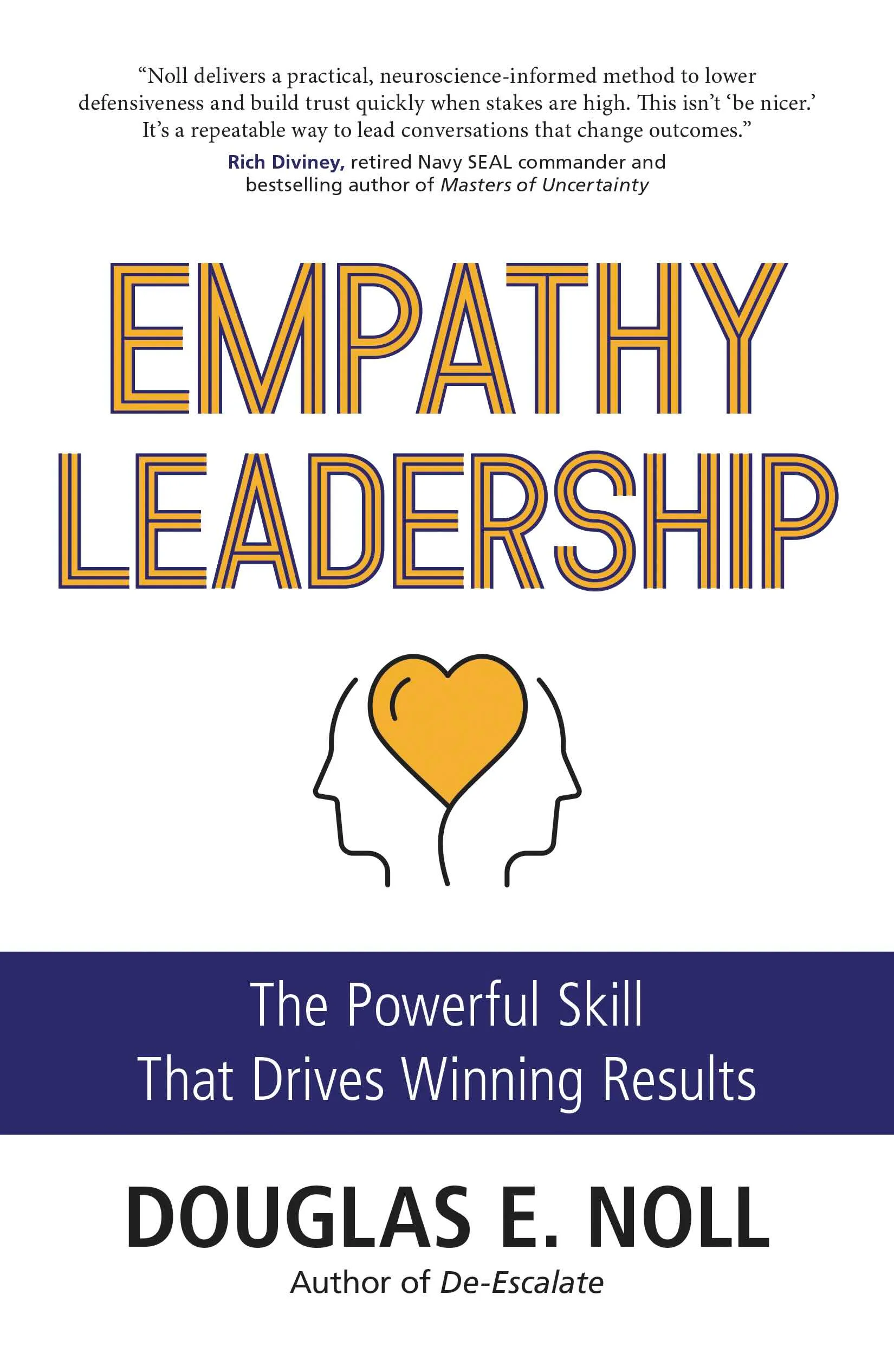
Doug Noll's new book Empathy Leadership: The Powerful Skill That Drives Winning Results covers the specific mechanics of making a leadership team safe enough to be useful. Pre-order it on Beyond Words.
Why the investment committee did not like the write-up
Because it is not transferable in the way they wanted.
The ten minutes at the end of a Monday meeting is a format. Formats can be rolled out. What made it work was that she held the silence when people said nothing, for four weeks, without filling it, and that she had enough standing with the CEO that he did not shut it down in week two.
That part is a capability rather than a process, and capabilities do not systematise into a playbook.
The fund has since rolled the format out across nine companies. It has worked in three of them.
In the three where it worked, the operating partner had done the same thing she did in month two, which was to establish empirically that disagreeing with the CEO was survivable. In the six where it did not, the format ran as a ritual and produced nothing.
The point
Psychological safety inside a leadership team is not a cultural nicety. It is the speed at which information reaches the person who can act on it, and in a leveraged structure with a fixed hold, information speed is close to being the whole game.
For related reads, see High-Status Empathy and Leadership Systems for People Problems.
If your portfolio company's numbers are fine and you suspect you are hearing about problems late, book a no-obligation Zoom call with Doug Noll.
Emotional Competence Shapes Your Influence as a Leader
This 90-second emotional competence quiz will tell you how your emotions affect the way you are treated at work and how to gain the respect and influence you deserve as a leader.
Take the Free Assessment
Doug’s Books
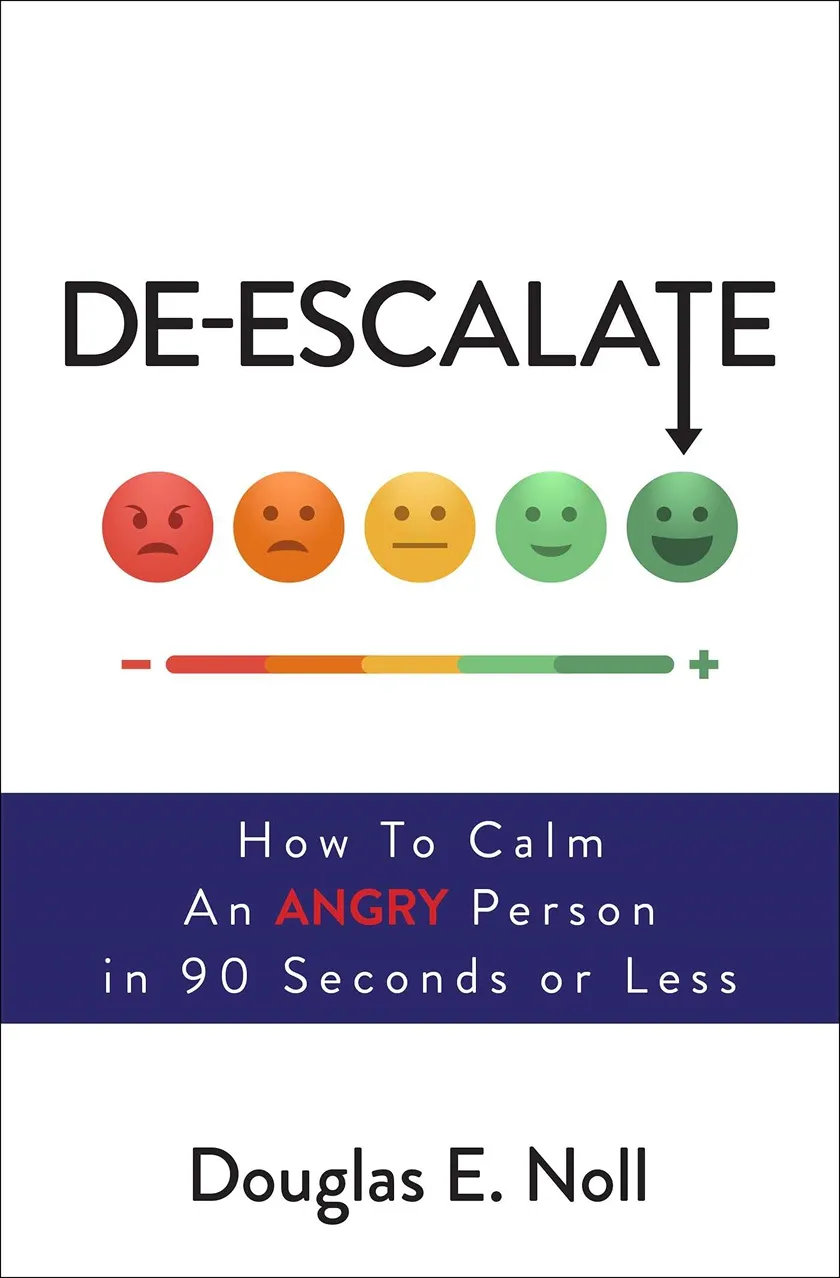
Doug has authored several books on affect labeling and emotional competency, including De-Escalate: How to Calm an Angry Person in 90 Seconds or Less, which won multiple awards and has been adopted by organizations worldwide.

More Blogs
View All

October 23, 2026
6 Powerful Reasons De-Escalation Training for Employees Doesn't Scale (and the Fix)
Read Blog

October 23, 2026
How Executive Dispute Mediation Actually Resolves a Board-Level Rupture
Read Blog

October 22, 2026
4 Critical Failures of Most Corporate Mediation (and the Approach That Works)
Read Blog