The Number Nobody Actually Controls
%201.avif)

The CFO had built the same attrition model three years running. Compensation percentile against market, tenure, performance rating. It was a reasonable model. It had missed badly every single year.
The people the model predicted would leave, the ones paid slightly under market, mostly stayed. The people who left were disproportionately in the top pay quartile, well-rated, and had no obvious reason to go anywhere else.
He raised it with the board as an open question rather than pretending the model worked. "I can predict a lot of things about this business. I cannot predict who resigns, and the variable I've been using clearly isn't it."
What the model had never included
A board member who had sat through this conversation at a previous company suggested he was measuring the wrong axis entirely. Compensation predicts whether someone can be recruited away easily. It does not predict whether someone wants to leave in the first place.
What predicts wanting to leave, in the research the board member pointed him toward, is something closer to psychological safety with a direct manager, specifically whether a person believes raising a hard truth to that manager will be received rather than punished. This variable does not show up in an HRIS. Nobody had ever asked engineering managers to self-report how often their direct reports pushed back on a decision, because it had never occurred to finance that the number would be predictive of anything.
The CFO ran an informal test. He asked five managers whose teams had unusually high attrition and five whose teams had unusually low attrition one question each, privately: "When was the last time a direct report disagreed with you and you changed your mind?" The low-attrition managers answered within seconds, with specifics. Three of the five high-attrition managers could not think of an example at all.
How much is one unresolved conflict really costing your company?
Why the real driver is so hard to model
Compensation is easy to model because it is a number that already exists in a system. Whether a direct report feels safe disagreeing with a manager is not a number anyone has been collecting, and it is uncomfortable to ask a manager to self-assess, because the honest answer implicates the manager directly.
What the informal test actually surfaced was a proxy for a specific nervous-system pattern. A manager whose reports experience repeated small threats when they disagree trains those reports' nervous systems, over time, to stop disagreeing. The amygdala does the training. Nobody sends a memo. The reports who stop disagreeing are the same reports who eventually stop believing the manager can change, and that belief is what precedes a resignation letter, regardless of what the pay band says.
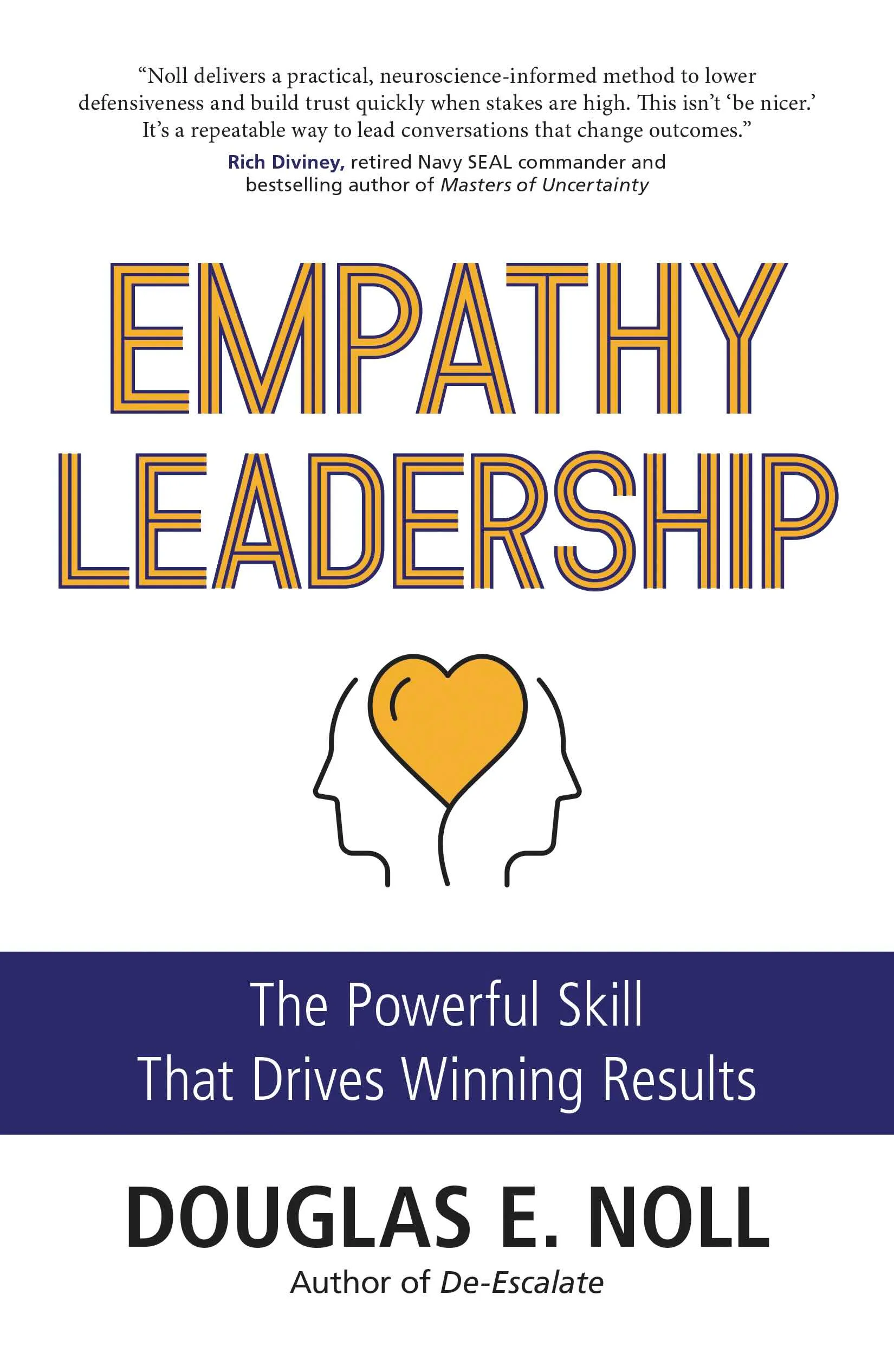
Doug Noll's new book Empathy Leadership: The Powerful Skill That Drives Winning Results lays out why the variable that predicts attrition is almost never the one finance is trained to track. See it here.
What the CFO does with the number now
He still runs the compensation model, because it is useful for other purposes. He no longer presents it to the board as an attrition forecast. Instead, he asks HR to run the disagreement question across all managers twice a year and correlates it against actual resignations.
Two years in, it is a stronger predictor than compensation ever was. It is also a harder number for a manager to hide behind, which is precisely why nobody had wanted to measure it in the first place.
Emotional Competence Shapes Your Influence as a Leader
This 90-second emotional competence quiz will tell you how your emotions affect the way you are treated at work and how to gain the respect and influence you deserve as a leader.
Take the Free Assessment
Doug’s Books
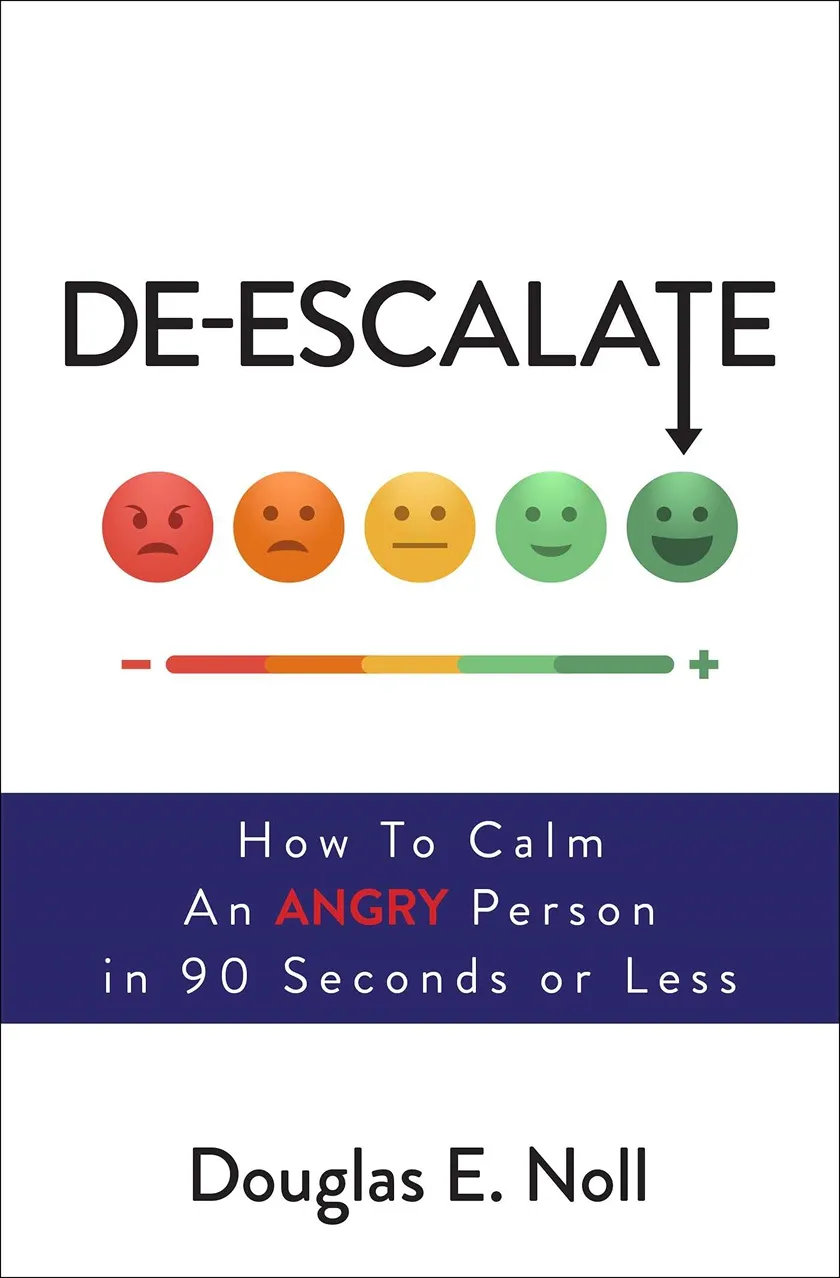
Doug has authored several books on affect labeling and emotional competency, including De-Escalate: How to Calm an Angry Person in 90 Seconds or Less, which won multiple awards and has been adopted by organizations worldwide.