The M&A That Almost Broke When the Founder Cried
%201.avif)

The deal was done.
Signed, funded, announced. A strategic acquirer had bought a twenty-six-year-old business for a number that made the founder and his two sisters comfortable for the rest of their lives.
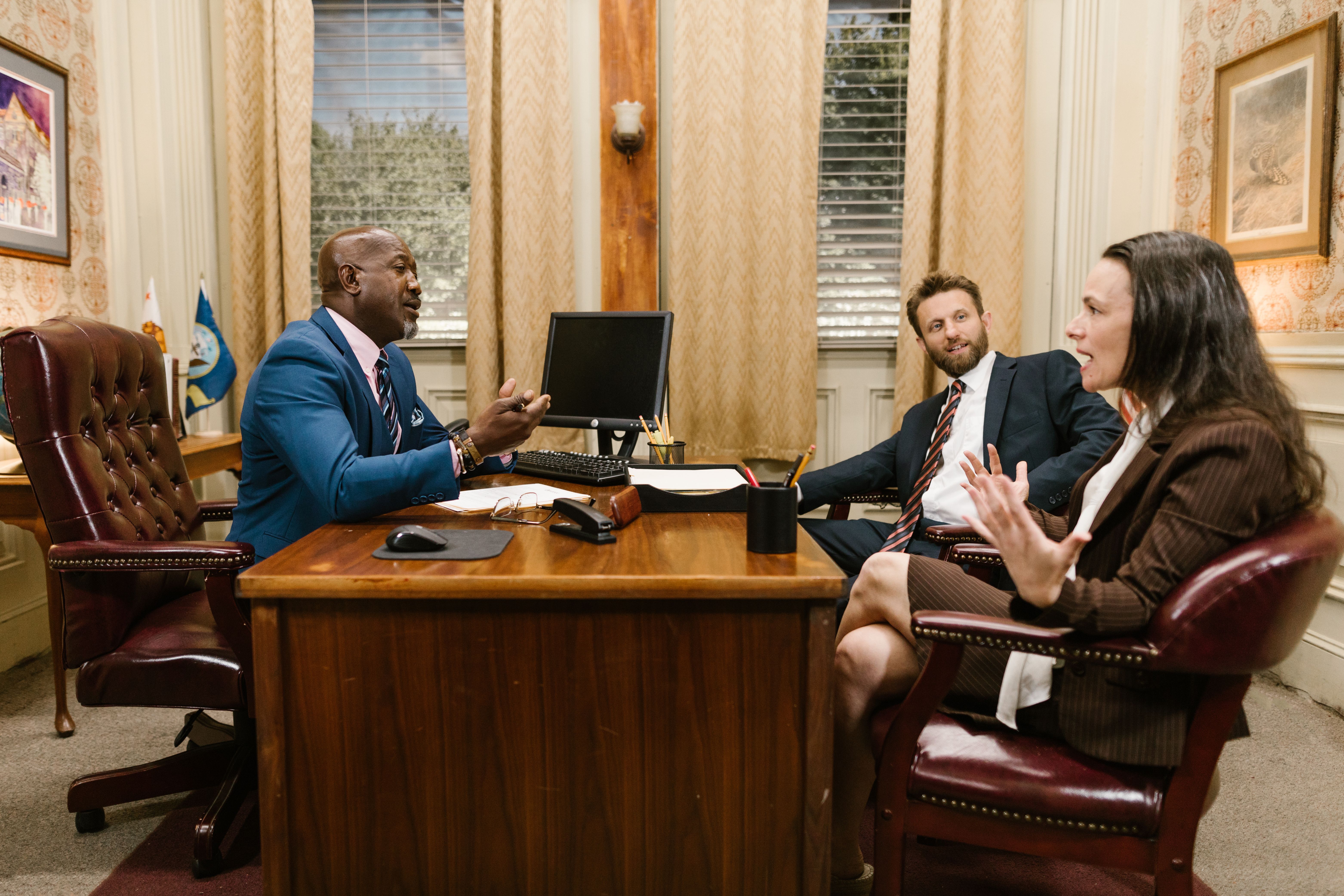
What remained was the earn-out mechanics meeting. Six people, three from each side, working through the definitions that would govern $14 million of contingent consideration over three years. It was scheduled for two hours and it was, by design, a technical conversation.
Forty minutes in, the acquirer's corporate development lead said something entirely ordinary about how the business would be reported inside the new structure.
The founder stopped talking mid-sentence, and then he cried for about eight minutes.
What the room did
Badly, at first.
The corporate development lead said, "I am sorry, did I say something?" The founder's own CFO said, "Give him a minute," in the tone people use for a medical event.
Someone suggested a break. Two people left the room. The acquirer's lawyer looked at her laptop with great concentration.
When they reconvened twenty minutes later, the founder apologised twice and the meeting completed on schedule.
That evening, the acquirer's deal lead called his own head of corporate development and raised, seriously, whether the founder should be in an operating role during the earn-out period.
What had actually happened
The sentence had been about reporting lines. The business would be consolidated into a division and reported as a product line rather than as an entity.
His father had started it in 1998 with a name that was the family name. It had been an entity with that name for twenty-six years. In the sentence he had just heard, it stopped being one.
He had known this. It was in the documents. He had signed them.
There is a well-documented gap between knowing something structurally and experiencing it, and the experience arrives at unpredictable moments attached to unremarkable triggers. This is not weakness or instability. It is what happens when an abstraction becomes concrete, and the timing is not under conscious control.
Why acquirers systematically misread it
Because the frame is transactional and the transaction is complete.
From the acquirer's side, the emotional content of a sale belongs to the period before signing. Once the money has moved, the remaining conversations are operational, and emotion arriving in an operational conversation reads as a signal about the person rather than about the situation.
The specific misread is that emotion equals instability equals risk to the earn-out period.
The evidence does not support that. In the acquirer's own portfolio, three of the four founders who had stayed through an earn-out successfully had had a visible emotional moment at some point in the transition, and the one who had not had left in month seven.
Nobody had ever aggregated that. It was four data points in a firm that aggregates hundreds of others.
What the corporate development lead should have said
Eleven seconds of work and it was available to him.
"That landed differently than I meant it. This has had your family's name on it for twenty-six years and I just described it as a product line. Let's stop for a moment."
Then stop. Not comfort. Not reassurance. Not a suggestion that they take a break, which removes the person from the room and signals that what is happening is not appropriate for the room.
Naming what happened, accurately, and continuing to be present is the entire intervention. It takes eleven seconds and it converts an incident into a moment.
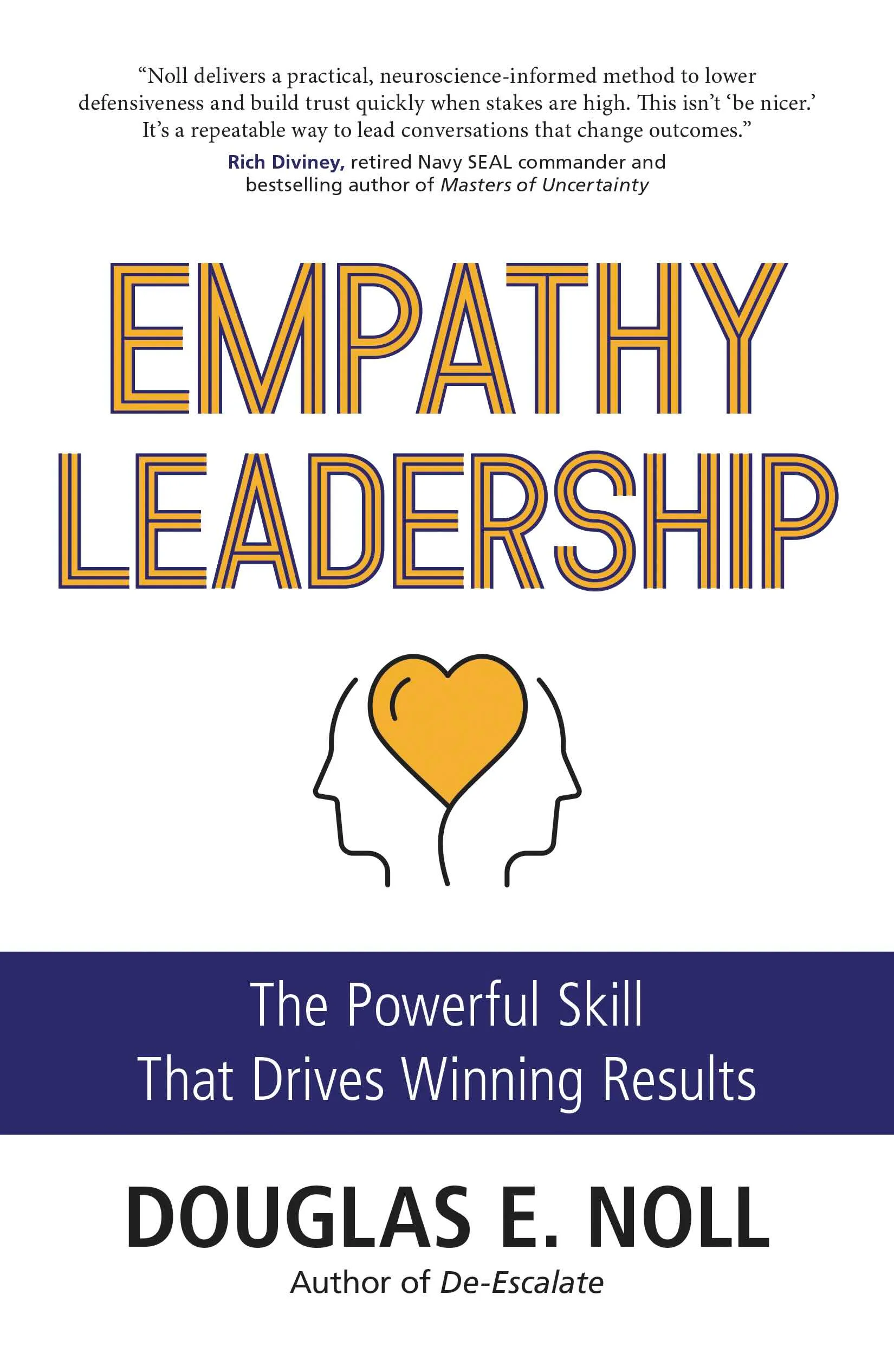
Doug Noll's new book Empathy Leadership: The Powerful Skill That Drives Winning Results covers what to do when emotion arrives in a room that was not built for it. Pre-order it on Books-A-Million.
The handoff nobody plans
Every acquisition of a founder-held business contains a transfer that is not in the purchase agreement.
The founder is handing over an object that has functioned, for decades, as a component of their identity. The buyer is receiving an asset. Both parties believe they are doing the same transaction.
The gap between those two understandings produces most of the friction in the first year post-close, and almost none of it appears in integration planning.
The cheapest available intervention is a single conversation before close, in which somebody from the buying side asks the founder one question: "What is going to be hardest about this that we would not think to ask about?"
Most founders have an answer. Almost none are asked.
What happened
He stayed. The earn-out paid out in full across three years. He is still an advisor to the division.
The corporate development lead has since built the question into his own process and has told two other founders that the meeting taught him more than any deal he has worked on.
For related reads, see Vulnerable Leadership Without Weakness and Empathetic Listening.
If you are buying or selling a founder-held business and want to plan the handoff that is not in the documents, book a no-obligation Zoom call with Doug Noll.
Emotional Competence Shapes Your Influence as a Leader
This 90-second emotional competence quiz will tell you how your emotions affect the way you are treated at work and how to gain the respect and influence you deserve as a leader.
Take the Free Assessment
Doug’s Books
Doug has authored several books on affect labeling and emotional competency, including De-Escalate: How to Calm an Angry Person in 90 Seconds or Less, which won multiple awards and has been adopted by organizations worldwide.