Leadership Vocabulary Beyond “Fine” and “Stressed”
%201.avif)

If your executive team runs 15 hours of meetings per week, and 30 percent of that time is spent clarifying misunderstandings, revisiting decisions, or repairing tone, you are wasting 4 to 5 hours weekly.
At $400 per hour fully loaded cost per leader, that is $1,600 to $2,000 per week.
Over a year, that crosses $80,000 per executive.
Most of that waste starts with two words.
“Fine.”
“Stressed.”
Vague language creates vague thinking.
Vague thinking creates friction.
This is a vocabulary problem.
The diagnosis
You believe your team communicates clearly.
You believe “fine” signals stability.
You believe “stressed” communicates urgency.
It communicates nothing specific.
When emotion is generalized, the amygdala remains alert.
The brain cannot regulate what it cannot define.
Cortisol stays elevated.
The prefrontal cortex, responsible for strategic reasoning and impulse control, loses efficiency.
Vague emotion keeps tension alive.
Specific emotion reduces it.
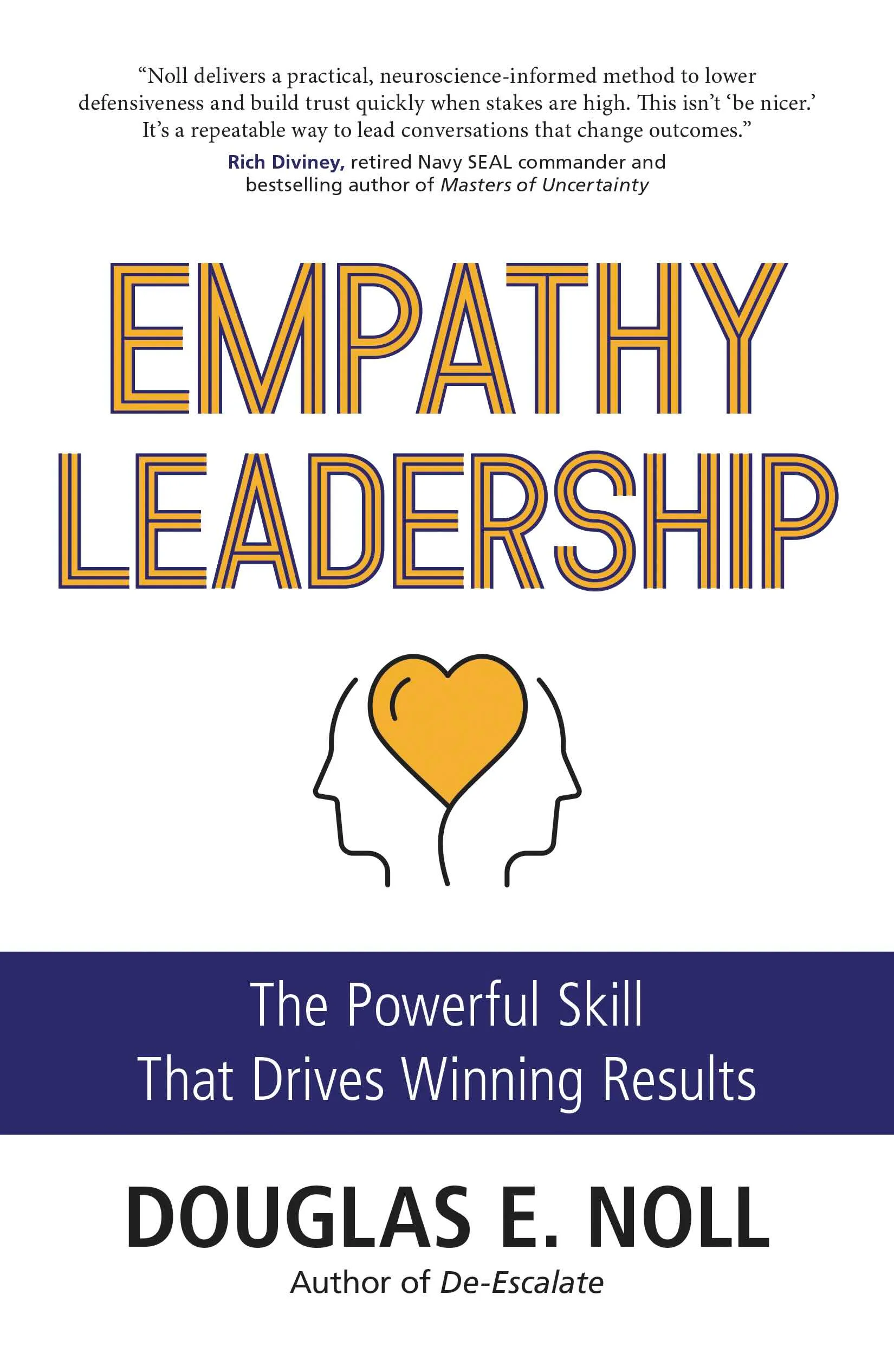
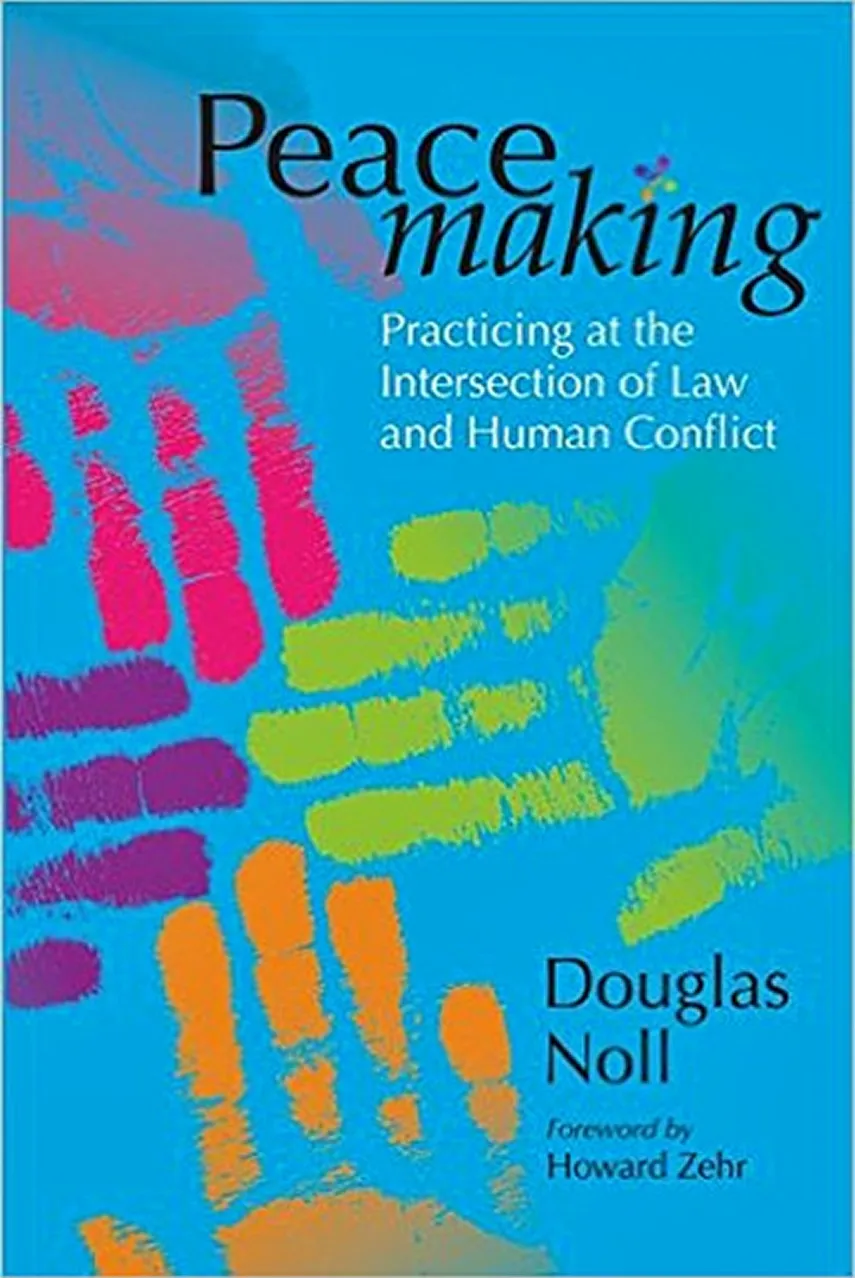
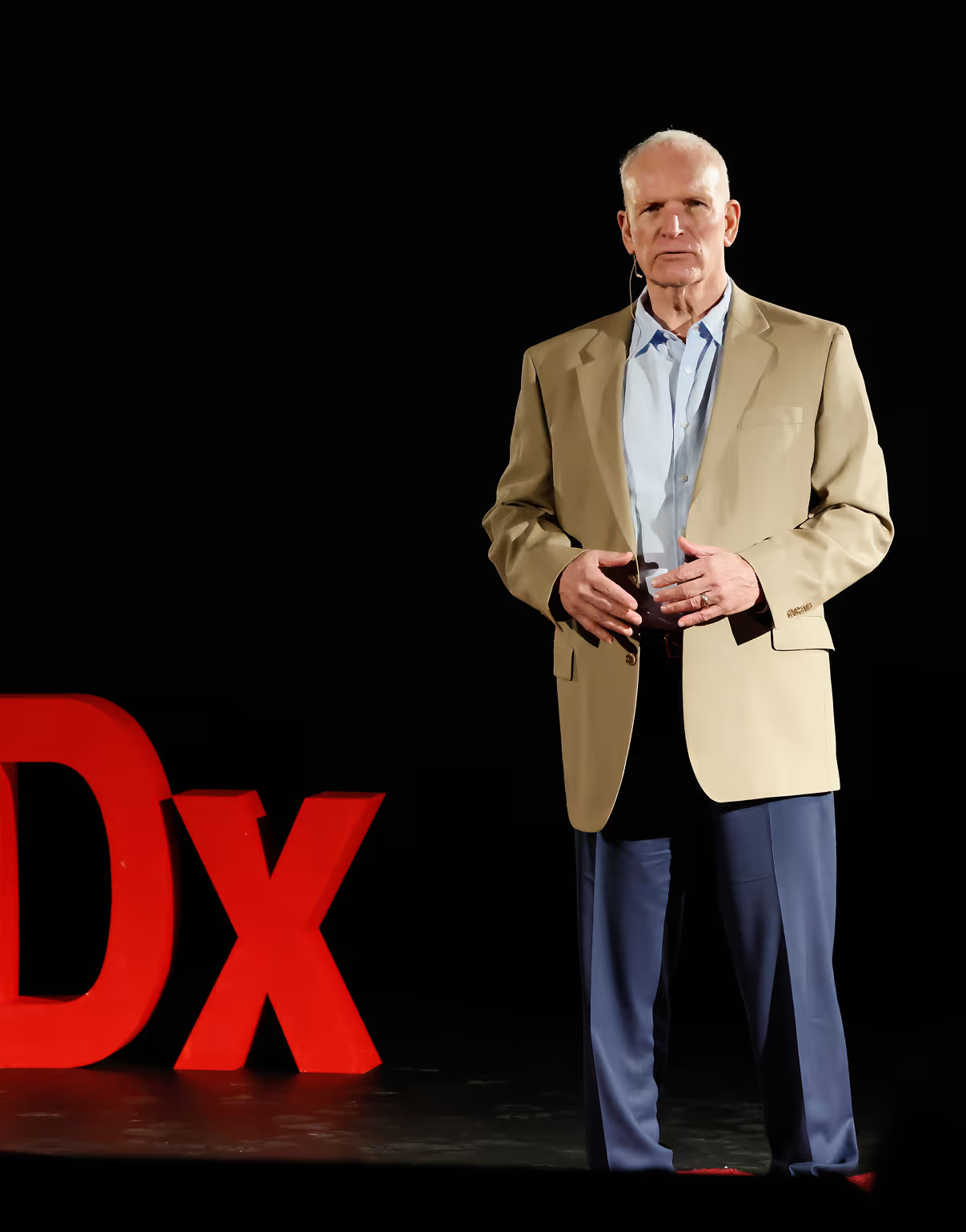
This is the neuroscience at the heart of Doug Noll's new book, Empathy Leadership: The Powerful Skill That Drives Winning Results.
The five hidden costs of weak emotional language
1. The masked resentment cost
“Fine” often means disappointed, frustrated, or overlooked.
When leaders accept “fine” at face value, resentment grows quietly.
Resentment reduces discretionary effort.
If a 20 person leadership team loses 10 percent discretionary effort at $180,000 average salary, that equals $360,000 in lost performance annually.
2. The stress overload misread
“Stressed” can mean overwhelmed, uncertain, pressured, or afraid.
Each requires a different response.
When leaders misdiagnose stress, solutions miss the mark.
Missed interventions extend burnout.
Burnout drives attrition.
Replacing one $200,000 leader can cost $300,000 to $400,000.
3. The conflict recycling loop
Vague emotion fuels circular arguments.
Without clarity, the amygdala stays activated.
Activated brains repeat positions.
Meetings extend.
Decisions stall.
Velocity drops.
4. The trust erosion effect
When leaders respond to vague emotion with logic, people feel unseen.
Feeling unseen activates social threat.
Threat reduces trust.
Reduced trust increases defensive communication.
Defensive communication creates more vagueness.
5. The decision fog
The prefrontal cortex depends on clarity.
Ambiguous emotion creates cognitive noise.
Noise reduces decisiveness.
Delayed decisions cost revenue.
If one strategic decision delays a $4 million initiative by 30 days, and projected monthly impact is $333,000, the fog is expensive.
The neuroscience of precision
The amygdala scans for threat continuously.
When emotion is unnamed or mislabeled, activation persists.
When emotion is labeled precisely, amygdala activity decreases.
Cortisol drops.
The prefrontal cortex regains control.
Precision in language creates precision in regulation.
Regulated brains collaborate.
Unregulated brains defend.
Leadership vocabulary is not cosmetic.
It is neurological leverage.
The counterintuitive protocol
Stop accepting “fine.”
Stop accepting “stressed.”
Ask for specificity.
If someone says “I’m fine,” say:
“You seem disappointed.”
Pause.
If someone says “I’m stressed,” say:
“You are overwhelmed.”
Pause.
Or:
“You feel pressured.”
Pause.
Short, declarative emotion labels.
No analysis.
No reassurance.
If the label is accurate, the nervous system stabilizes.
Now ask:
“What is creating that pressure?”
Or:
“What outcome are you worried about?”
Specific language reduces amygdala activation.
Reduced activation restores reasoning.
If precise emotional labeling shortens executive meetings by 10 percent and improves decision velocity by 5 percent across a $20 million division, the return is measurable.
Leadership is not just strategy.
It is vocabulary.
Beyond “fine” and “stressed” lies clarity.
Clarity restores control.
Emotional Competence Shapes Your Influence as a Leader
This 90-second emotional competence quiz will tell you how your emotions affect the way you are treated at work and how to gain the respect and influence you deserve as a leader.
Take the Free Assessment
Doug’s Books
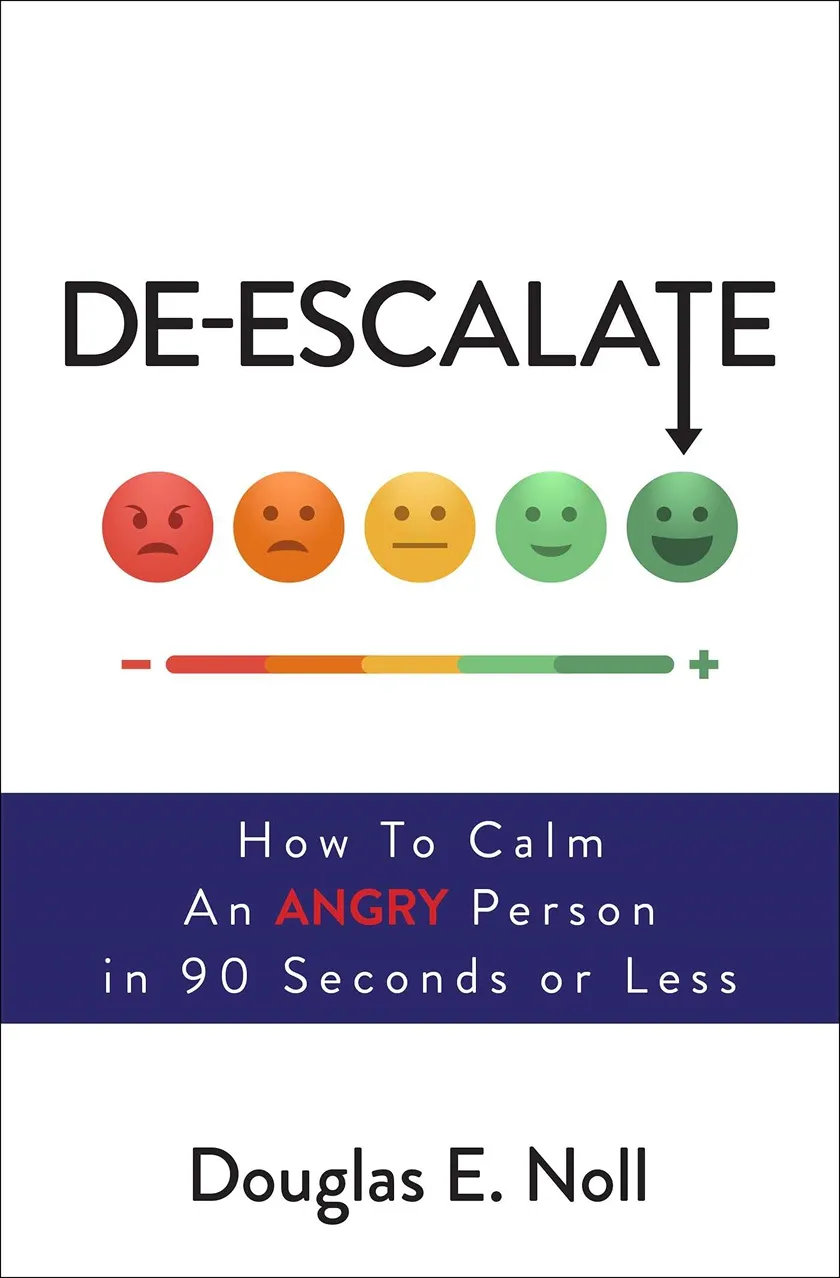
Doug has authored several books on affect labeling and emotional competency, including De-Escalate: How to Calm an Angry Person in 90 Seconds or Less, which won multiple awards and has been adopted by organizations worldwide.