Executive Communication Naming the Elephant Without Fear
%201.avif)

One unspoken issue at the executive level can cost seven figures.
A strategy flaw no one names.
A CEO behavior no one challenges.
A risk no one surfaces.
If a $20 million division underperforms by 5 percent because a core assumption went unchallenged, that is $1 million lost.
Silence at the top multiplies faster than silence anywhere else.
This is the Elephant Tax.
And it is paid in cash, credibility, and culture.
The diagnosis
You believe senior teams are candid.
You believe intelligence ensures truth surfaces.
It does not.
The higher the stakes, the higher the threat.
Naming an elephant in the room risks status, reputation, and influence.
The amygdala detects that risk instantly.
Cortisol rises.
The prefrontal cortex, responsible for measured language and strategic reasoning, loses efficiency.
In that state, even seasoned executives default to caution.
They soften language.
They defer.
They “circle back.”
Fear is rarely visible.
It is operational.
The four barriers to naming the elephant
1. The power asymmetry effect
When authority gradients are steep, perceived social threat increases.
Challenging a CEO or founder activates strong amygdala response.
Silence feels safer than visibility.
Unchallenged assumptions compound.
2. The reputation risk calculation
Executives guard image carefully.
One poorly received comment can redefine perception.
The brain prioritizes identity protection.
Strategy suffers quietly.
3. The group stability bias
Teams avoid destabilizing conversations to preserve cohesion.
Short term harmony wins.
Long term clarity loses.
If delayed clarity adds 3 months to a $10 million initiative, and expected monthly impact is $833,000, the cost exceeds $2 million.
4. The logic shield
Executives hide discomfort behind data.
They debate numbers instead of naming tension.
Content becomes a proxy.
Emotion remains unregulated.
Unregulated emotion blocks direct truth.
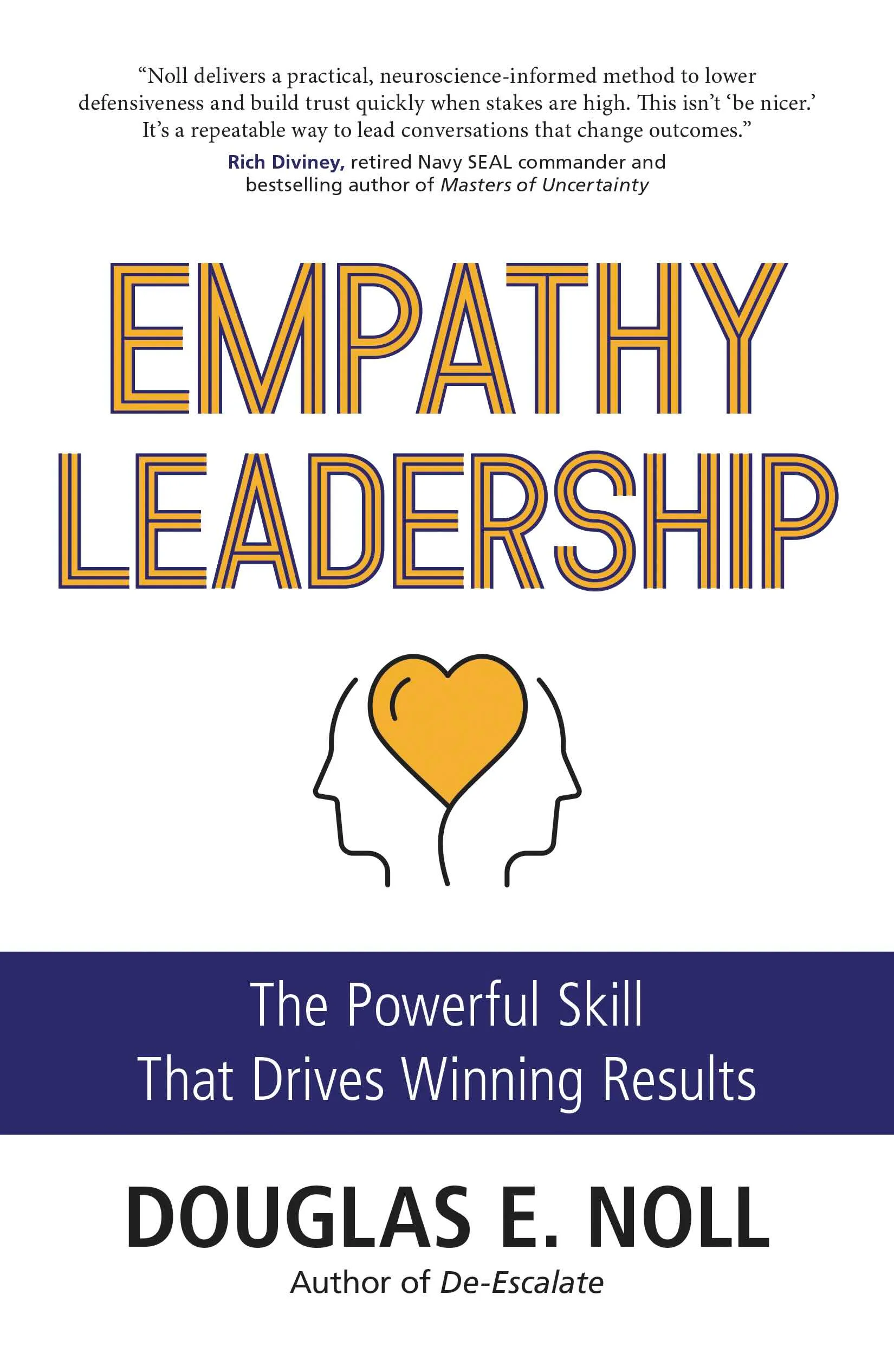
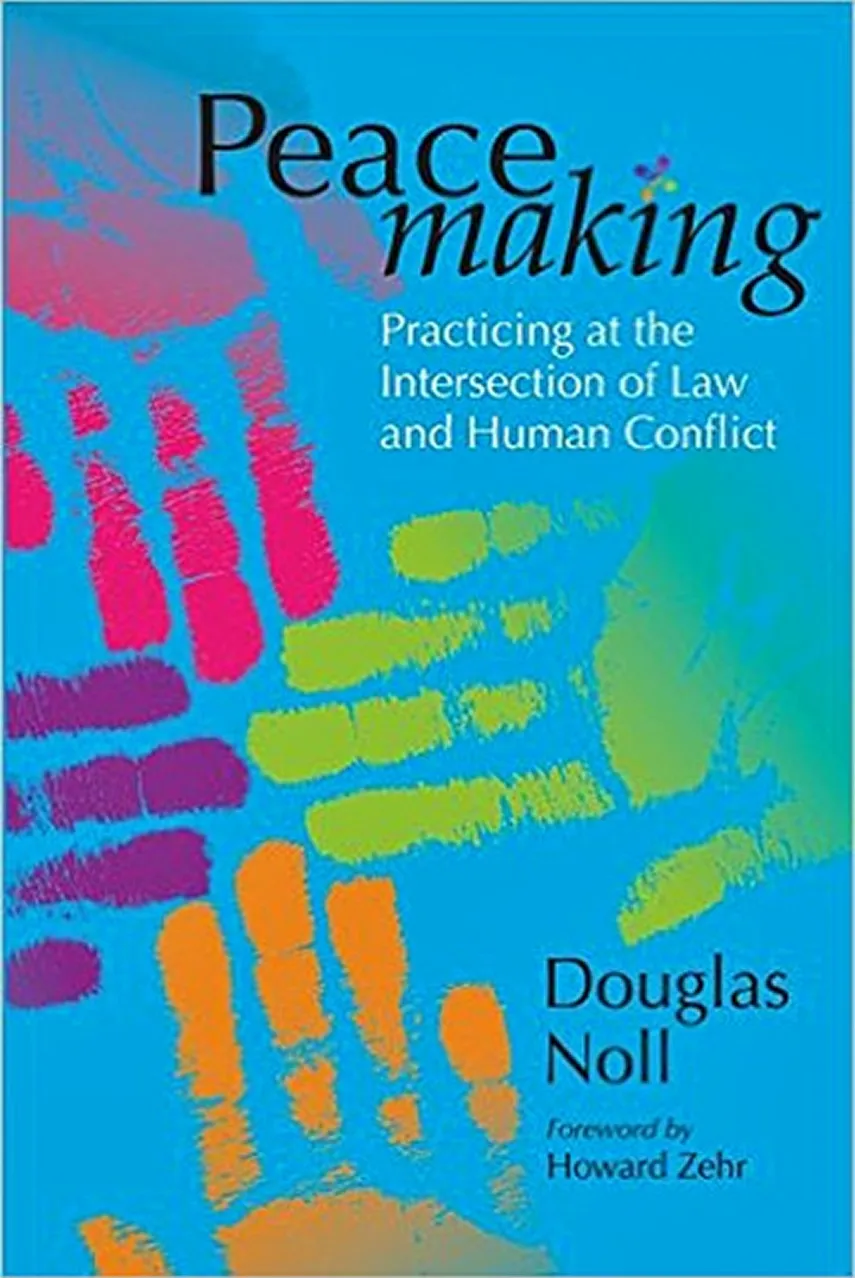
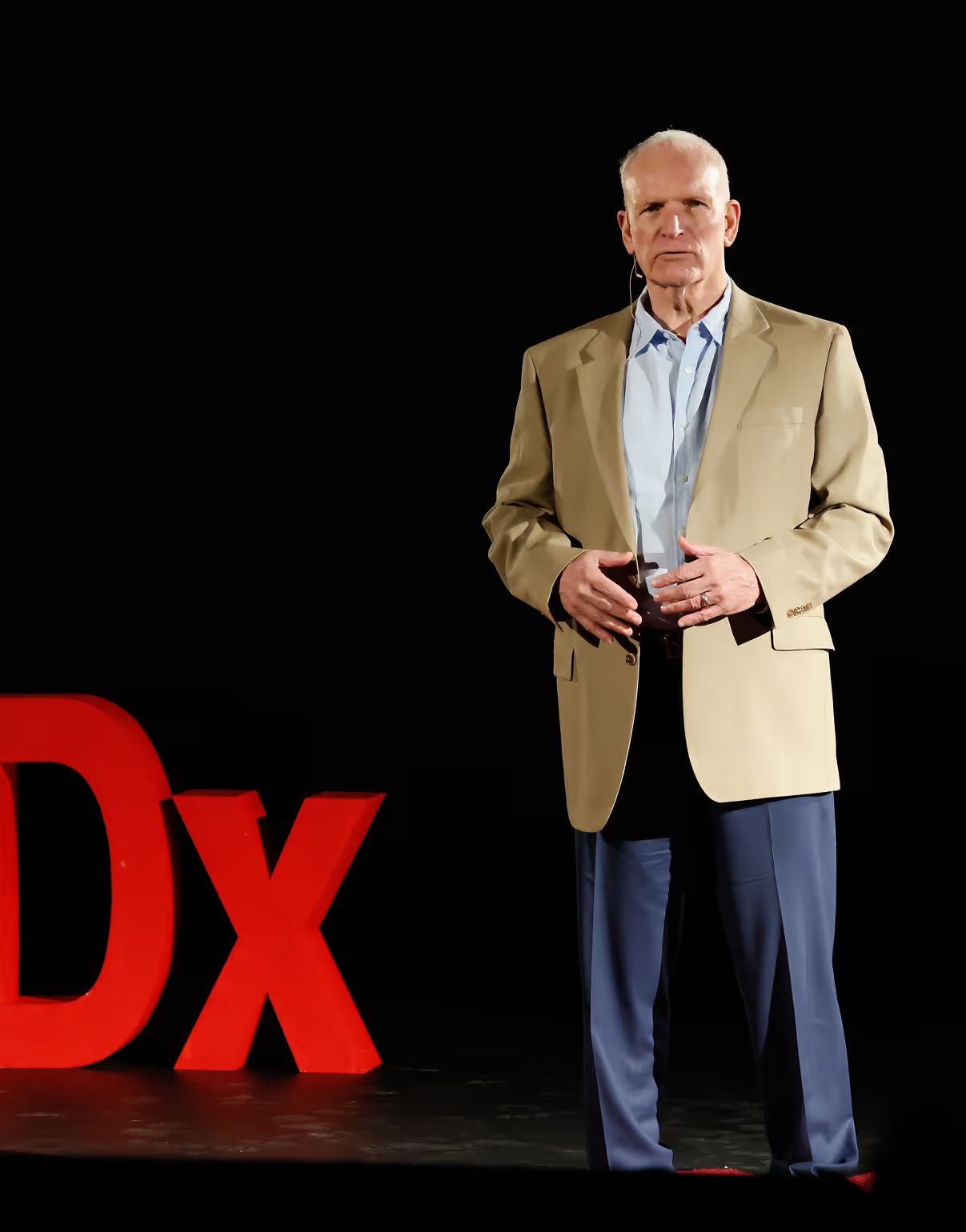
This is the neuroscience at the heart of Doug Noll's new book, Empathy Leadership: The Powerful Skill That Drives Winning Results.
The neuroscience of executive silence
The amygdala processes social threat before conscious reasoning begins.
Threat includes loss of influence, humiliation, exclusion, or being labeled disloyal.
When activated:
- Cortisol increases.
- Speech becomes guarded.
- Risk tolerance declines.
- Directness decreases.
The prefrontal cortex loses fluidity.
In that state, naming the elephant feels dangerous.
Silence feels rational.
But silence sustains threat.
Unspoken tension keeps cortisol elevated across the room.
Collective cognition narrows.
Strategic blind spots widen.
The counterintuitive protocol
You do not force candor with slogans.
You regulate the nervous system first.
If tension builds in a boardroom, do not push content.
Say:
“There seems to be concern about how this impacts leadership.”
Pause.
If someone hesitates before speaking, say:
“You appear cautious raising this.”
Pause.
If resistance simmers beneath polite language, say:
“There is discomfort here.”
Pause.
Short. Declarative. Precise.
No analysis.
No accusation.
Accurate emotional labeling reduces amygdala activation. Cortisol declines. The prefrontal cortex regains clarity.
Only then name the issue directly.
“We may be avoiding the real risk here.”
Or:
“It sounds like we are not aligned on this assumption.”
When emotional threat drops, truth becomes speakable.
If early naming of one flawed strategic assumption prevents a 5 percent revenue miss on a $50 million portfolio, the preservation equals $2.5 million.
Executive communication is not about eloquence.
It is about regulation.
You cannot name the elephant without first lowering threat.
Regulate the room.
Then speak plainly.
Emotional Competence Shapes Your Influence as a Leader
This 90-second emotional competence quiz will tell you how your emotions affect the way you are treated at work and how to gain the respect and influence you deserve as a leader.
Take the Free Assessment
Doug’s Books
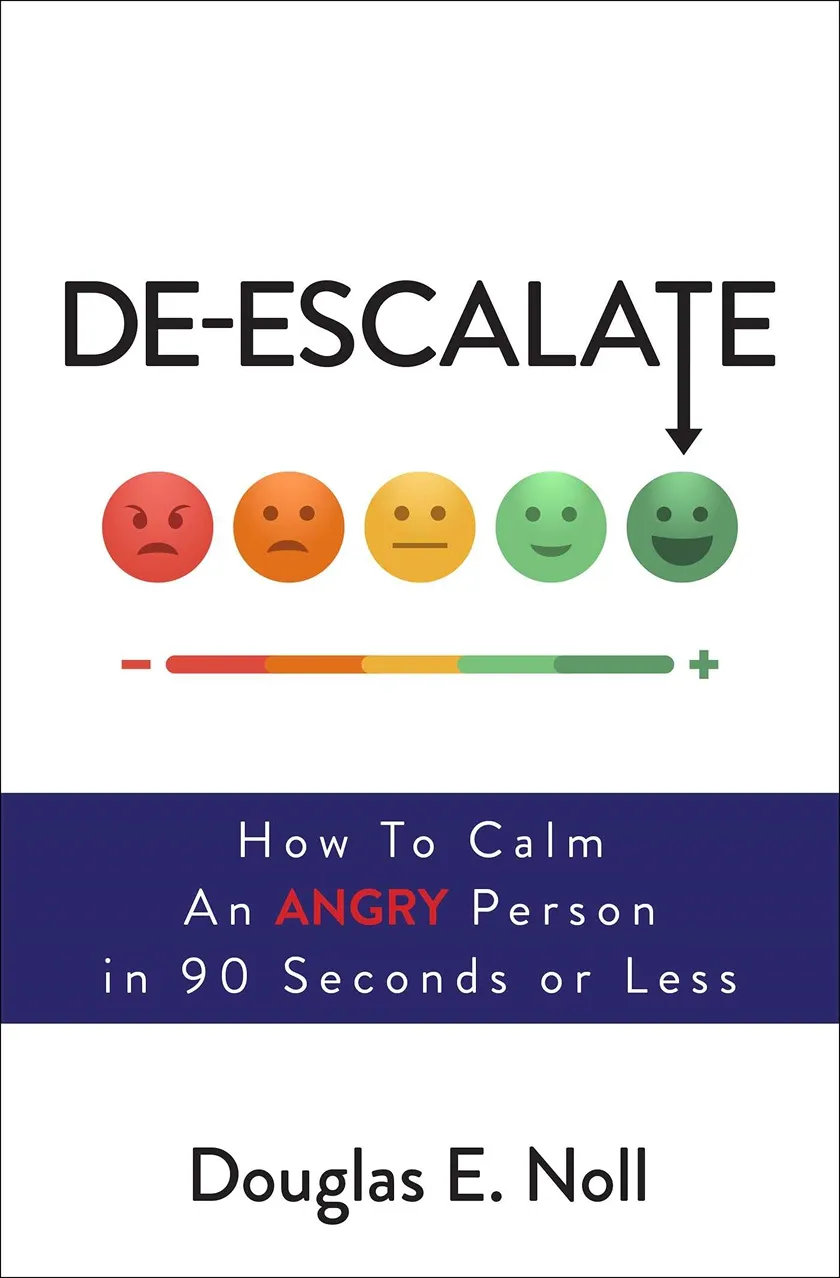
Doug has authored several books on affect labeling and emotional competency, including De-Escalate: How to Calm an Angry Person in 90 Seconds or Less, which won multiple awards and has been adopted by organizations worldwide.