EQ Skills: 10 Words to Fix a Toxic Meeting
%201.avif)

Ten executives in a tense meeting at $500 per hour each equals $5,000 per hour.
If the meeting derails for 45 minutes, that is $3,750.
If toxic dynamics extend the conflict into three follow up meetings, the cost exceeds $15,000.
Multiply that across a quarter of recurring friction and the six figure mark is easy to reach.
Toxic meetings are not intelligence failures.
They are unregulated nervous systems.
You do not fix toxicity with better slides.
You fix it with precision language.
The diagnosis
You believe toxic meetings are caused by difficult personalities.
You respond with tighter agendas, more structure, or sharper logic.
The room stays tense.
Because once the amygdala activates, logic does not land.
Cortisol rises.
The prefrontal cortex, responsible for impulse control and strategic reasoning, loses influence.
Voices sharpen.
Listening declines.
Positions harden.
Toxicity is threat in motion.
Threat must be regulated before strategy moves.
The ten words that reset the room
These ten emotion words, used precisely and calmly, can reduce activation fast.
Each word works when it accurately matches the emotion present.
1. Frustrated
“You are frustrated.”
Frustration signals blocked goals.
Naming it lowers intensity.
2. Concerned
“You seem concerned.”
Concern is safer than accusation.
It reframes resistance as risk awareness.
3. Overlooked
“You feel overlooked.”
Status threat decreases when acknowledged.
4. Disappointed
“You are disappointed.”
Disappointment signals unmet expectation.
It redirects anger toward loss.
5. Pressured
“You feel pressured.”
Pressure named reduces escalation.
6. Uncertain
“You are uncertain about this.”
Uncertainty drives defensive debate.
Clarity reduces it.
7. Defensive
“You sound defensive.”
When accurate, this reduces the need to defend further.
8. Excluded
“You feel excluded from this decision.”
Exclusion triggers strong amygdala activation.
Acknowledgment lowers it.
9. Skeptical
“You are skeptical.”
Skepticism is easier to explore than hostility.
10. Overwhelmed
“You seem overwhelmed.”
Overwhelm narrows thinking.
Naming it restores cognitive capacity.
The neuroscience behind the reset
The amygdala detects social threat instantly.
Threat includes dismissal, status loss, exclusion, and perceived unfairness.
When activated:
- Cortisol increases.
- Listening decreases.
- Risk tolerance shrinks.
- Cognitive flexibility declines.
Affect labeling, the act of naming emotion, reduces amygdala activation.
Cortisol declines.
The prefrontal cortex regains control.
Regulated brains collaborate.
Unregulated brains compete.
The counterintuitive protocol
When a meeting turns toxic, stop managing content.
Track emotion.
Select one precise word.
State it calmly.
“You are frustrated.”
Pause.
No explanation.
No counterargument.
If accurate, intensity drops within seconds.
Shoulders lower.
Tone softens.
Now ask:
“What outcome are you trying to protect?”
Or:
“What risk are we managing here?”
If precise emotional labeling shortens even one 90 minute executive conflict per week by 20 minutes, and the room costs $5,000 per hour, that preserves roughly $83,000 annually.
Toxic meetings are not solved by dominance.
They are solved by regulation.
Ten words can recover six figures of executive time.
Name the emotion.
Then lead.
Emotional Competence Shapes Your Influence as a Leader
This 90-second emotional competence quiz will tell you how your emotions affect the way you are treated at work and how to gain the respect and influence you deserve as a leader.
Take the Free Assessment
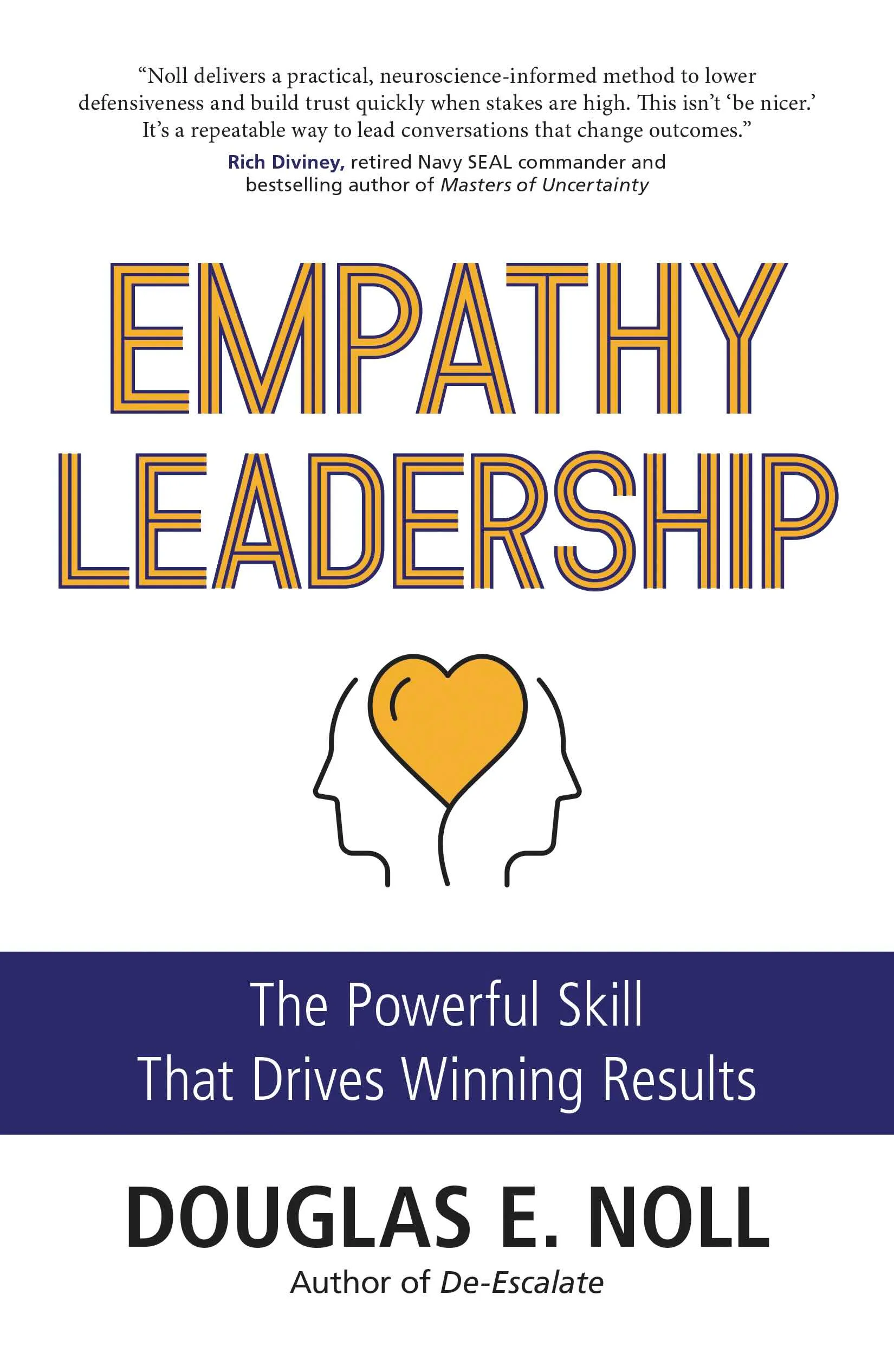
Doug’s Books
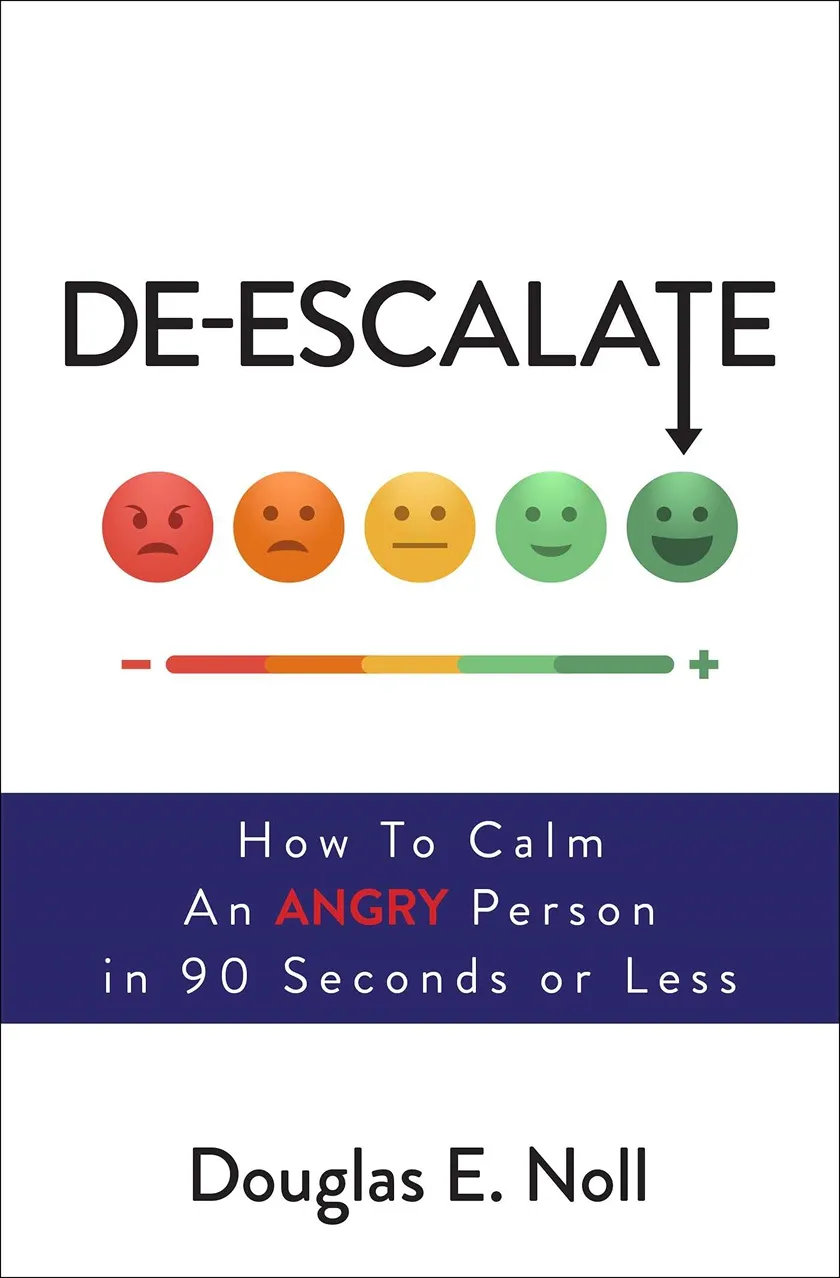
Doug has authored several books on affect labeling and emotional competency, including De-Escalate: How to Calm an Angry Person in 90 Seconds or Less, which won multiple awards and has been adopted by organizations worldwide.