The Cousin Who Should Have Been CEO. Nobody Would Say It.
%201.avif)

Everyone in the building knew who ran the company.
It was not the CEO. The CEO was the founder's son, forty-four, decent, hardworking, and genuinely liked. He held the title, chaired the meetings, and signed the things that required signing.
The company ran on his cousin.
She had joined at twenty-six as an analyst. Nineteen years later she was COO in function and Director of Operations in title. When a division head had a real problem they went to her. When a customer escalated they went to her. When the CEO needed to know what was actually happening in the business, he went to her, usually before the meeting where he would present it.
At the annual family council, in the section on leadership development, her name appeared once, under a heading about retention of key non-family personnel.
She was family. Her mother was the founder's sister.
The rule that was never a rule
Nobody had ever said that the CEO role followed the direct male line. It was not in the shareholders' agreement, not in the family charter, not in any document a lawyer had drafted.
It had simply never been otherwise, and in a family business the things that have never been otherwise carry more force than the things that are written down.
The founder had four siblings. The company had passed to him rather than to his older sister, who had a better head for it and who everyone in that generation privately acknowledged should have had it. Nobody said that out loud either.
So there was precedent. The precedent had a body count of one already, and it was about to add a second.
What it cost, specifically
Three things, none of which appeared as a line item.
The first is decision latency. Every material decision took two conversations instead of one, because the person with the judgment did not have the authority and the person with the authority did not have the judgment. That gap ran at roughly a week on anything significant.
The second is that the CEO knew. He was not stupid and he was not in denial. He carried a low-grade awareness that his cousin was better at his job, which made him defensive in exactly the moments where he most needed to ask her opinion. So the two-conversation pattern degraded further in high-stakes situations, which is where it mattered most.
The third is that she started taking recruiter calls in her sixteenth year. She did not leave. She simply began to hold something back, and the thing she held back was the discretionary judgment that had made her valuable in the first place.
Why nobody said it
Because saying it required saying something about the founder.
To name that the cousin should be CEO is to name that the succession decision was made on lineage rather than capability. To name that is to name that the founder, who was still alive and still attended every council meeting, had made a decision about his own son that was not defensible on the merits.
No individual family member could carry the cost of saying that. So the cost stayed distributed, invisible, and permanent.
This is the structural problem with unspoken succession logic. It is nobody's job to name it and everybody's problem that it is unnamed.
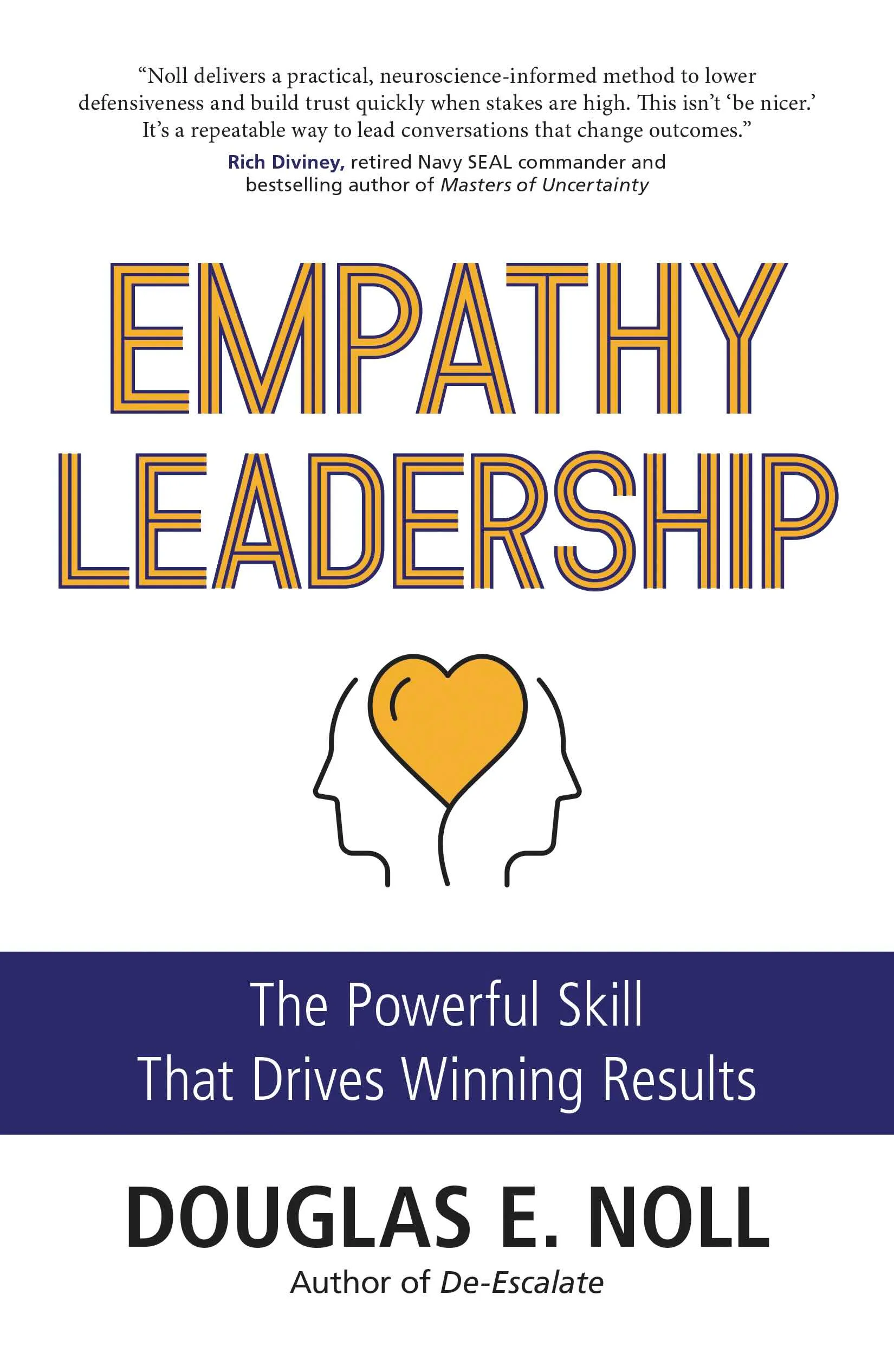
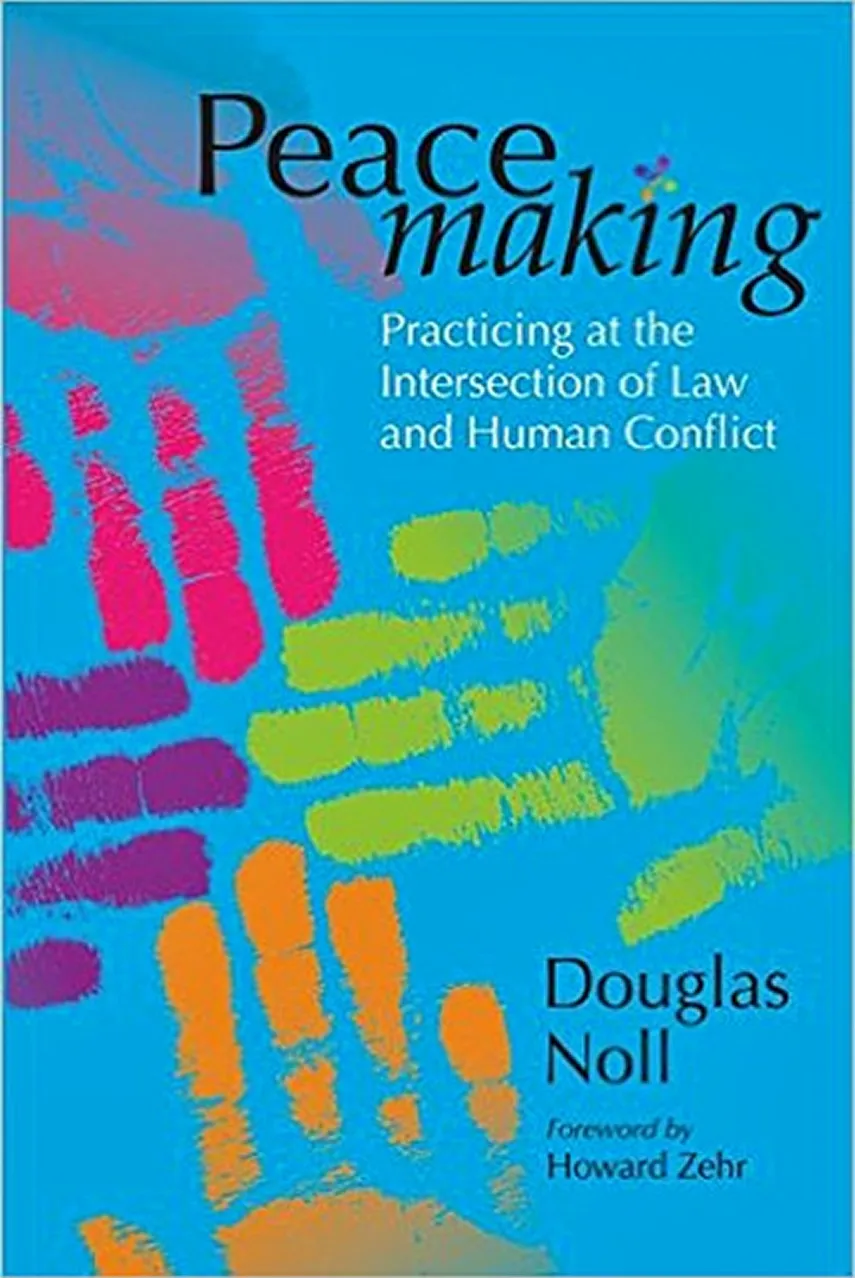
Doug Noll's new book Empathy Leadership: The Powerful Skill That Drives Winning Results covers how families surface the decisions that were never actually decided. Pre-order it on Beyond Words.
What broke it
An external director, in his second year, asked one question in a council meeting.
Not "should she be CEO." He was not naive.
He asked: "If we were hiring for this role externally today, with no family in the candidate pool, what would the job spec say?"
They wrote the spec. It took forty minutes. It was a good spec.
Then he asked the second question. "Who in this room, family or not, currently does the most of what is on that list?"
Nobody answered for a while. Then the CEO said, "Maya does."
He said it himself. That is the only reason the conversation survived.
What they actually did
Not what you might expect. They did not remove him.
They created an Office of the CEO with two named principals, split the domains explicitly, and gave her the operating half with full authority and the title to match. He kept external, capital, and family council. Those were genuinely his strengths and always had been.
It is an awkward structure. Governance consultants dislike it. It has now run for six years and the business has compounded at a rate neither of them would have hit alone.
The founder, who was eighty-one when this happened, said one thing at the meeting where it was agreed. He said, "I should have thought about this properly in 1994."
He meant his sister.
For related reads, see Honest Leadership and Facing Reality and Naming the Elephant Without Fear.
The question worth asking at your next council
Write the job spec as if no one in the family existed. Then ask who does the most of it.
You may not act on the answer. Most families do not, and there are legitimate reasons why not.
But you will have said it out loud, which means it stops running the room from underneath.
If your family has a leadership question everyone knows the answer to and nobody will say, book a no-obligation Zoom call with Doug Noll.
Emotional Competence Shapes Your Influence as a Leader
This 90-second emotional competence quiz will tell you how your emotions affect the way you are treated at work and how to gain the respect and influence you deserve as a leader.
Take the Free Assessment
Doug’s Books
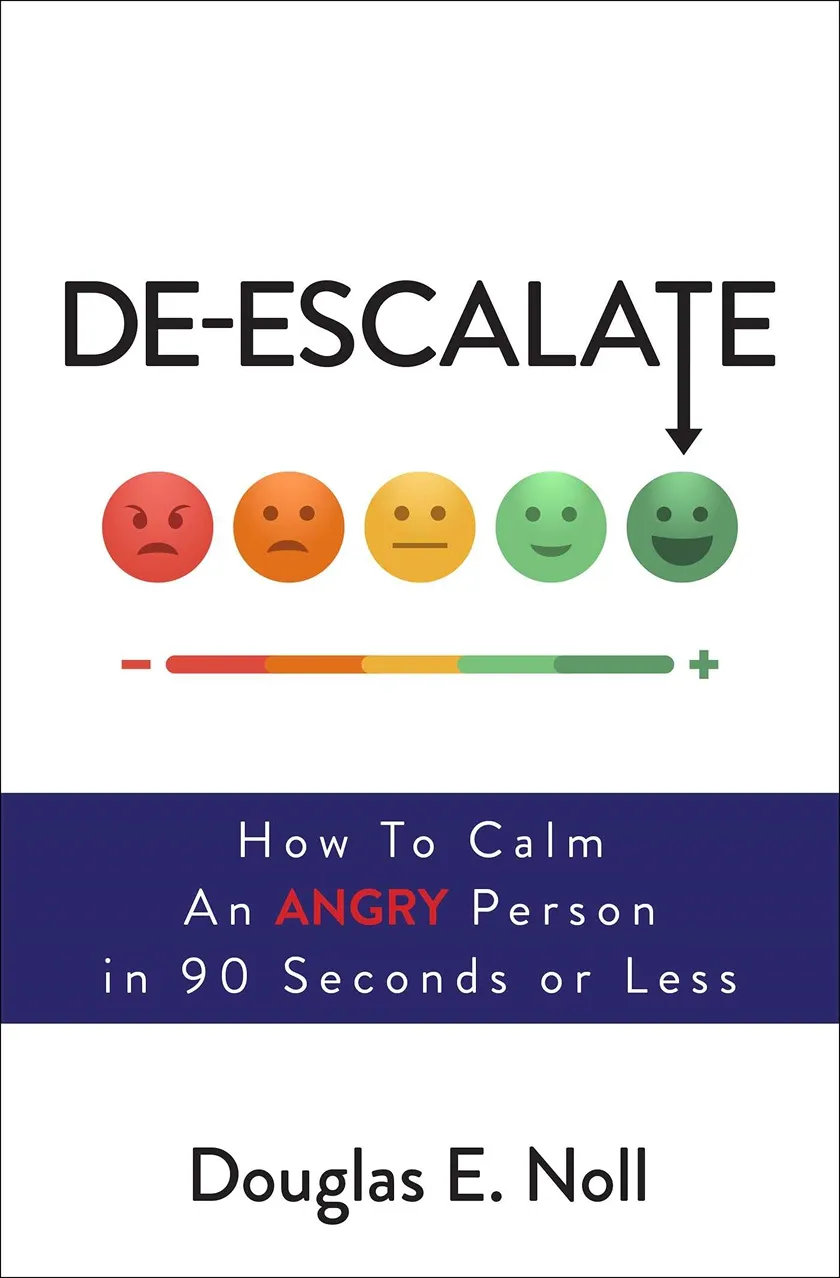
Doug has authored several books on affect labeling and emotional competency, including De-Escalate: How to Calm an Angry Person in 90 Seconds or Less, which won multiple awards and has been adopted by organizations worldwide.