The Six-Figure Cost of a Manager Who Waits Too Long to Give Feedback
%201.avif)

The manager had known for eight months that one of his account leads was underperforming. He had a draft of the conversation written in his notes app in month two. He never had it. Every time he sat down to raise it, he imagined the account lead getting defensive or upset, and he found a reason to push the conversation to next week instead.
By month eight, the account lead's largest client had quietly begun exploring a competitor, frustrated by a pattern of missed follow-ups the manager had been aware of the entire time. The client left the following quarter.
The CFO, reviewing the churn, asked a simple question in the postmortem. "When did you first notice this wasn't working?" The manager answered honestly. Month two.
What eight months of avoidance actually did
The CFO built out the real cost of the six-month delay between when the manager noticed the problem and when he acted on it. The client's annual contract value was the obvious number. Underneath it were three more specific costs the manager had never considered: the cost of the account lead continuing to run the relationship badly for six additional months, the cost of a rushed, defensive reassignment once the client had already started leaving, and the cost of the account lead himself, who was blindsided by an abrupt conversation in month eight after receiving no real signal for the previous six.
The account lead, reasonably, felt ambushed. He had never been told there was a problem. He left the company two months later, taking with him institutional knowledge about two other accounts that then required a costly transition of their own. The total, once the CFO added the lost client, the transition costs, and recruiting for the account lead's replacement, crossed six figures.
How much is one unresolved conflict really costing your company?
What the delay was actually protecting
The manager had not been protecting the account lead by waiting. He had been protecting himself from an uncomfortable ninety seconds. Every week he postponed the conversation, the anticipated discomfort of having it stayed exactly the same size in his mind, while the actual damage from not having it kept compounding in the account.
This is a common and expensive miscalculation. The discomfort of a hard conversation is usually front-loaded and brief, typically resolving within the first two minutes once the conversation actually starts, because the amygdala stops firing once the anticipated moment is no longer anticipated. The nervous system settles fast once the actual thing is happening. The cost of avoiding it is back-loaded and open-ended, growing for as long as the avoidance continues. A manager who avoids the ninety seconds is not avoiding a cost. He is trading a small, known cost for a large, unknown one that arrives later and lands on someone else's numbers.
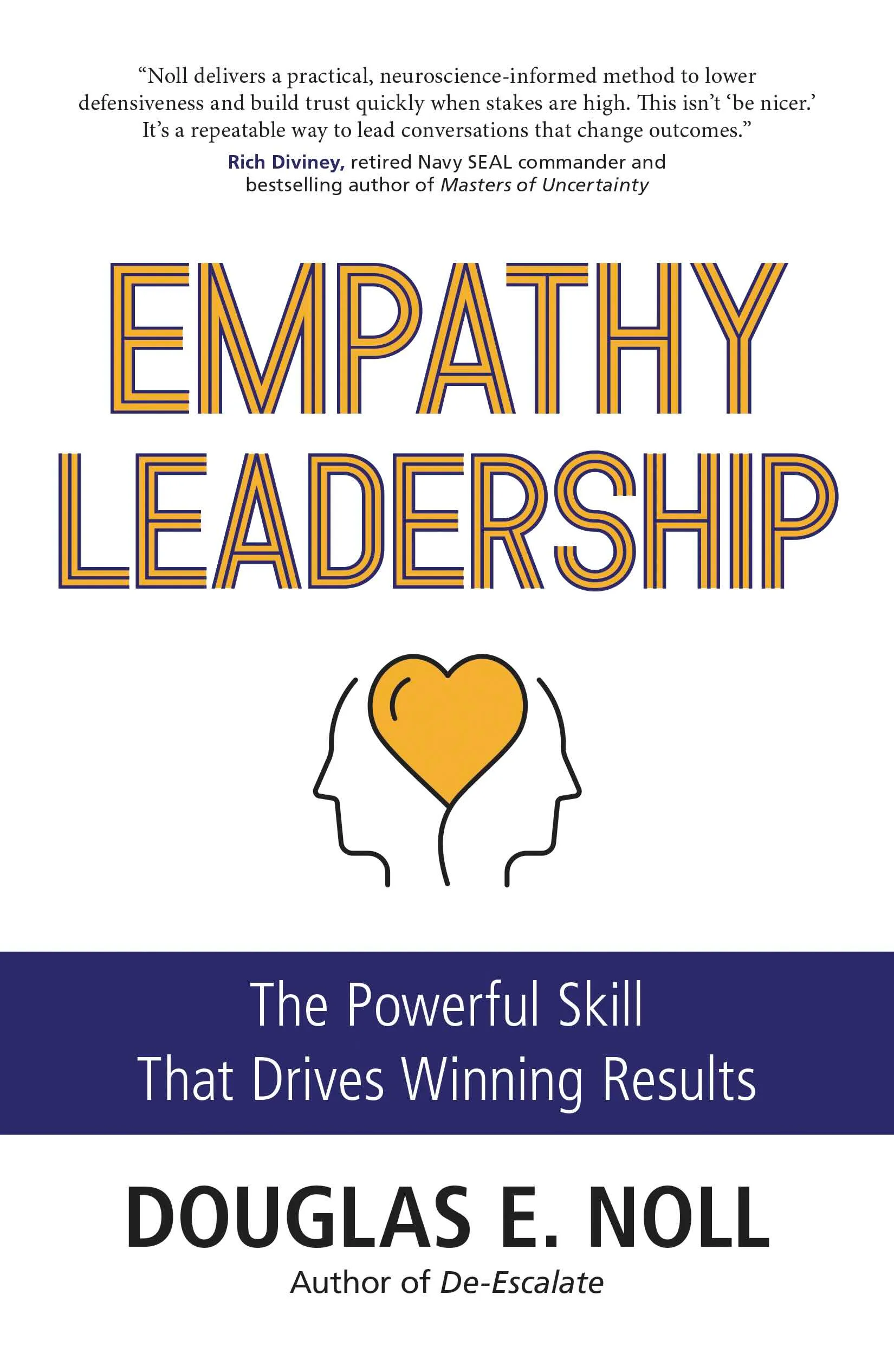
Doug Noll's new book Empathy Leadership: The Powerful Skill That Drives Winning Results lays out why the discomfort of a hard conversation is nearly always smaller than the cost of delaying it. See it here.
What the manager does differently now
He set himself a rule after the postmortem. Any performance concern gets raised within two weeks of noticing it, in a short, direct conversation, no matter how much he dreads it. He has had four such conversations since. None have gone as badly as the one he imagined for six months before finally having it.
The rule did not make the conversations comfortable. It made them small again, which is what they were supposed to be before he let them grow.
Emotional Competence Shapes Your Influence as a Leader
This 90-second emotional competence quiz will tell you how your emotions affect the way you are treated at work and how to gain the respect and influence you deserve as a leader.
Take the Free Assessment
Doug’s Books
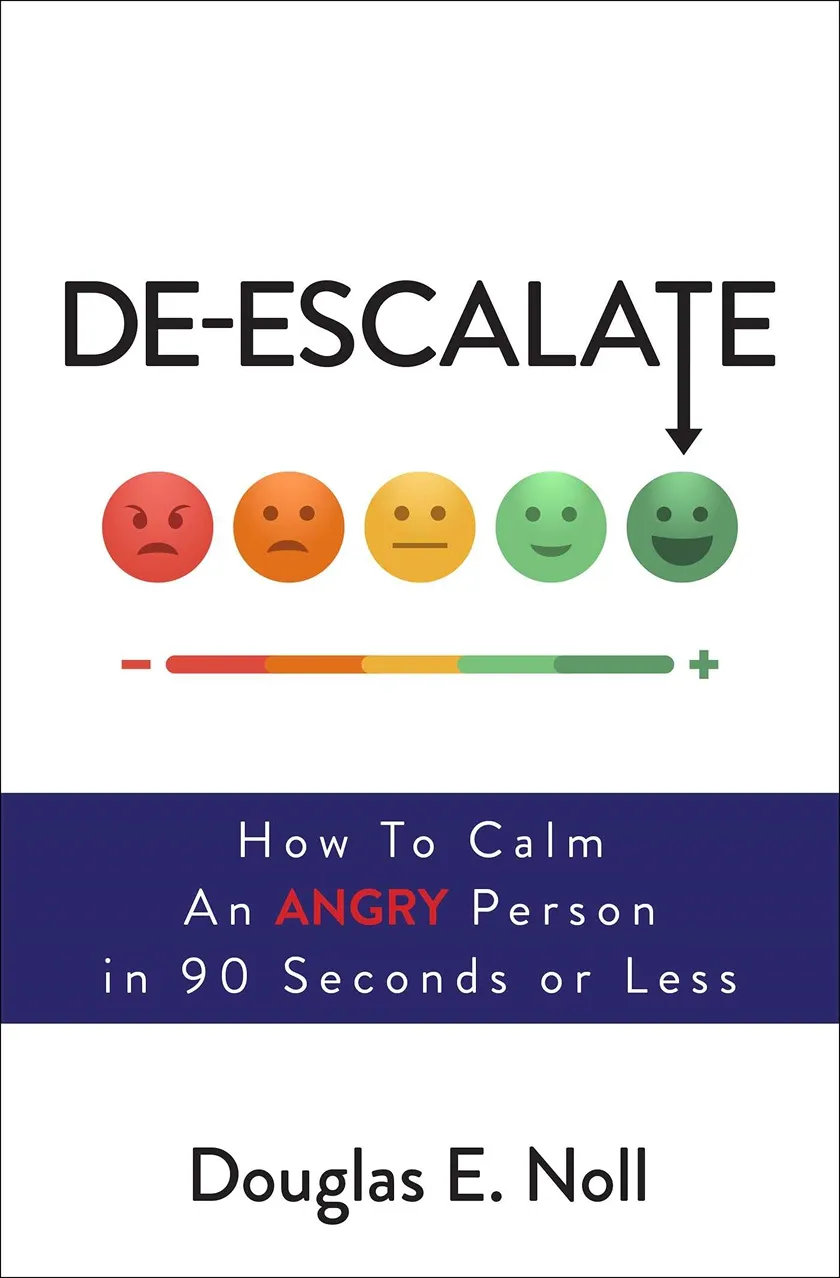
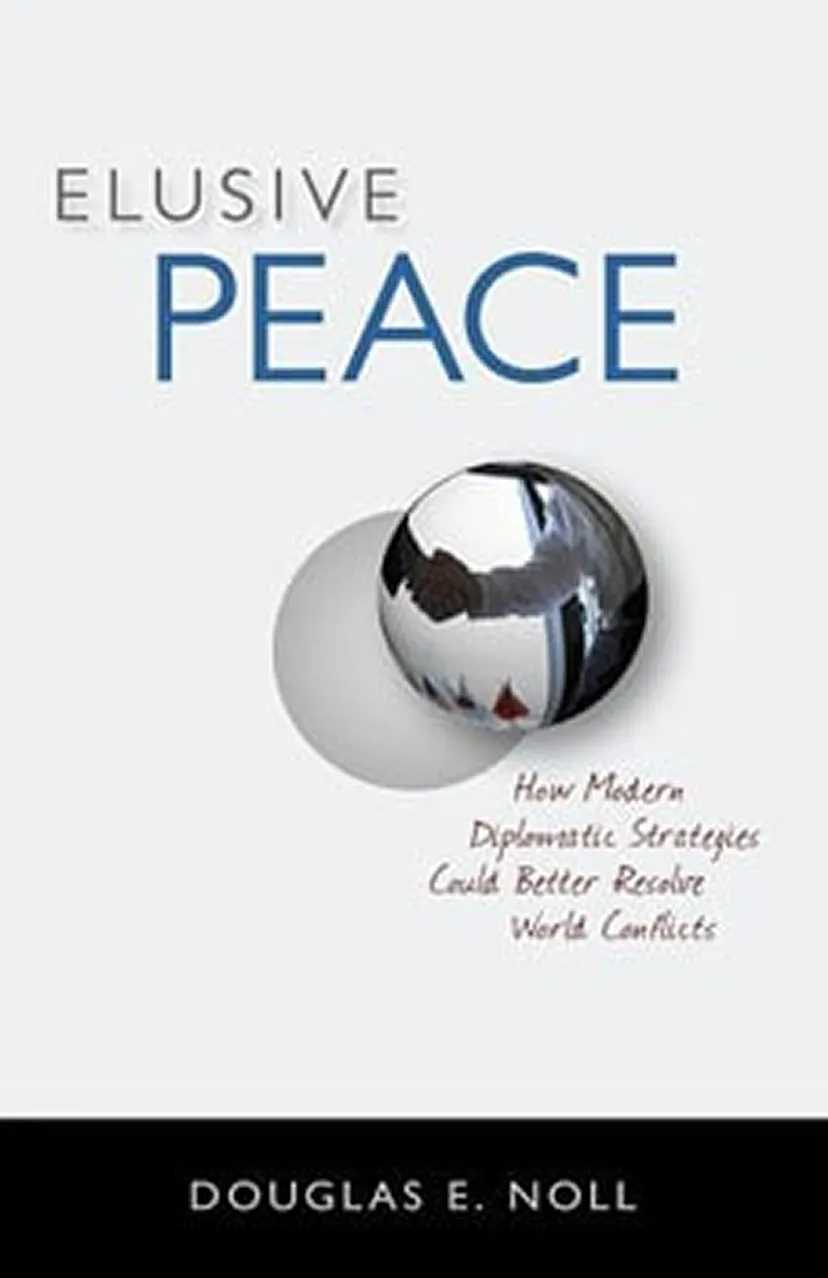
Doug has authored several books on affect labeling and emotional competency, including De-Escalate: How to Calm an Angry Person in 90 Seconds or Less, which won multiple awards and has been adopted by organizations worldwide.
More Blogs
View All