He Built a Great Company. Then His Co-Founder Stopped Talking to Him.
%201.avif)

They finished each other's sentences for five years.
Sometime in the sixth year they stopped. Nobody could name the day. The head of operations noticed first, because she was the one who slowly became the person routing between them.
She used to walk into the founder's office, get a decision, and know it would hold. Now she walked in, got a decision, walked into the co-founder's office, got a different one, and invented a third that both would accept.
She stopped flagging the discrepancies. So did everyone else.
The company kept shipping. Revenue grew. The board saw a healthy business. What they did not see was that every decision now took three conversations instead of one. Roadmaps stretched. Hiring loops stalled. The engineering VP left because he could not tell whose priorities to build against.
Velocity was leaking out through the space between two founders who would not be honest with each other.
The meeting nobody mentioned again
The board's diagnosis was market. The consultant's was org design. The head of operations had her own, which she never said out loud, and it was one specific meeting eighteen months earlier.
In that meeting the founder made a call about their largest customer. His co-founder disagreed. The disagreement got sharp. The founder said, in front of two direct reports, that his co-founder did not understand the account.
The co-founder said nothing at the time. They finished the meeting, shipped the decision, and it went fine.
Neither of them brought it up again.
The co-founder started routing his real disagreements through the head of operations. Not deliberately. His nervous system had learned that raising a hard disagreement with the founder in the room was a threat. Threat gets avoided. Avoidance becomes habit. Habit becomes culture.
Eighteen months later they had built a company where two people who used to speak plainly could not.
Why the disagreement was never the problem
Co-founder ruptures rarely start with the disagreement. They start with the conversation both people decide is too dangerous to have.
The dangerous conversation is not the one where you argue about strategy. That one is safe. You both know how to have it. The dangerous one is where you say, "Something changed between us and I do not know what it is."
That conversation feels like it could break the company, so people skip it. The avoidance is the break. The unspoken thing hardens, and every decision after it routes around the wound.
The company slows down. Nobody names why.
Why they could not fix it alone
Co-founders usually cannot repair their own rupture without a third person in the room. Not because they lack skill. Because psychological safety between them has degraded, and safety cannot be rebuilt by the two people whose relationship is the source of the missing safety.
The head of operations eventually called a facilitator without telling either founder. She booked two hours on a Friday and told them both they were required to attend a leadership offsite.
The facilitator did not ask about strategy. She asked one question. "When did the two of you stop being able to tell each other the truth?"
Long silence. Then the co-founder said, "The Millbrook meeting."
The founder blinked. He had not remembered it until his co-founder named it. When he did, he said, "I did not know that landed the way it did."
"It landed the way you thought it wouldn't."
The facilitator did the thing facilitators are for. She said out loud what both of them were feeling. She did not solve it. She named it. Two nervous systems that had spent a year and a half protecting their owners from each other dropped a few notches.
They talked for another ninety minutes. Most of it was not about the meeting. It was about how much smaller the partnership had become since it happened.
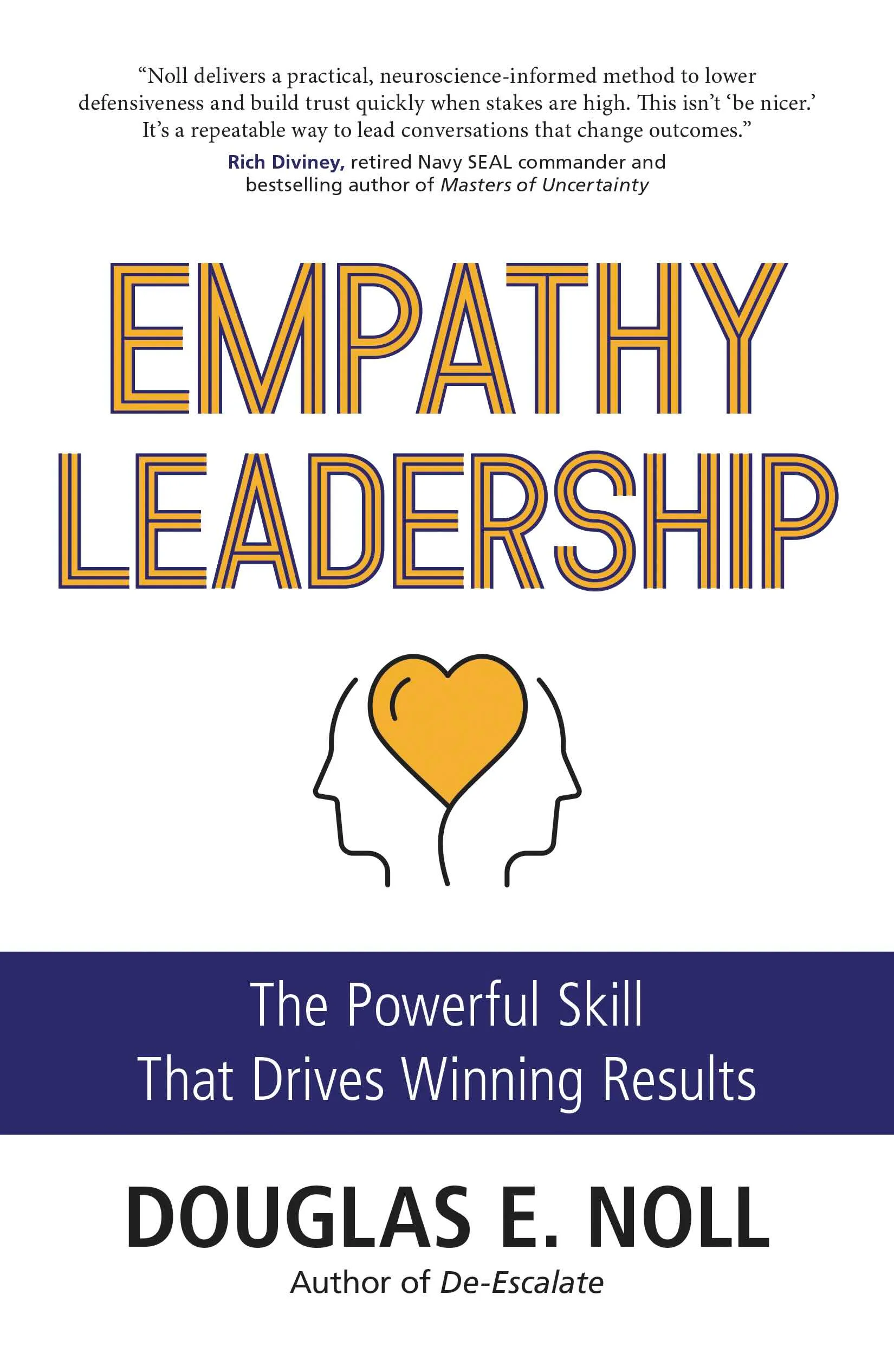
The technique she used has a full protocol in Doug Noll's new book, Empathy Leadership: The Powerful Skill That Drives Winning Results. Pre-order it on Beyond Words.
What came back
Six weeks later the head of operations noticed she had stopped translating. She walked into the founder's office, got a decision, and it held. She walked into the co-founder's office to inform him and he said, "Good. Move on it."
Engineering unblocked three projects the following month. Two had been stalled a full quarter. Nobody wrote a memo. Nothing on the org chart changed. The board saw velocity return in the numbers two quarters later and credited a market shift.
What actually happened is that two people who used to trust each other rebuilt enough safety to disagree again. Disagreement went back to being the currency of the partnership instead of a threat to it.
The signal to watch for
If you run a company with a partner and you notice you are routing important decisions through a third person, that is the signal.
Not the argument. The routing.
The moment you would rather talk to your COO than your co-founder about the hard thing, something has already broken. It is small. It only becomes large if you leave it alone.
The repair is one conversation. You do not need to solve the original disagreement. You need to name that the safety changed and find the moment it changed. Once you can both point at the same moment, most of the repair is already done.
For related reads, see Naming the Elephant Without Fear and Conflict Latency.
If you and your co-founder have started routing hard conversations through other people and want a private read on it, book a no-obligation Zoom call with Doug Noll.
Emotional Competence Shapes Your Influence as a Leader
This 90-second emotional competence quiz will tell you how your emotions affect the way you are treated at work and how to gain the respect and influence you deserve as a leader.
Take the Free Assessment
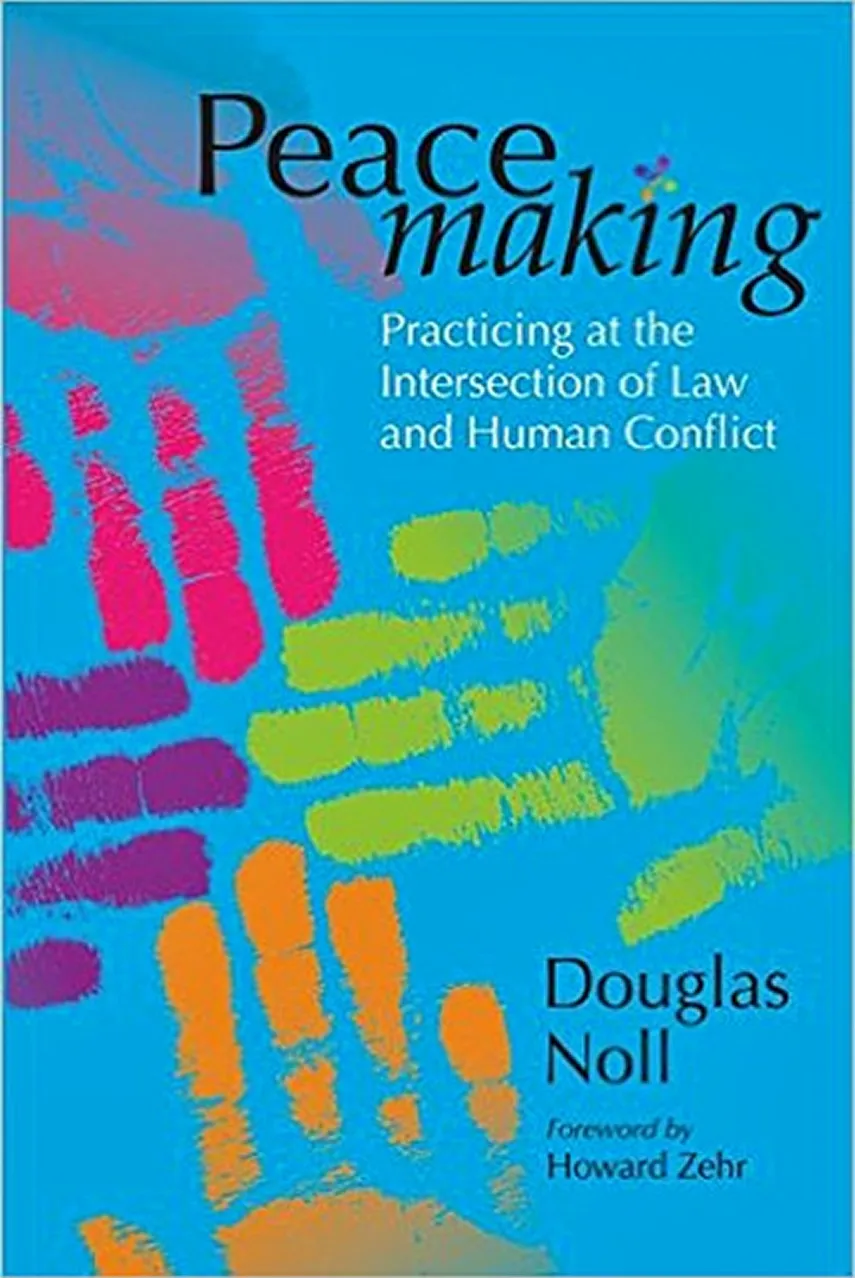
Doug’s Books
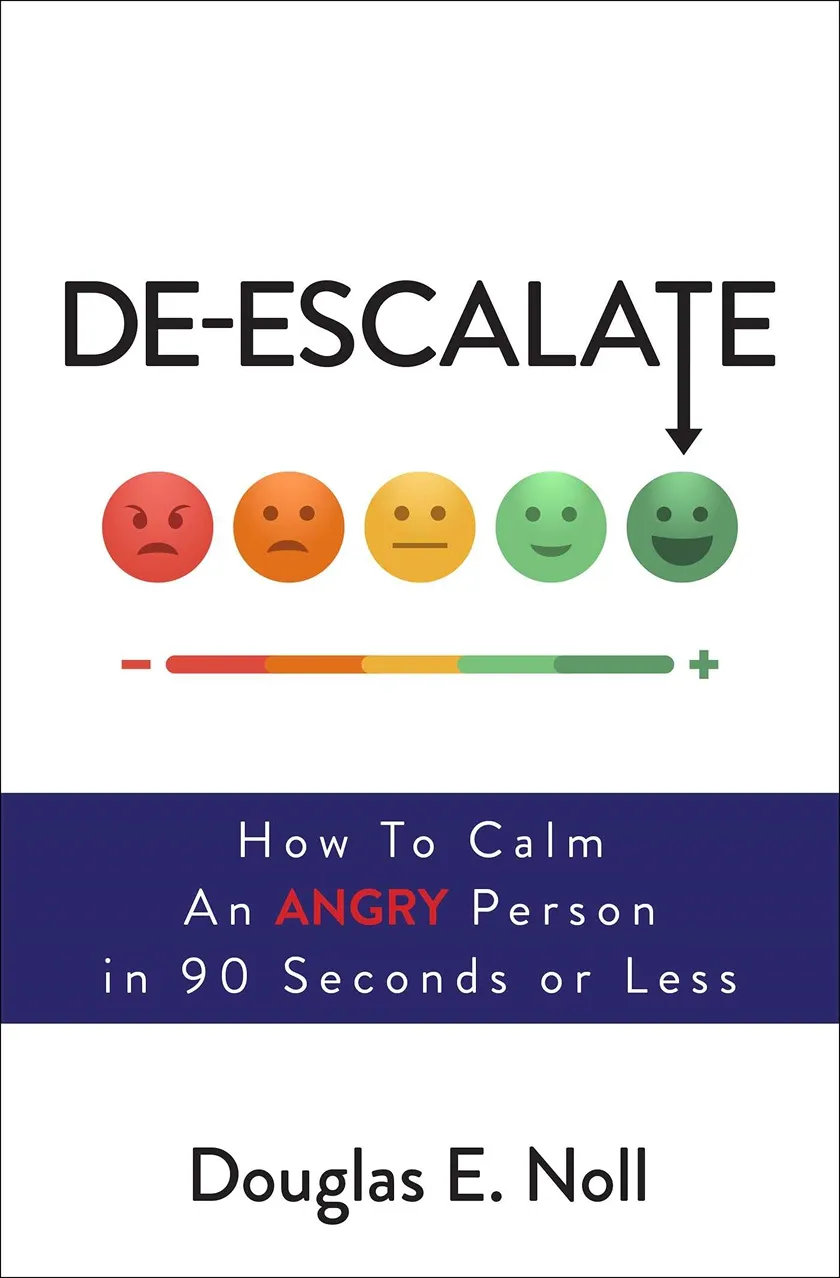
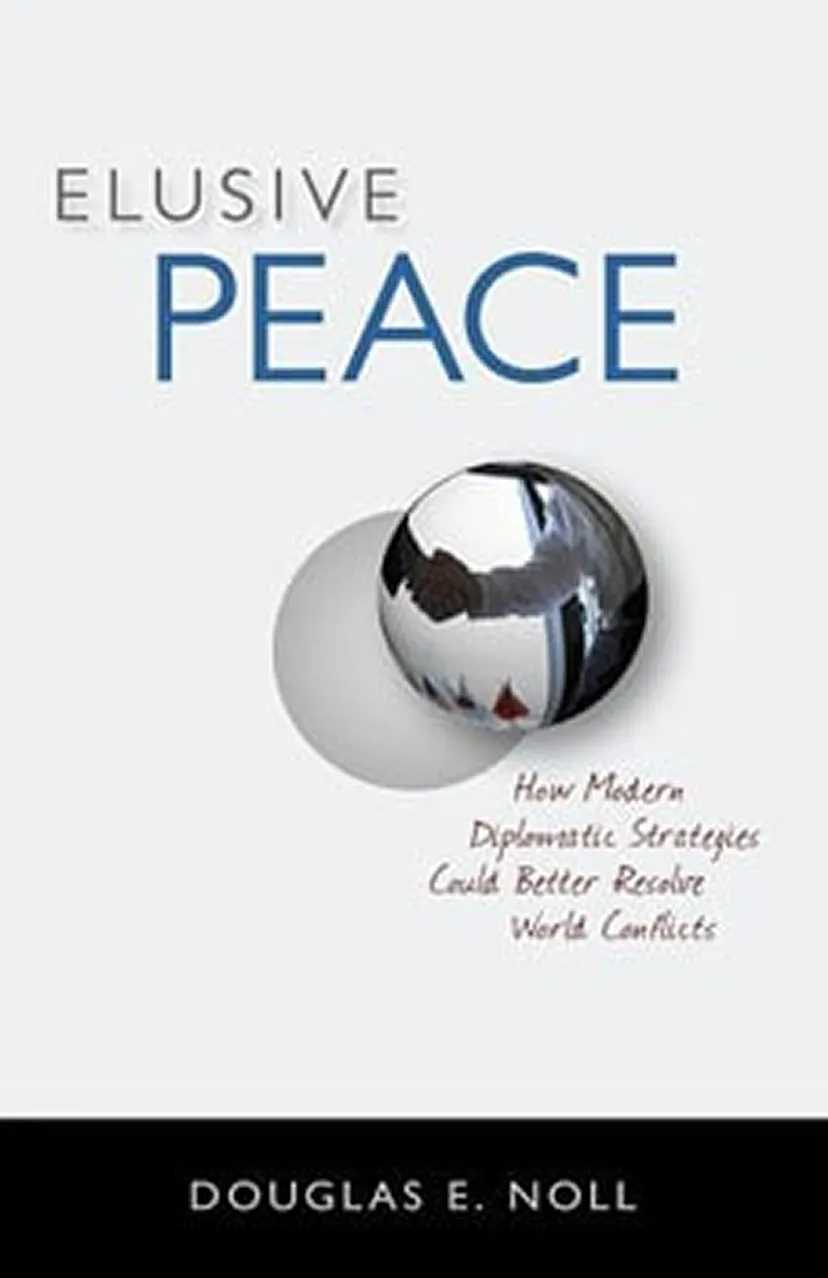
Doug has authored several books on affect labeling and emotional competency, including De-Escalate: How to Calm an Angry Person in 90 Seconds or Less, which won multiple awards and has been adopted by organizations worldwide.

More Blogs
View All

October 23, 2026
6 Powerful Reasons De-Escalation Training for Employees Doesn't Scale (and the Fix)
Read Blog

October 23, 2026
How Executive Dispute Mediation Actually Resolves a Board-Level Rupture
Read Blog

October 22, 2026
4 Critical Failures of Most Corporate Mediation (and the Approach That Works)
Read Blog