Why Every 100-Day Plan Fails the Same Way
%201.avif)

Every hundred-day plan fails in the same place, and it is not the hundred days.
It is week two.
The plan is presented, the CEO agrees with it, and everybody leaves the room with a different understanding of what just happened. The sponsor believes a plan has been adopted. The CEO believes a document has been received. Nobody discovers the gap for about ten weeks.
Why the agreement is not an agreement
There is a specific dynamic in the room when a plan is presented shortly after close, and almost nobody names it.
The sponsor is not asking for agreement. They are presenting a plan they have already built, funded, and staffed, and the meeting is an information transfer with a courtesy check at the end.
The CEO knows this. They know that "do you have concerns" is a genuine question in intent and a rhetorical one in structure, because the workstreams have owners and the owners have start dates.
So the CEO says the plan makes sense, because saying anything else in week two, eleven days into a relationship with people who now control the board, is a high-risk act with unclear upside.
What the sponsor records as adoption is actually a deferral. The CEO has not agreed. They have declined to fight in a week where fighting is expensive.
What the CEO is reading
Not the content. The content is usually fine and often good.
They are reading the implicit claim. A plan that says "fix pricing, fix comp, replace the system" is also saying "your pricing is wrong, your comp is wrong, your system choice was wrong."
The amygdala does not process a twenty-two-page document as a document. It processes the aggregate signal, and the aggregate signal in most hundred-day plans is that a large number of decisions this person made are being overturned by people who have been in the building for under a month.
That signal produces a state, and the state is not resistance to the plan. It is a reduction in the willingness to be influenced by the people who wrote it, which is a different and more durable problem.
The ten-week discovery
Weeks three through ten look fine. Kickoffs happen. Data flows, slowly. Meetings occur.
What is not happening is any of the informal work that plans actually run on. The CEO is not calling the operating partner to flag a problem before it becomes visible. The CEO's team is taking their cue from the CEO and treating the workstreams as an external process to be complied with rather than a set of things they are doing.
Around week ten a milestone slips and the sponsor asks why. The answer they receive is a list of legitimate operational reasons, all of which are true.
None of them are the reason.
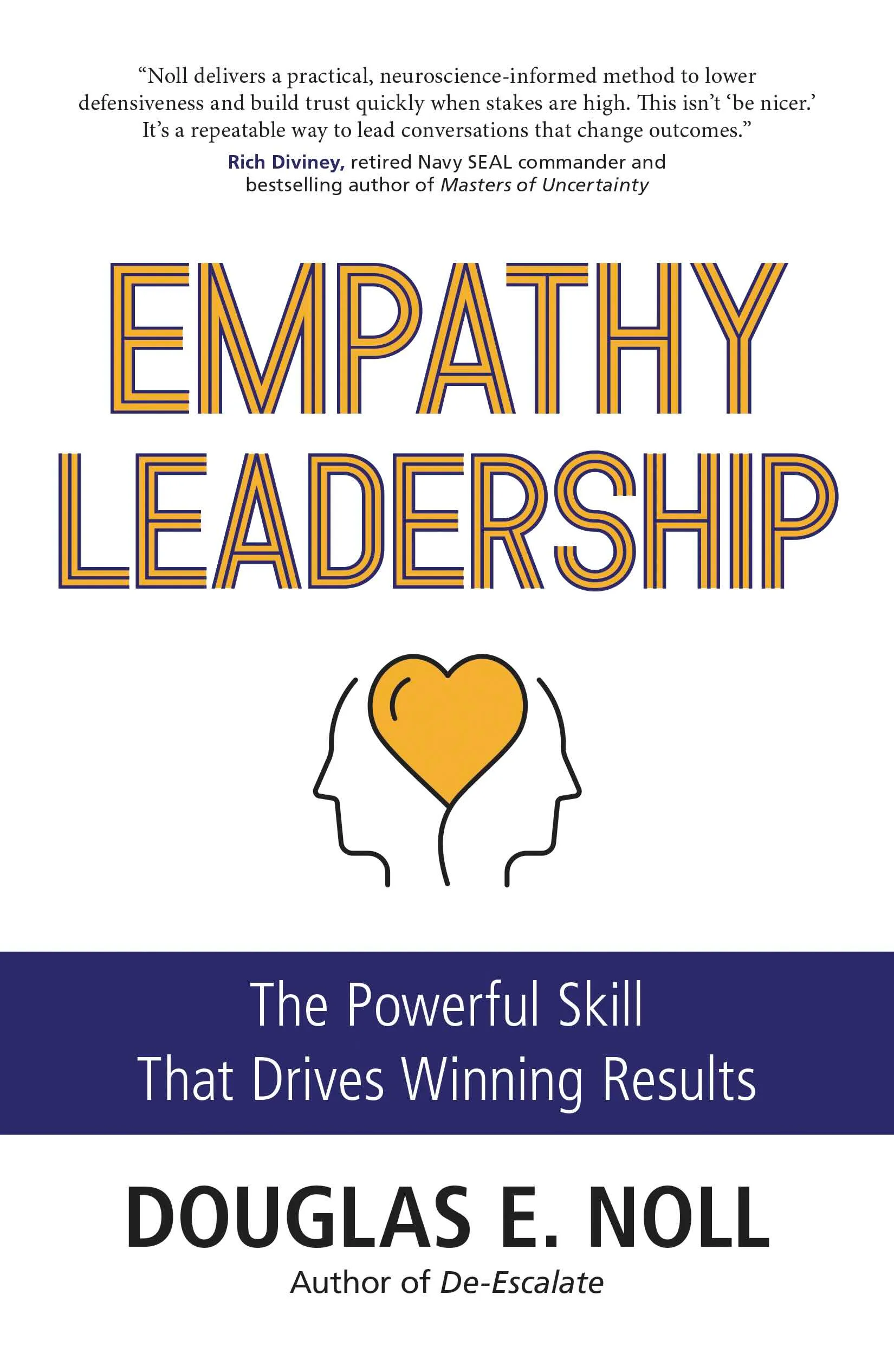
Doug Noll's new book Empathy Leadership: The Powerful Skill That Drives Winning Results covers the difference between compliance and adoption, and how to tell which one you have. Pre-order it on Amazon.
The two-meeting structure that fixes it
The single highest-return change to a hundred-day process costs one extra meeting and about ninety minutes.
Meeting one: the transition. No plan. No deck. The only agenda is what changes for the CEO personally now that the ownership has changed. What they are worried about. What they think the sponsor will get wrong. Which two or three things in the business have meaning attached to them beyond their economics.
That last question is the important one and it is almost never asked. Every founder-led business has two or three things that are not purely economic decisions. A location. A person. A product line that does not make money and never will. Knowing which ones they are is worth more than any single workstream, because you can concede one cheaply and the concession buys latitude across everything else.
Meeting two, a different day: the plan. Now the plan lands in a person who has been treated as a principal rather than an object, and the agreement you get is more likely to be real.
The diagnostic for whether you have adoption or compliance
Ask the CEO to present the plan back to their own leadership team, in their own words, without the sponsor in the room.
Then ask two of their directs, separately, what they took from it.
If the directs describe a plan the sponsor is running, you have compliance. If they describe a plan the CEO is running, you have adoption.
That distinction is worth more than any milestone tracker, and you can establish it in week three rather than week ten.
The general form
Value creation plans are built by people who are good at analysis and delivered into people who are experiencing a loss of control.
The analysis is rarely the constraint. The delivery almost always is, and delivery is a skill nobody teaches in a deal team.
For related reads, see Executive Function Beyond Reaction and Leadership Systems for People Problems.
If your hundred-day plan is technically on track and something feels wrong, book a no-obligation Zoom call with Doug Noll.
Emotional Competence Shapes Your Influence as a Leader
This 90-second emotional competence quiz will tell you how your emotions affect the way you are treated at work and how to gain the respect and influence you deserve as a leader.
Take the Free Assessment
Doug’s Books
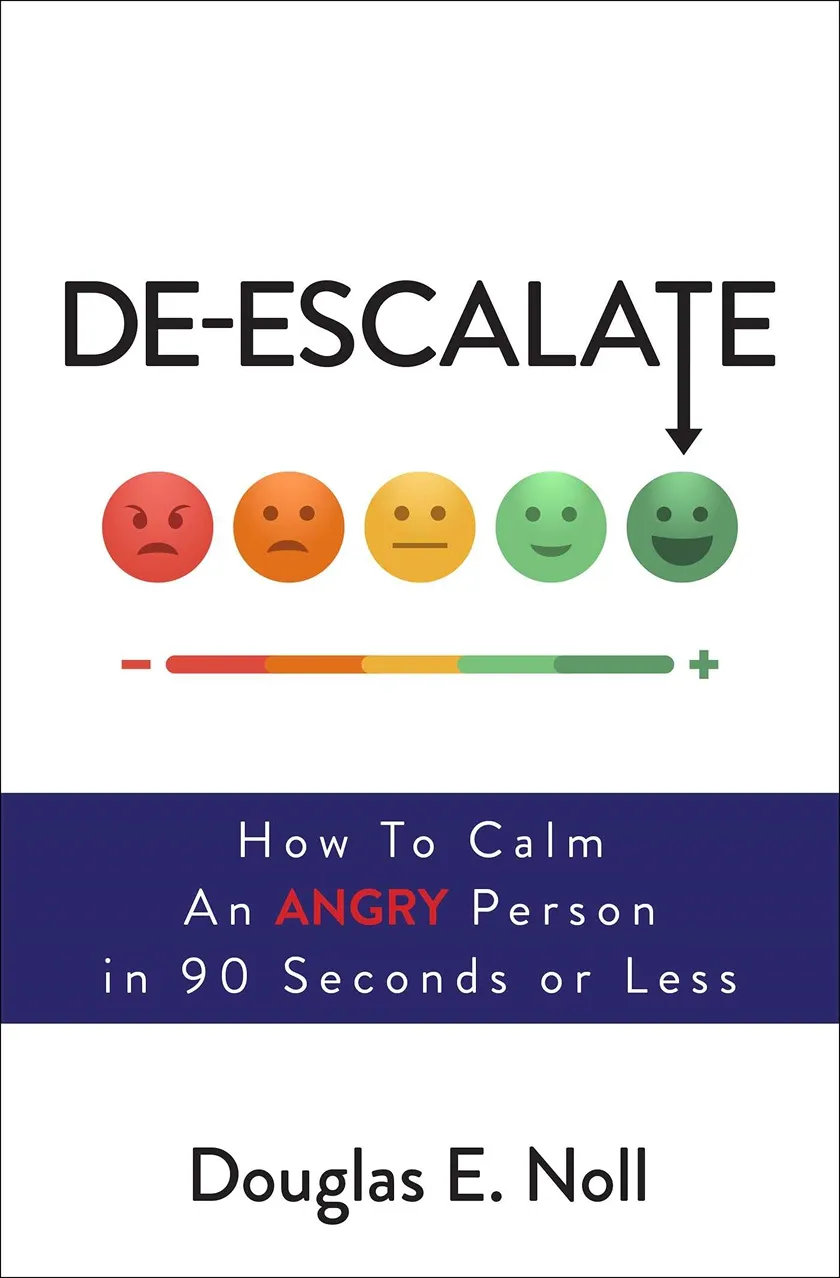
Doug has authored several books on affect labeling and emotional competency, including De-Escalate: How to Calm an Angry Person in 90 Seconds or Less, which won multiple awards and has been adopted by organizations worldwide.



More Blogs
View All

October 23, 2026
6 Powerful Reasons De-Escalation Training for Employees Doesn't Scale (and the Fix)
Read Blog

October 23, 2026
How Executive Dispute Mediation Actually Resolves a Board-Level Rupture
Read Blog

October 22, 2026
4 Critical Failures of Most Corporate Mediation (and the Approach That Works)
Read Blog