What Slow Meetings Cost a Company Per Quarter
%201.avif)

The COO had eleven people in the weekly leadership meeting. Ninety minutes each week. Twelve weeks in the quarter. Fully loaded cost per hour of each executive in the room.
He did the arithmetic on the plane. The direct cost of holding the meeting for one quarter was in the low six figures. That was the small number.
The larger number was the four significant decisions the meeting had discussed and not closed. He priced each of those. Two of them had cost the company real revenue in the current quarter because of the delay. One of them would compound into the next quarter. The fourth had become moot because the market had moved before the room decided.
The total on the plane napkin was seven figures. For a meeting that was, by all standard measures, well-run.
Why the room could not close
The meetings had clean agendas, disciplined timekeeping, and a facilitator. Every decision on the agenda got discussed. Almost none of them got closed.
The pattern was consistent. A decision would come up. Two executives would present the framing. The CEO would ask his questions. The room would circle. Someone would suggest they take it offline. The CEO would agree. The decision would be tabled.
The reason the room circled was that any position stated firmly in that room carried a specific cost. The CEO's questions were sharp. His follow-ups were sharper. Executives had learned that presenting a strong point of view was the same as agreeing to be walked through why the point of view was wrong. So they presented softer points of view. Softer points of view could not be argued against. They could also not be decided on.
The room had evolved a specific behavior to protect itself. That behavior was hedging. The amygdala reads hedging as safety. It also produces a room that cannot make decisions, because a decision requires a position, and a position is what the room had trained itself to avoid.
How much is one unresolved conflict really costing your company?
What the COO put in front of the CEO
He did not present the seven-figure number. He presented one specific decision that had been tabled three times.
The decision was whether to shut down a small business unit that had been underperforming for a year. His Head of Strategy had a clear view. She had not stated it firmly in any of the three meetings.
The COO asked her, in private, why. She said, "The last time I stated a firm position in that room, the CEO spent twenty minutes questioning me on it and then agreed with me at the end. The twenty minutes were expensive. It was easier to hedge."
The COO went to the CEO with two things. The seven-figure number and the sentence from the Head of Strategy. He put them next to each other on one page.
The CEO looked at the page for a long time. Then he said, "What do I do differently on Monday?"
The COO said one sentence. "Before you ask your first question, name what you think the person is worried you will say back."
The move is a form of affect labeling. Naming the anticipated response removes it as a threat. The person can then say what they came to say rather than the softened version they had prepared.
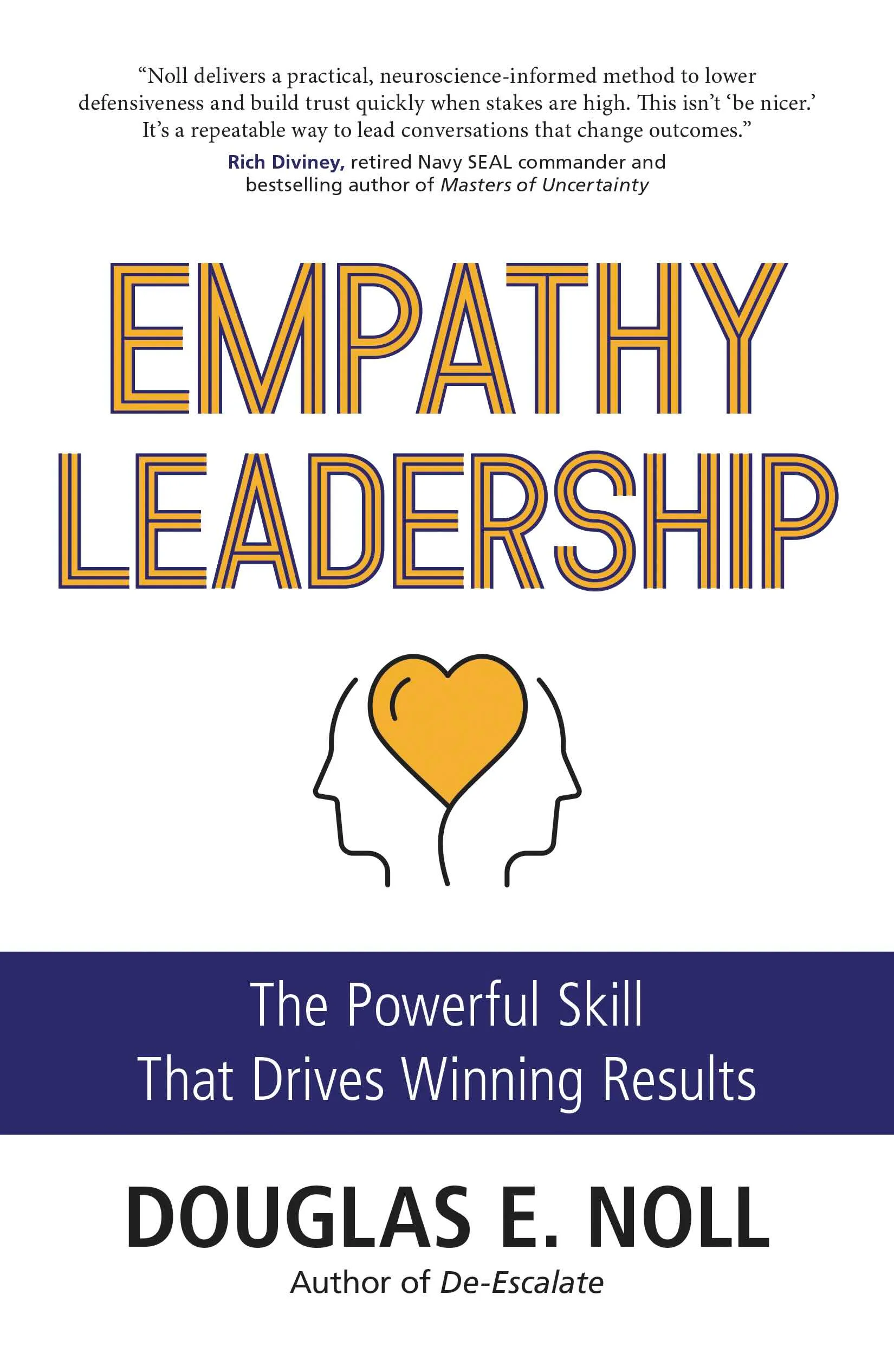
Doug Noll's new book Empathy Leadership: The Powerful Skill That Drives Winning Results lays out the specific moves leaders use to make their rooms decide rather than circle. See it here.
What the meetings looked like a quarter later
The meetings got shorter. The COO noticed it first. He also noticed that fewer decisions were being tabled.
The Head of Strategy stated a firm position in the second meeting after the CEO started the new practice. The CEO did not walk her through why she was wrong. He asked one clarifying question and closed the decision.
By the end of the following quarter, the leadership meeting was seventy-five minutes on most weeks. Two decisions per meeting were closing rather than one every three meetings.
The COO did not run the number again. He did not need to. The room had stopped costing what it had cost, and had started producing what it was supposed to produce.
Emotional Competence Shapes Your Influence as a Leader
This 90-second emotional competence quiz will tell you how your emotions affect the way you are treated at work and how to gain the respect and influence you deserve as a leader.
Take the Free Assessment
Doug’s Books
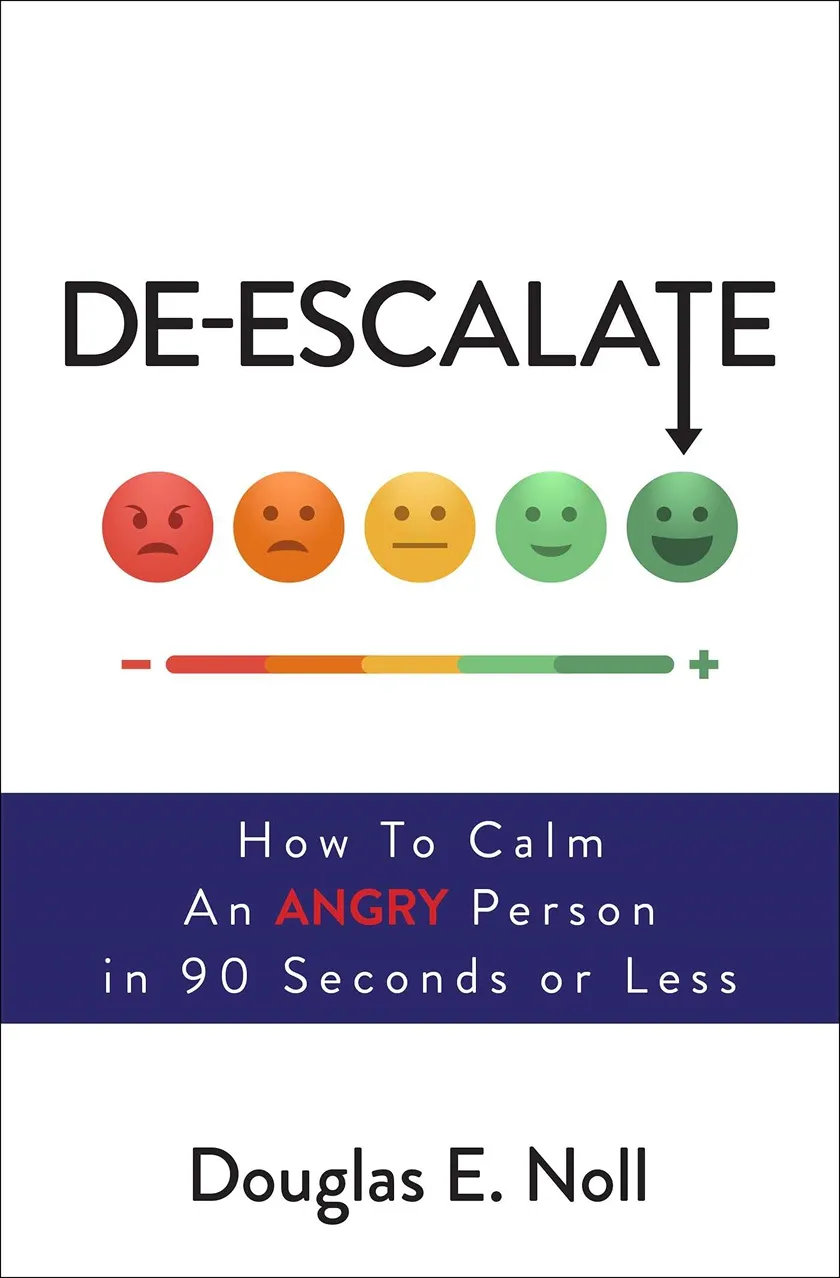
Doug has authored several books on affect labeling and emotional competency, including De-Escalate: How to Calm an Angry Person in 90 Seconds or Less, which won multiple awards and has been adopted by organizations worldwide.
More Blogs
View All
October 26, 2026
De-Escalation Training for Large Companies: 7 Shocking Reasons Yours Isn't Working
Read Blog

October 26, 2026
What Enterprise De-Escalation Programs Get Wrong: 5 Operational Fixes
Read Blog

October 23, 2026
6 Powerful Reasons De-Escalation Training for Employees Doesn't Scale (and the Fix)
Read Blog