How Two Sponsors Killed the Same Company With Different Playbooks
%201.avif)

The first sponsor bought it in 2016 and ran a growth playbook.
Hire ahead of revenue, expand the geographic footprint, invest in the platform, accept margin compression for two years to build a bigger business. Textbook, well-executed, and correct for the market at the time.
They sold in 2020 at a modest return, well below plan.
The second sponsor bought it and ran a discipline playbook. Consolidate the footprint, rationalise the platform, rebuild margin, grow more slowly off a stronger base. Also textbook, also well-executed, and also correct for the market at that time.
They wrote it down in 2023.
Two opposite strategies, both sound, both destroying value in the same business. That is the part worth explaining.
What both sponsors did identically
Both arrived with a plan built from the outside. Both presented it in the first month. Both installed a new CFO within the first two quarters. Both replaced the head of sales in year one.
And both, in their first ninety days, made the same specific mistake, which neither of them recorded anywhere because neither of them recognised it as an event.
They dismissed the same person.
Not fired. Dismissed, in the sense of not taking seriously. Her name was Ruth, she had run operations for eleven years, she was not impressive in a management presentation, and she knew exactly why the business worked.
The first sponsor's operating partner described her, in an internal note, as "capable but limited." The second sponsor's team did not write anything down but moved her out of the leadership meeting in month four.
What she knew
The business made money on a specific category of repeat contract that was not visible in the way revenue was reported. Roughly 40 percent of gross margin came from work that showed up in the data room as low-value and was in fact the reason customers stayed.
She had been managing that deliberately for eleven years. It was not in a document. It was in a set of judgments she made weekly about which jobs to take, which to decline, and which customers to over-serve at apparent short-term cost.
The growth playbook broke it by scaling the wrong category. The discipline playbook broke it by rationalising exactly the work that looked least efficient and was most retentive.
Both playbooks were correct in general and destructive in this specific business, and the only person who could have said so was in neither room by the time the decisions were made.
Why she never told them
She tried, once, in each ownership period.
Under the first sponsor she raised it in a leadership meeting in month five. The operating partner responded with a margin analysis showing that the category she was describing had the lowest gross margin in the portfolio of services. He was factually correct. She did not have the vocabulary to explain retention economics against a margin argument, and she was not senior enough to insist.
Under the second sponsor she raised it in her one-on-one with the new CEO in month two. He said he would look into it.
Two attempts across seven years, both handled politely, neither pursued.
She left in 2022 and now runs operations for a competitor that has taken four of the accounts.
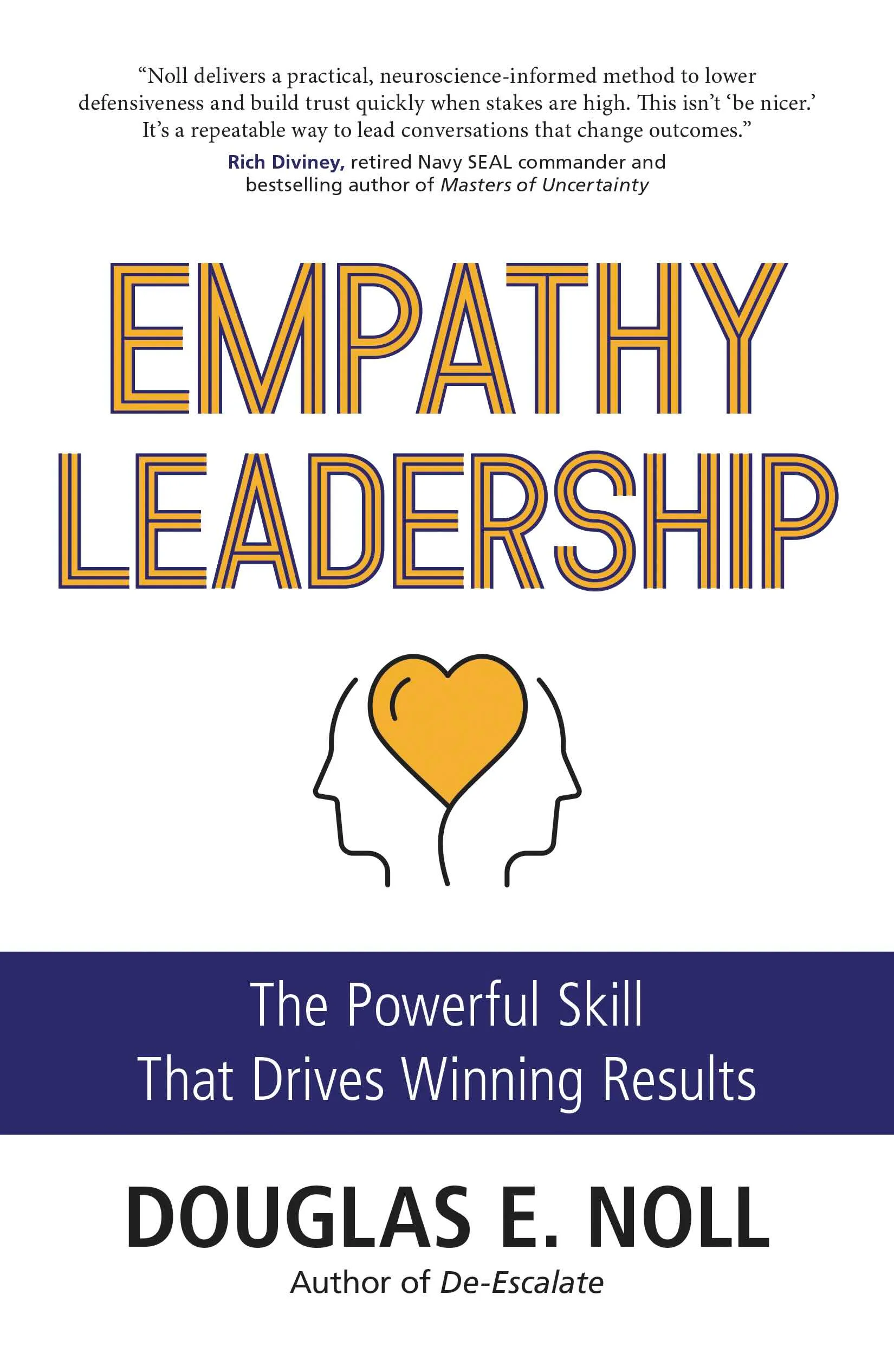
Doug Noll's new book Empathy Leadership: The Powerful Skill That Drives Winning Results covers why the most important information in a business is usually held by someone with no standing to deliver it. Pre-order it on Barnes & Noble.
The general failure
Both sponsors were doing value creation correctly by the standards of the discipline. Diagnose, plan, staff, execute, measure.
The discipline has a structural blind spot. It privileges information that arrives in a format the deal team can process, from people the deal team recognises as credible, at moments when the deal team is asking.
Ruth's information arrived informally, from someone who presented poorly, at a moment when nobody was asking. It was the single most valuable fact about the business and it was structurally unreceivable.
This is not a failure of intelligence. Both teams were smart. It is a failure of the information environment they created, and they created it in the first thirty days, the same way, twice.
The question that would have surfaced it
In the first month, ask every person who has been at the company more than five years, individually:
"What do you know about why this business works that would not be obvious from the outside?"
Not "what are your challenges." Not "where do you see opportunity." Those questions produce the answers people think you want.
That specific question presupposes tacit knowledge and asks for it directly. In most businesses with any operating history, two or three people have something material, and none of them have ever been asked.
It takes an hour per person. It is the cheapest diligence available and almost nobody runs it post-close.
For related reads, see Leadership Systems for People Problems and Executive Function Beyond Reaction.
If you own a business that has resisted two competent strategies, book a no-obligation Zoom call with Doug Noll.
Emotional Competence Shapes Your Influence as a Leader
This 90-second emotional competence quiz will tell you how your emotions affect the way you are treated at work and how to gain the respect and influence you deserve as a leader.
Take the Free Assessment
Doug’s Books
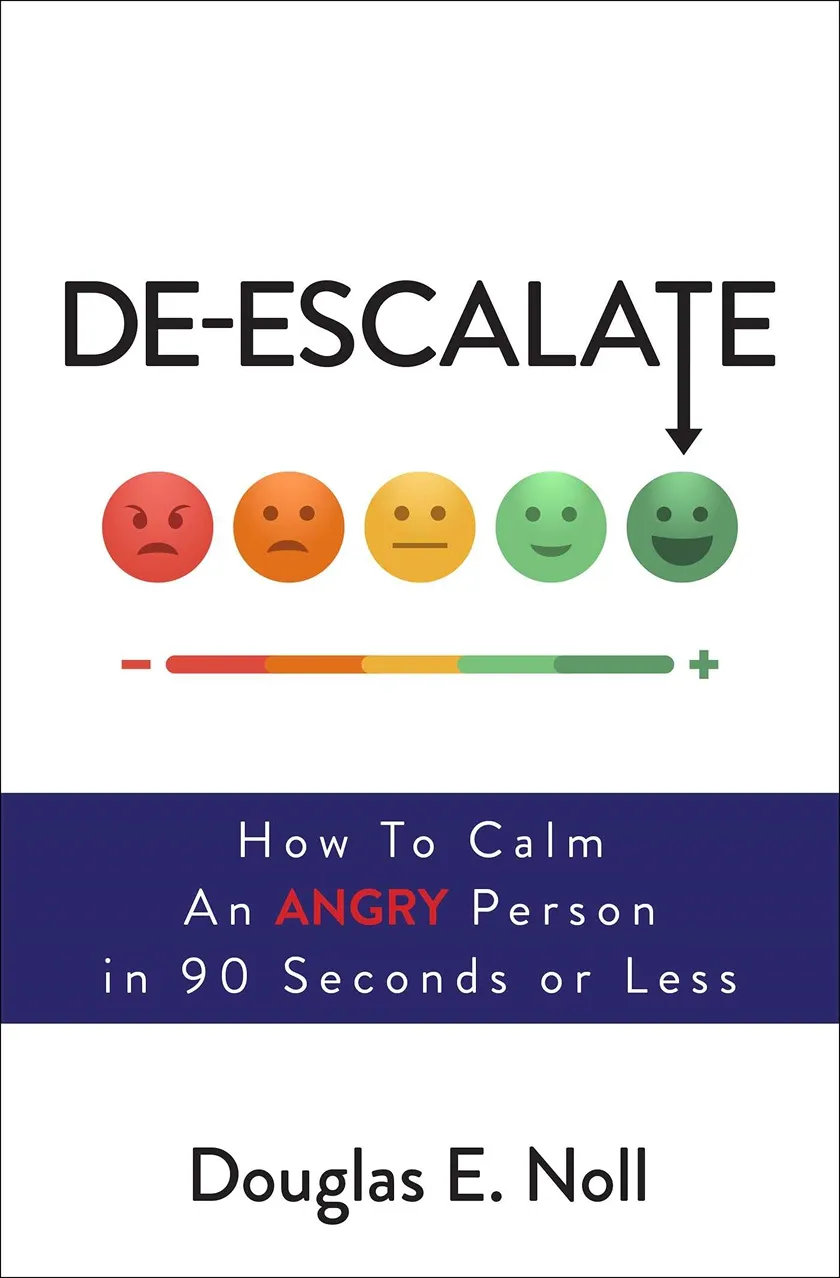
Doug has authored several books on affect labeling and emotional competency, including De-Escalate: How to Calm an Angry Person in 90 Seconds or Less, which won multiple awards and has been adopted by organizations worldwide.
More Blogs
View All