The Real Conversation Now Happens After the Meeting Ends
%201.avif)

The CEO left the leadership meeting feeling good about it. Agenda covered, decisions made, no obvious tension. He walked back to his office to prepare for a board call.
He forgot his coffee cup in the conference room. Ten minutes later he went back for it. Four of his direct reports were still in the room. They were not tidying up. They were having the meeting.
He stood in the doorway. His CFO stopped mid-sentence. His Head of Sales looked at the floor. The head of engineering, who almost never spoke in the meeting he had just left, was standing at the whiteboard with a marker.
He said, "Please. Keep going." Nobody kept going.
He walked back to his office and closed the door and sat for a long time.
What the second meeting means
The second meeting exists in most leadership teams that have run together for more than a year. Sometimes it is in a hallway. Sometimes it is a Slack channel the CEO is not in. Sometimes it is a standing coffee between two VPs on Tuesday mornings.
The second meeting is where the actual thinking happens. It is where people say the thing they thought of during the first meeting but did not say. It is where the CFO tells the head of engineering the number nobody was willing to raise in front of the CEO. It is where an objection to the strategy gets voiced, then decided in ten minutes to bury.
The second meeting is not disloyalty. It is nervous system logic. When the first meeting carries even a small risk of being corrected in front of peers, the brain routes anything sensitive to a lower-risk environment. Everyone does this. The amygdala is not sophisticated enough to distinguish between a raised eyebrow from the CEO and a physical threat. It codes both as costly and adjusts behavior accordingly.
The second meeting means the first meeting has become emotionally expensive. Nothing more, nothing less.
How much is one unresolved conflict really costing your company?
What the CEO did next
He did not confront anyone. He did not send a message about candor. He did not add a value to the wall.
The following Monday, he opened the meeting with one sentence. "I know there is a second meeting after this one. I have been the reason it exists. I want to talk about that."
The room was silent. His CFO, who had been in the hallway the previous week, said, "How did you know?" And the CEO told the truth. He said he had walked back for his coffee.
He then did the harder thing. He asked, "What do you talk about there that you do not talk about here?" And he waited. For a full three minutes he waited without filling the silence. Eventually his Head of Sales spoke. She named one specific decision from two weeks ago that the room had agreed to and none of them believed in. Then his CFO added a second. Then his head of engineering added a third.
The CEO wrote nothing down. He listened. When they were done he said, "Thank you. I am not going to defend any of these right now. Let us come back to them next week."
That was the move. Not the strategy discussion that followed. The naming of the pattern, out loud, without punishment.
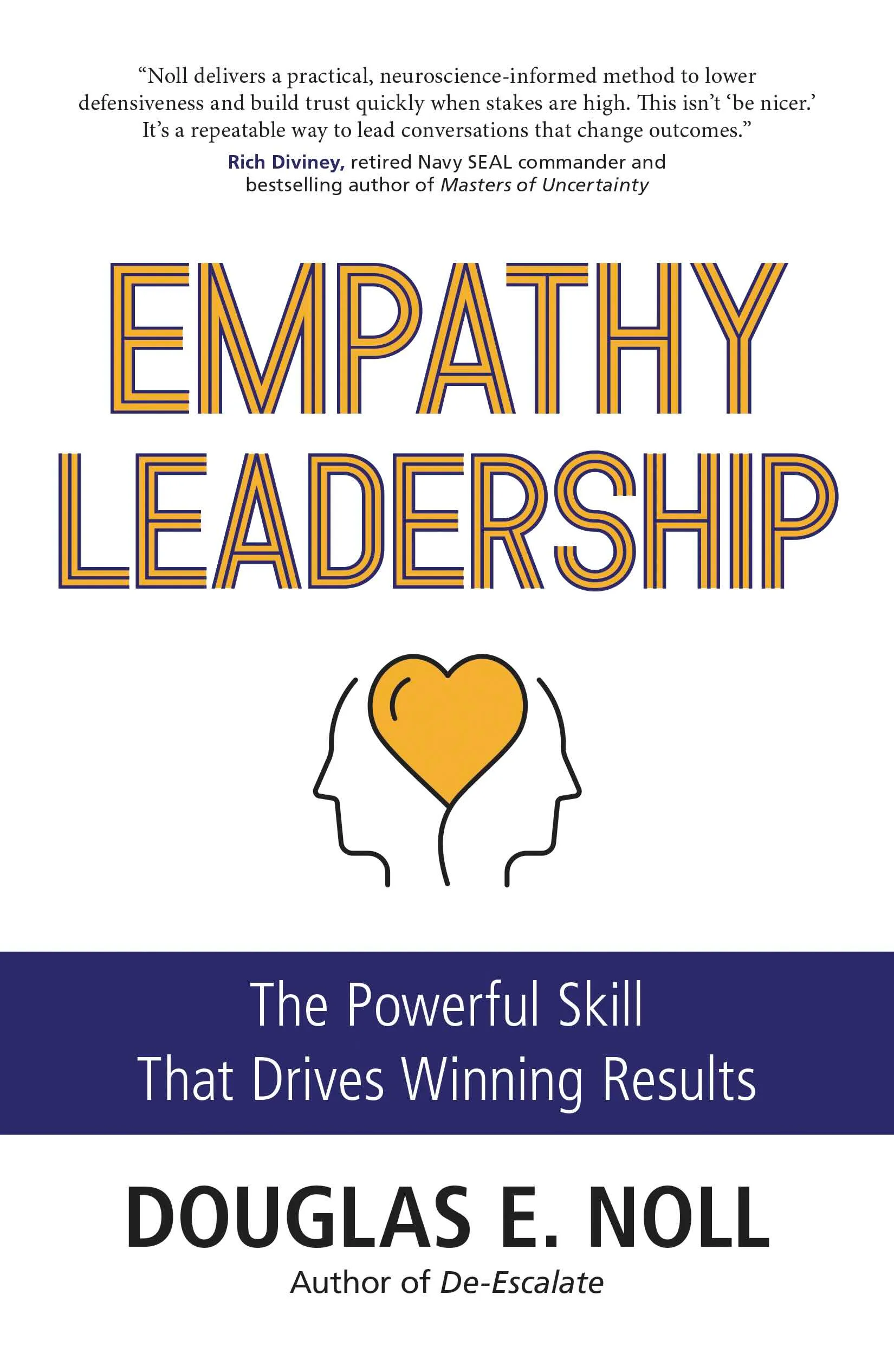
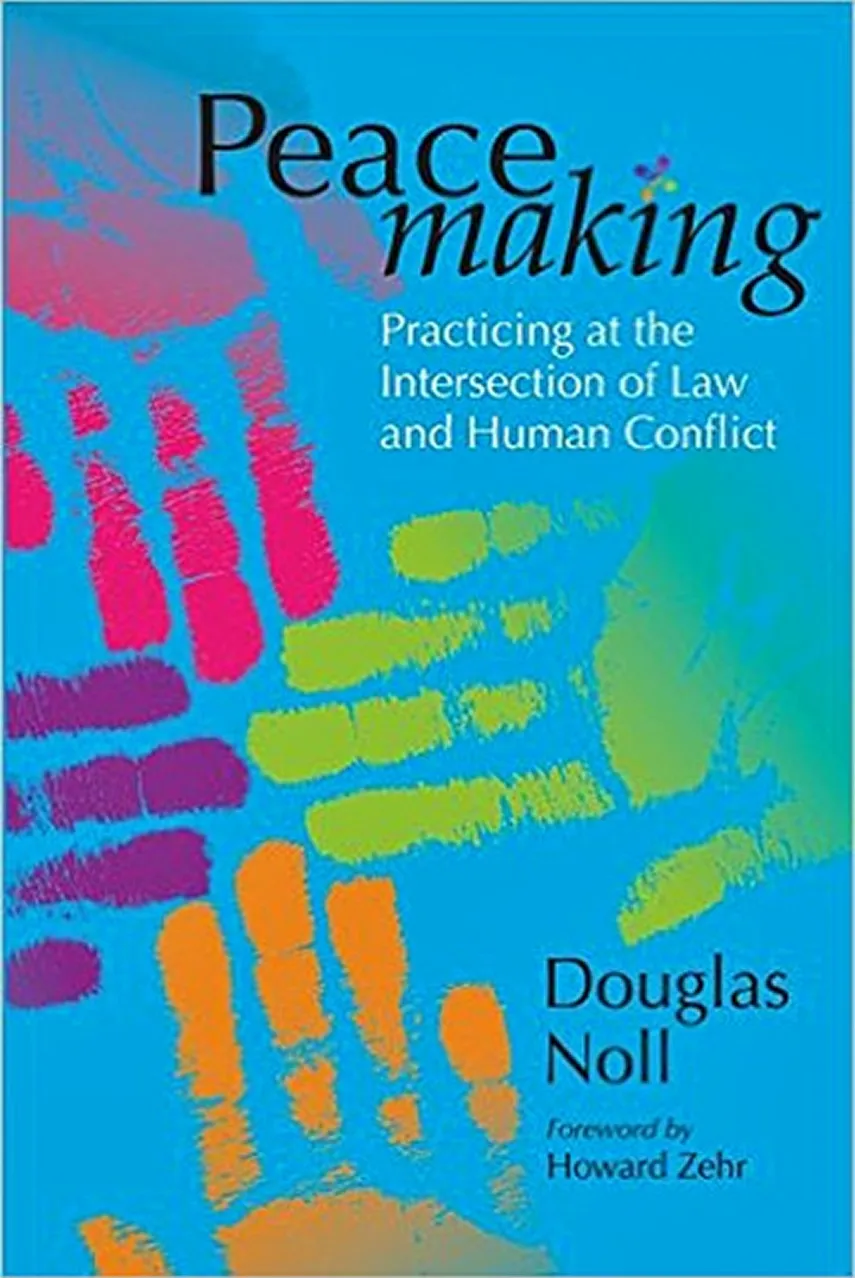
Doug Noll's new book Empathy Leadership: The Powerful Skill That Drives Winning Results lays out the protocol CEOs use to close the gap between the room they run and the room that runs after them. See it here.
What closed the gap
The second meeting did not disappear the following week. It took roughly two months. Two months of the CEO running the first meeting in a way that made the second meeting slowly redundant.
He stopped finishing his executives' sentences. He stopped restating their points in his own words. When someone disagreed with him, he said, "Say more about that," and then let them.
The tell that it was working came at the end of the third month. His CFO raised an objection to a hiring plan the CEO had proposed. She raised it in the room. Not in the hallway afterwards.
The second meeting was never officially cancelled. It just stopped being necessary.
Emotional Competence Shapes Your Influence as a Leader
This 90-second emotional competence quiz will tell you how your emotions affect the way you are treated at work and how to gain the respect and influence you deserve as a leader.
Take the Free Assessment
Doug’s Books
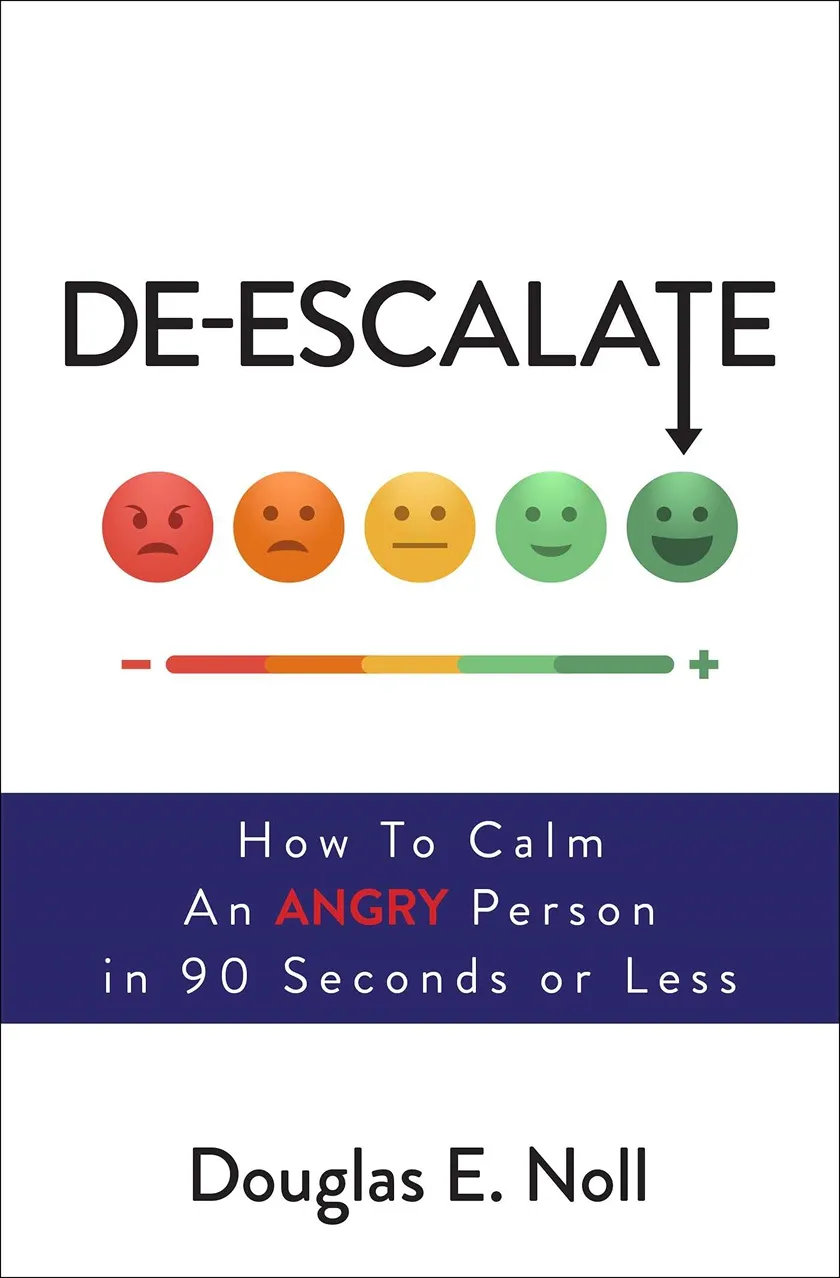
Doug has authored several books on affect labeling and emotional competency, including De-Escalate: How to Calm an Angry Person in 90 Seconds or Less, which won multiple awards and has been adopted by organizations worldwide.