Money Spent Last Year on People Who Were Already Gone
%201.avif)

The resignation letter arrived on a Tuesday. The CFO's first reaction was surprise, then, looking back through the man's last twelve months of output, something closer to recognition. The output had been declining steadily for almost a full year. Nobody had flagged it as a resignation risk. Everyone had just assumed he was having a slow stretch.
The CFO pulled the team lead's calendar, ticket velocity, and performance notes from the last four quarters and laid them side by side. The decline started at almost the exact week of a reorg where the team lead had been passed over for a promotion he had been told, informally, he was the front-runner for.
From that week forward, his output had dropped by roughly a third and never recovered. He had stayed on payroll, full salary, full benefits, for eleven more months, doing meaningfully less than he had before.
What eleven months of quiet disengagement actually costs
The CFO ran the number the way he would run any other line item. Eleven months at a third-reduced output, at his fully loaded salary, came out to nearly four months of fully paid, fully wasted compensation. That number did not include the work his team absorbed to cover the gap, work that had shown up elsewhere on the books as unexplained overtime.
It also did not include the two junior engineers on his team who had, in exit interviews of their own six months later, described watching their lead "check out" and losing confidence in the team's direction as a result. Disengagement is not contained to the person experiencing it. It radiates to whoever reports to that person, at a discount but not at zero.
The full number, once the CFO widened the frame past one salary, was larger than the cost of the resignation itself would have been if it had happened immediately after the reorg instead of eleven months later.
How much is one unresolved conflict really costing your company?
What made the disengagement invisible for so long
Nobody had checked in on the team lead directly after the reorg decision. The company had a policy of moving quickly past promotion disappointments, on the theory that dwelling on them made things worse. In practice, moving quickly past it meant nobody ever acknowledged the disappointment out loud, and the team lead never got the chance to hear it named.
An unacknowledged disappointment does not resolve itself. It gets absorbed by the nervous system, and the absorption shows up later as reduced discretionary effort, the small extra pushes a person makes when they still believe the effort is seen and matters. The team lead had not decided to disengage. His motivation had quietly withdrawn on its own once the promotion conversation ended without anyone naming what he was actually feeling.
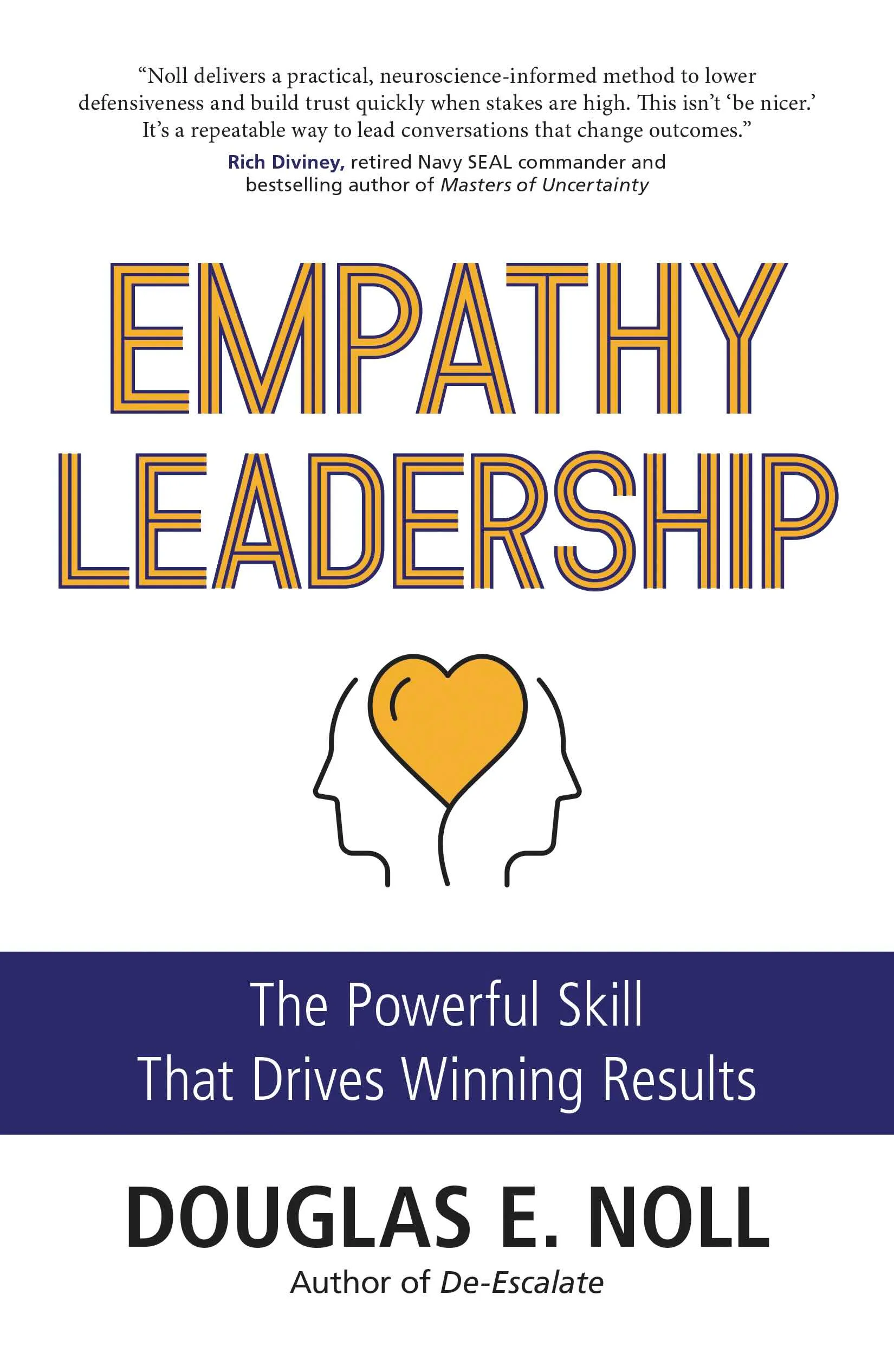
Doug Noll's new book Empathy Leadership: The Powerful Skill That Drives Winning Results lays out why an unacknowledged disappointment costs a company far longer than the conversation it would have taken to name it. See it here.
What the CFO changed about the promotion process
He asked HR to build one mandatory step into every promotion decision going forward: a direct, private conversation with anyone who was seriously considered but not chosen, where the manager names what that person is likely feeling before explaining the decision.
It is a small process change with no cost attached beyond a manager's time. The first person it applied to, six months later, stayed at the company, took a lateral role on a different team, and is currently one of its stronger performers. The CFO checks that number now the way he checks any other retention metric, quietly, in the background, before it becomes a resignation letter.
Emotional Competence Shapes Your Influence as a Leader
This 90-second emotional competence quiz will tell you how your emotions affect the way you are treated at work and how to gain the respect and influence you deserve as a leader.
Take the Free Assessment
Doug’s Books
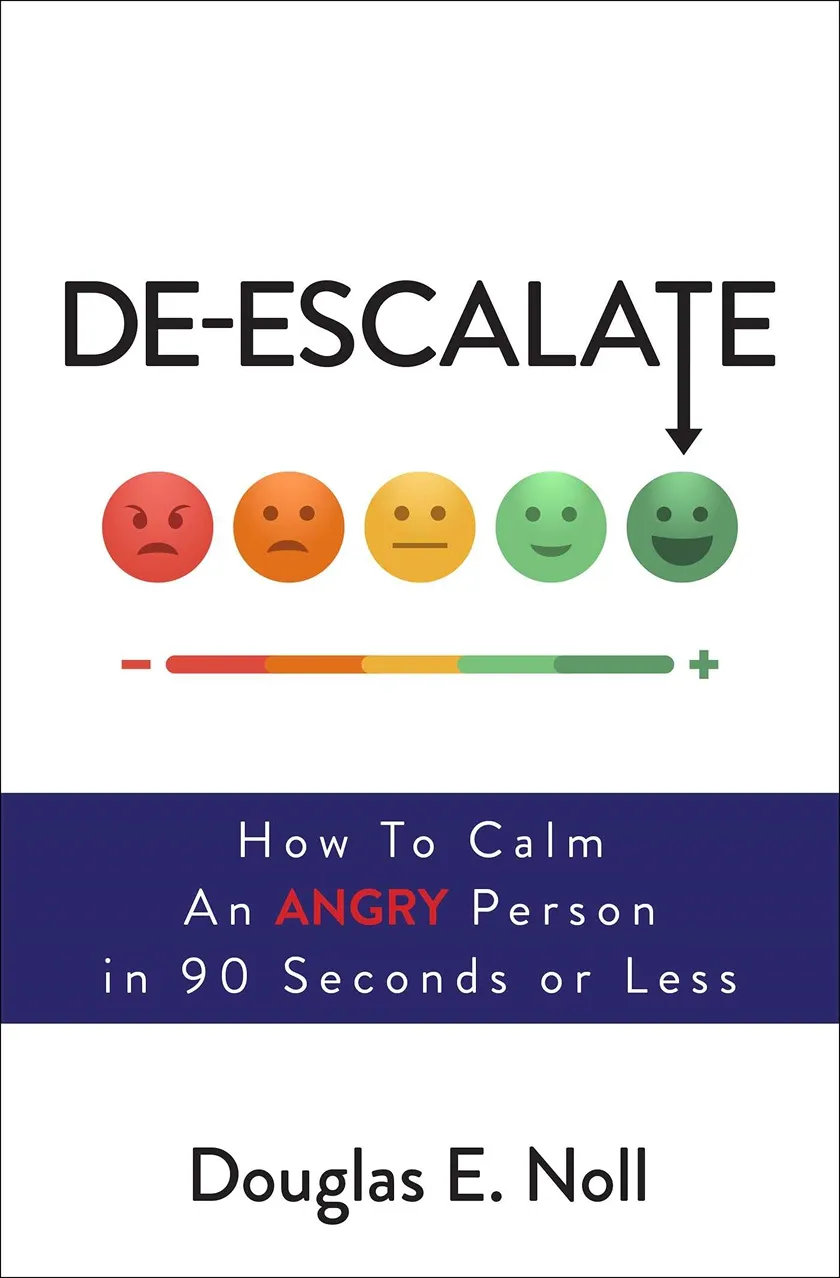
Doug has authored several books on affect labeling and emotional competency, including De-Escalate: How to Calm an Angry Person in 90 Seconds or Less, which won multiple awards and has been adopted by organizations worldwide.
.jpg)