She Married In. The Family Never Forgave Her for Being Right.
%201.avif)

She had been married into the family for nine years when she said the thing.
The context was a strategy session about the retail division. Twenty-two locations, declining foot traffic for six consecutive quarters, and a turnaround plan that had already been extended twice.
She said, "I think we should be modelling what an exit looks like, in parallel, so we are not making this decision in eighteen months under pressure."
The room went cold in a way that had nothing to do with the content.
Her father-in-law said, "We are not selling my father's stores." Her husband said nothing. Her sister-in-law changed the subject with a warmth that was worse than an argument.
Nobody spoke to her about it afterward. At the next quarterly she was not on the agenda.
Twenty-two months later they sold the retail division under pressure, at a valuation roughly forty percent below where a planned process would have landed it.
Nobody has ever mentioned that she said it first.
The specific position of the person who marries in
The in-law occupies a role with no defined authority and no protective membership.
They have enough access to see the business clearly. They frequently have relevant professional experience, which is often why the family respects them in the abstract. And they have precisely zero standing to say anything that touches the family's relationship with its own history.
A blood family member who proposes selling the founder's stores is making a business argument that carries a cost. An in-law who proposes it is understood, at a level nobody articulates, to be making a claim about what the family is.
The content is identical. The reception is not remotely.
Why "difficult" is the word that always gets used
She was described as difficult within about six months of that meeting. Not to her face. In the way these things travel, which is through a series of small qualifications attached to her name in conversations she is not present for.
"Difficult" is the word families reach for when someone has said something true that the family is not ready to metabolize. It has a specific function: it converts a threatening idea into a personality trait, which means the idea no longer has to be evaluated.
Once the label attaches, everything she said afterward was pre-discounted. She could not get a hearing on anything, including things that had nothing to do with the retail division.
This is emotional invalidation operating at the level of an entire system rather than a single conversation. Nobody dismissed her explicitly. Everybody stopped weighting her.
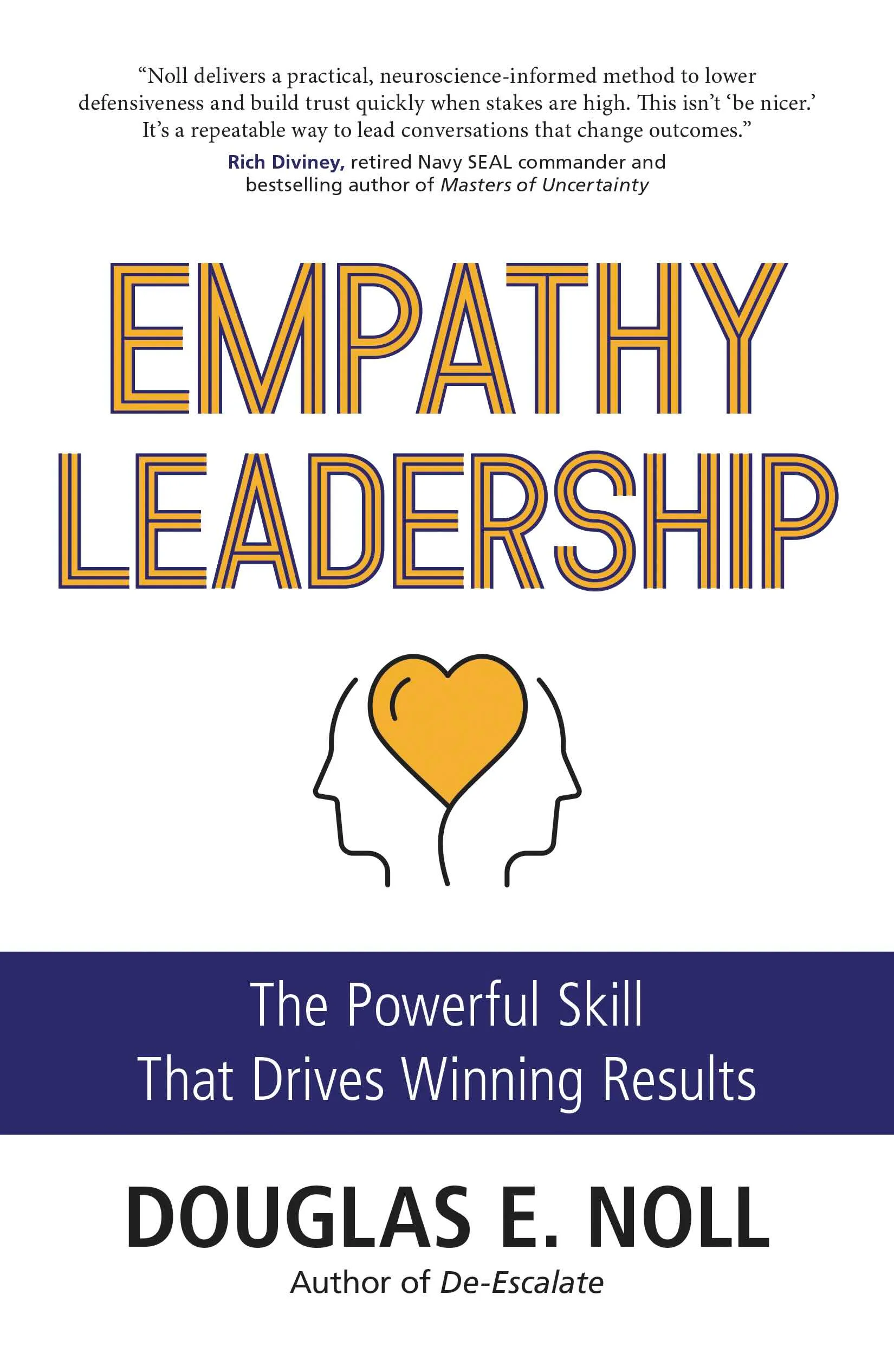
Doug Noll's new book Empathy Leadership: The Powerful Skill That Drives Winning Results covers how organisations discount the people who are most useful to them and how to interrupt it. Pre-order it on Books-A-Million.
What she could have done differently
This is the uncomfortable part, because the burden should not be hers and in practice it is.
The content of her proposal was correct. The sequencing was wrong.
What she needed to do before the proposal was name what the proposal touched. Two sentences.
"I want to raise something and I am aware that I am the person in this room with the least right to raise it, because these are your grandfather's stores and they are not mine in the way they are yours. I am going to say it anyway because I think somebody has to."
That does not make her right. It does something more useful. It demonstrates that she understands what she is stepping on, which is the only thing that makes stepping on it survivable.
Families do not primarily reject in-law proposals because they disagree. They reject them because the proposal arrives without evidence that the proposer understands what it costs the family to hear it.
What the family could have done
An external chair, or any single family member with standing, could have changed the entire outcome with one sentence in the room that day.
"That is a hard thing to hear and I think it is a fair question."
Eleven words. It would not have committed anyone to anything. It would have kept the idea alive long enough to be evaluated on its merits rather than dismissed on its source.
Nobody said it. Her husband, in particular, did not say it, and that is its own story which took them three years and some professional help to work through.
For related reads, see Emotional Invalidation and Top Talent and Validation vs Agreement.
The test for your own family enterprise
Think of the last time an in-law raised something substantive and it went nowhere.
Then ask whether it went nowhere because it was wrong, or because of who said it.
If you cannot immediately tell the difference, you have a governance problem that no document addresses, and you are almost certainly paying for it somewhere in the business.
If your family enterprise systematically discounts its most objective observers, book a no-obligation Zoom call with Doug Noll.
Emotional Competence Shapes Your Influence as a Leader
This 90-second emotional competence quiz will tell you how your emotions affect the way you are treated at work and how to gain the respect and influence you deserve as a leader.
Take the Free Assessment
Doug’s Books
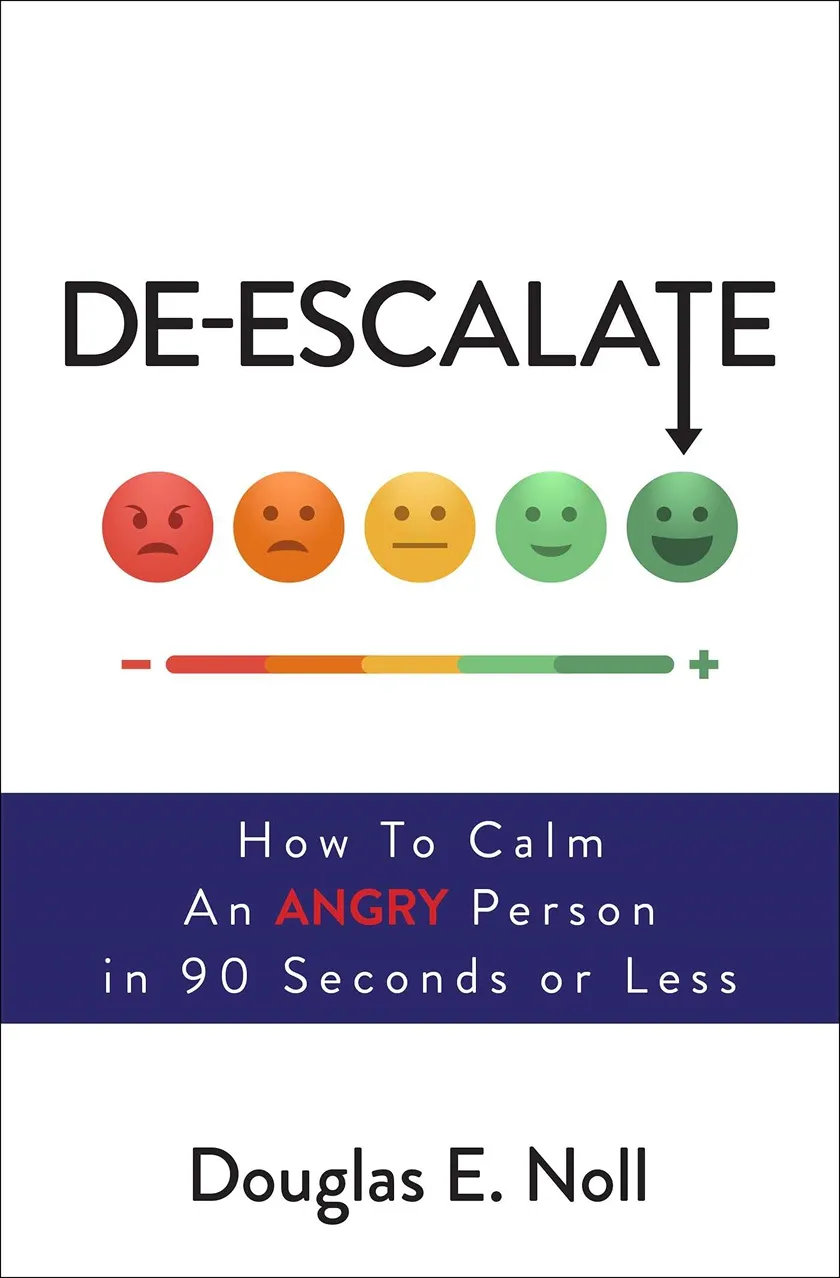
Doug has authored several books on affect labeling and emotional competency, including De-Escalate: How to Calm an Angry Person in 90 Seconds or Less, which won multiple awards and has been adopted by organizations worldwide.