Leadership Systems A Process for “People Problems”
%201.avif)

Most executives waste hundreds of hours solving the same interpersonal issues repeatedly.
One manager struggles with accountability.
Another avoids conflict.
A team member becomes defensive.
A high performer burns out.
Leadership steps in manually every time.
If senior leaders spend 8 hours weekly managing recurring “people problems” at a blended cost of $250 per hour, that equals $104,000 annually.
Across an executive team of 6, the cost exceeds $600,000.
That is before turnover, delays, or disengagement costs appear.
Most organizations do not have people problems.
They have system failures around emotional regulation.
The diagnosis
You believe people problems are individual problems.
You treat each conflict, burnout case, or communication issue as isolated.
So leadership intervenes emotionally every time.
The same patterns repeat because the organization lacks a process for regulating threat consistently.
Every “people problem” begins biologically.
Someone feels:
- Dismissed
- Threatened
- Overlooked
- Uncertain
- Humiliated
- Powerless
The amygdala activates.
Cortisol rises.
The prefrontal cortex, responsible for reasoning, accountability, and collaboration, loses efficiency.
Now behavior changes.
Defensiveness appears.
Avoidance increases.
Communication deteriorates.
Leaders attack the behavior instead of regulating the nervous system underneath it.
The problem recurs.
The four failures in most leadership systems
1. The personality diagnosis trap
Organizations label people quickly.
“Difficult.”
“Emotional.”
“Negative.”
“Not resilient.”
Labels feel efficient.
They are neurologically useless.
Behavior under threat changes rapidly depending on emotional safety.
You are often diagnosing activation, not personality.
2. The reactive intervention model
Most leadership systems intervene after escalation.
After burnout.
After conflict.
After attrition risk appears.
Late intervention multiplies cost.
If one unresolved team conflict reduces productivity by 10 percent across a $3 million department, that equals $300,000 annually.
Reactive leadership is expensive leadership.
3. The logic-first failure
Organizations default to policies, coaching frameworks, and performance conversations while the nervous system remains activated.
Activated brains cannot process feedback effectively.
More logic during threat increases resistance.
4. The leadership inconsistency problem
Different managers regulate differently.
One escalates emotionally.
One avoids tension.
One overhelps.
The organization becomes emotionally unpredictable.
Unpredictability increases baseline cortisol across teams.
High cortisol environments lose trust, speed, and creativity.
The neuroscience of people systems
The amygdala evaluates social threat continuously.
Threat includes criticism, exclusion, unpredictability, and perceived unfairness.
When threat remains unresolved:
- Cortisol stays elevated.
- Listening declines.
- Collaboration weakens.
- Defensive behavior increases.
The prefrontal cortex functions best under emotional safety.
High performing organizations regulate nervous systems systematically, not accidentally.
People problems are rarely random.
They are repeated activation patterns inside unstable emotional systems.
The counterintuitive process
Stop solving behavior first.
Build a repeatable regulation process.
Step 1. Identify activation early
Watch for tone shifts, withdrawal, sarcasm, defensiveness, or repetitive arguments.
These are threat indicators.
Not personality defects.
Step 2. Label emotion precisely
Do not debate content immediately.
Say:
“You seem frustrated.”
Pause.
Or:
“You are concerned about how this affects you.”
Pause.
Short. Declarative. Precise.
No analysis.
No fixing.
Accurate emotional labeling reduces amygdala activation and lowers cortisol.
Step 3. Restore cognitive function
Once emotional intensity decreases, ask:
“What outcome are you trying to protect?”
Or:
“What feels most important here?”
Now the prefrontal cortex can engage again.
Step 4. Move into accountability
Only after regulation do you discuss standards, decisions, or corrective action.
Now accountability lands without triggering survival mode.
If a standardized emotional regulation process reduces turnover by just 2 senior employees costing $300,000 each to replace and improves productivity by 5 percent across a $10 million payroll, the financial return exceeds $1.1 million.
Most companies build systems for finance, operations, and sales.
Very few build systems for human threat regulation.
That is why “people problems” keep returning.
The issue is not the people.
It is the operating system.
Emotional Competence Shapes Your Influence as a Leader
This 90-second emotional competence quiz will tell you how your emotions affect the way you are treated at work and how to gain the respect and influence you deserve as a leader.
Take the Free Assessment
Doug’s Books
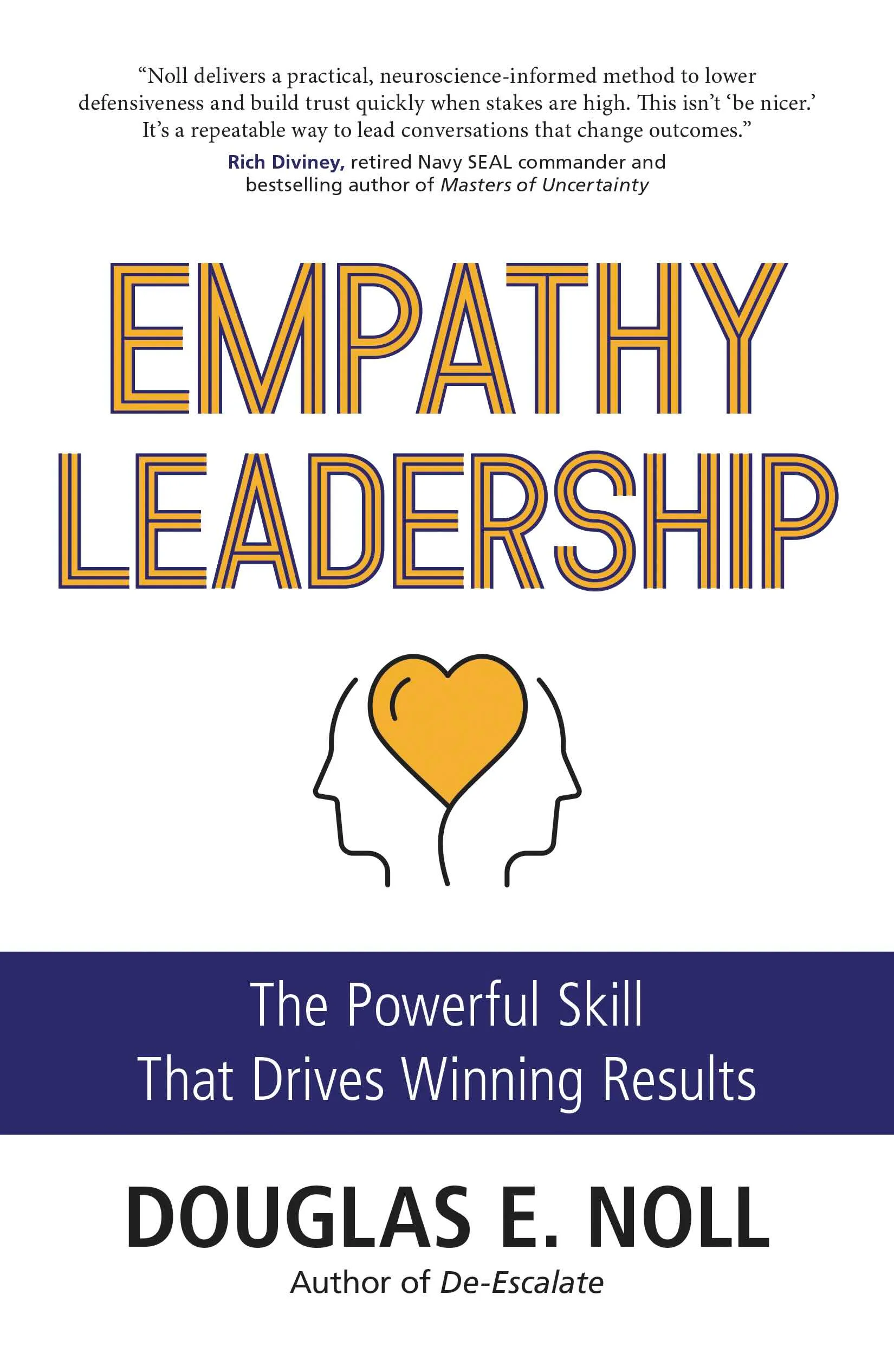
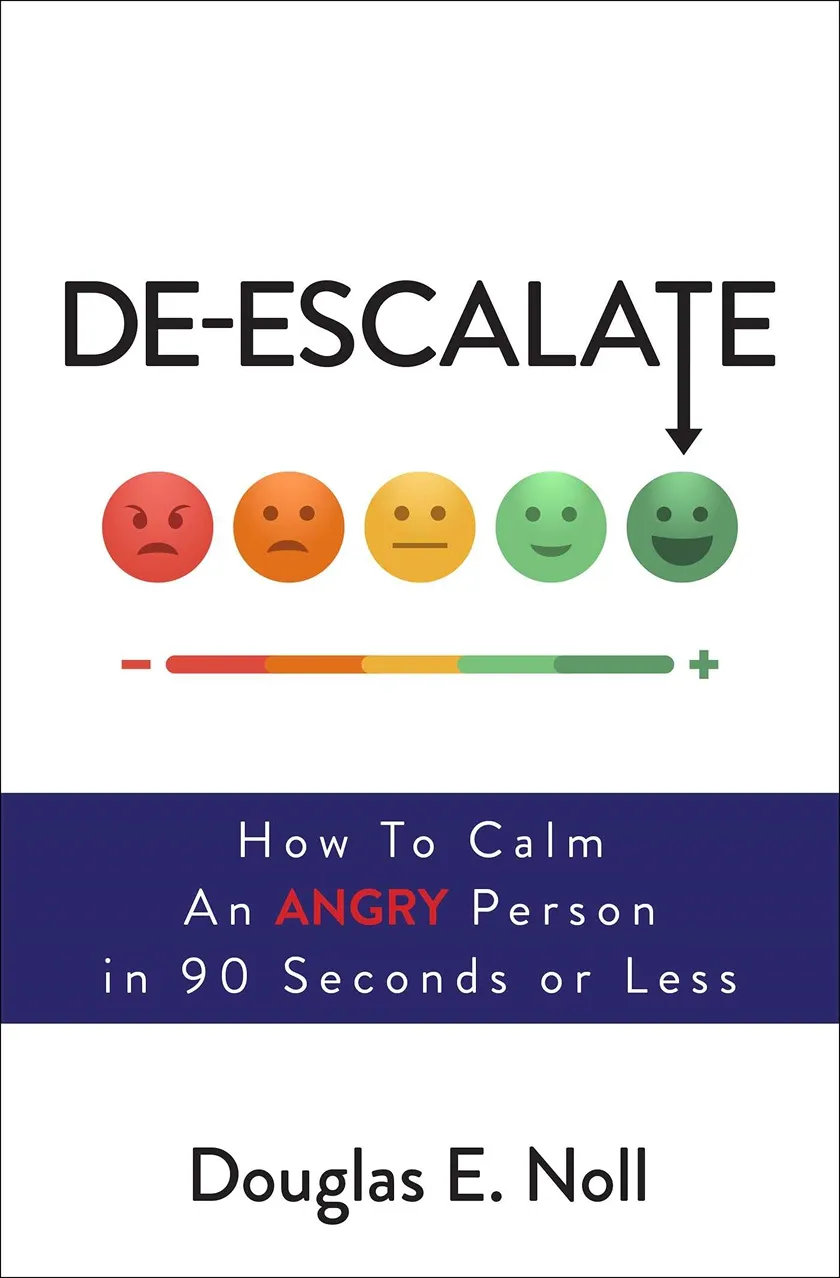
Doug has authored several books on affect labeling and emotional competency, including De-Escalate: How to Calm an Angry Person in 90 Seconds or Less, which won multiple awards and has been adopted by organizations worldwide.



More Blogs
View All

October 23, 2026
6 Powerful Reasons De-Escalation Training for Employees Doesn't Scale (and the Fix)
Read Blog

October 23, 2026
How Executive Dispute Mediation Actually Resolves a Board-Level Rupture
Read Blog

October 22, 2026
4 Critical Failures of Most Corporate Mediation (and the Approach That Works)
Read Blog