Crisis Management: A 90-Second Protocol for Chaos
%201.avif)

A crisis does not become expensive when the problem appears.
It becomes expensive when people panic.
If a leadership team spends 3 hours in emotional chaos before stabilizing direction, and the room costs $5,000 per hour, that is $15,000 gone before action begins.
If panic delays containment by one day on a $10 million revenue line, the loss can cross six figures.
The first 90 seconds determine the cost curve.
This is the Crisis Tax.
The diagnosis
You believe crisis management starts with decisions.
It does not.
It starts with nervous system regulation.
When bad news hits, the amygdala activates instantly.
Cortisol rises.
The prefrontal cortex, responsible for prioritization, restraint, and strategic judgment, loses efficiency.
People interrupt.
Blame starts.
Information fragments.
Options narrow.
The team looks busy.
It is biologically disorganized.
Logic cannot lead until the room is regulated.
The four mistakes that make crisis worse
1. The immediate blame reflex
Leaders ask, “Who caused this?”
That question activates threat across the room.
People protect themselves instead of sharing facts.
Containment slows.
2. The information flood
Everyone starts reporting details at once.
More information does not create clarity when cortisol is high.
It creates overload.
Overload delays prioritization.
3. The authority performance
The senior leader becomes forceful to regain control.
Volume increases.
Speed increases.
Threat increases.
The room mirrors the leader’s stress.
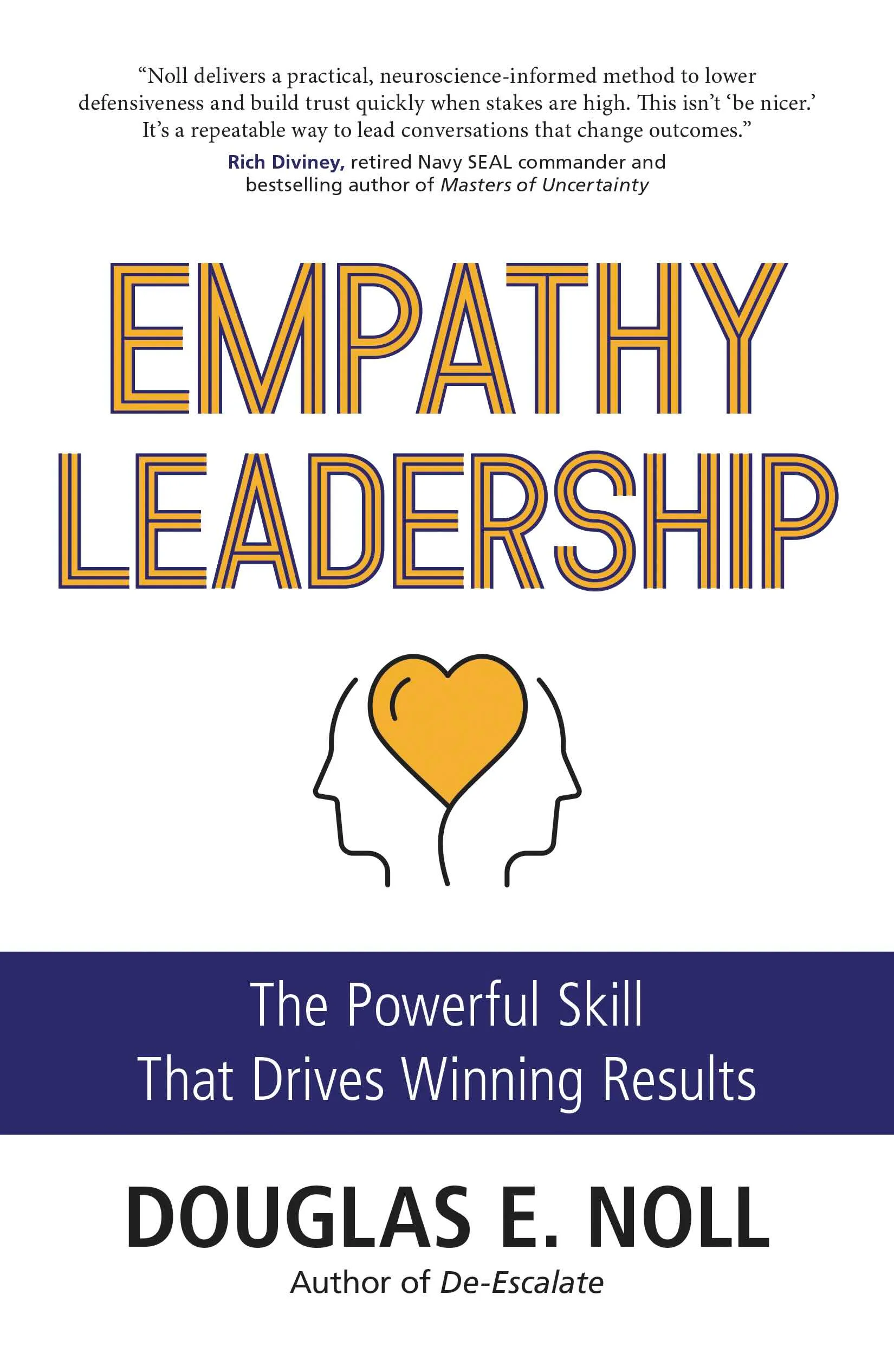
This is the neuroscience at the heart of Doug Noll's new book, Empathy Leadership: The Powerful Skill That Drives Winning Results. Pre-order on Amazon.
4. The premature solution jump
Teams rush to action before defining the real problem.
Bad action feels better than uncertainty.
It also creates rework.
The neuroscience of crisis
The amygdala processes threat before conscious reasoning begins.
In a crisis, threat is obvious:
- Reputation loss
- Revenue loss
- Client loss
- Legal exposure
- Status damage
Cortisol rises fast.
The prefrontal cortex loses influence.
Under activation:
- Listening declines.
- Memory narrows.
- Impulse control weakens.
- Strategic thinking collapses.
A dysregulated room cannot make clean decisions.
The leader’s first job is not solving.
It is stabilizing.
The 90-second protocol
First 30 seconds
Name the room.
Say:
“This is serious.”
Pause.
Then:
“There is pressure in the room.”
Pause.
This gives the nervous system reality and recognition.
No panic.
No denial.
Next 30 seconds
Label the emotion.
Say:
“You are concerned this could get worse.”
Pause.
“You are frustrated this happened.”
Pause.
“You are worried about the impact.”
Pause.
Short, declarative emotion labels.
No speeches.
No analysis.
Accurate labeling reduces amygdala activation. Cortisol begins to decline. The prefrontal cortex starts to reengage.
Final 30 seconds
Create sequence.
Say:
“First, we contain harm.”
“Second, we confirm facts.”
“Third, we assign ownership.”
“Fourth, we communicate.”
Now the room has order.
Only after regulation do decisions begin.
The operating rule
In crisis, do not ask:
“Who is responsible?”
Ask:
“What is the next containment action?”
Do not ask:
“How did this happen?”
Ask:
“What do we know for certain?”
Do not ask:
“What should we tell everyone?”
Ask:
“What must be communicated now to reduce harm?”
Sequence beats speed.
Regulation beats force.
If the 90-second protocol prevents one day of delay on a crisis with $500,000 at risk, the return is immediate.
If it prevents one public misstep, one legal escalation, or one client panic spiral, the value becomes seven figures.
Crisis leadership is not dramatic command.
It is nervous system control under pressure.
Name the threat.
Regulate the room.
Then act.
Emotional Competence Shapes Your Influence as a Leader
This 90-second emotional competence quiz will tell you how your emotions affect the way you are treated at work and how to gain the respect and influence you deserve as a leader.
Take the Free Assessment
Doug’s Books
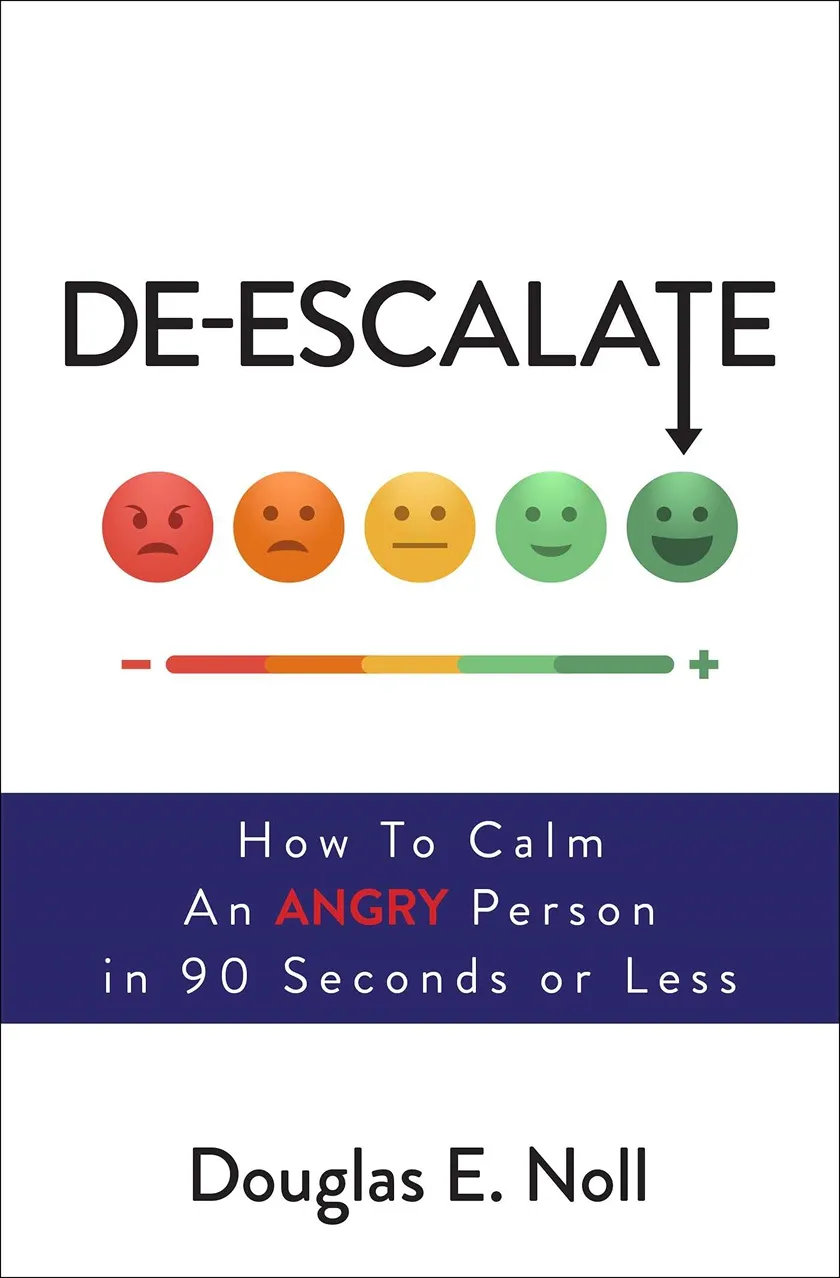
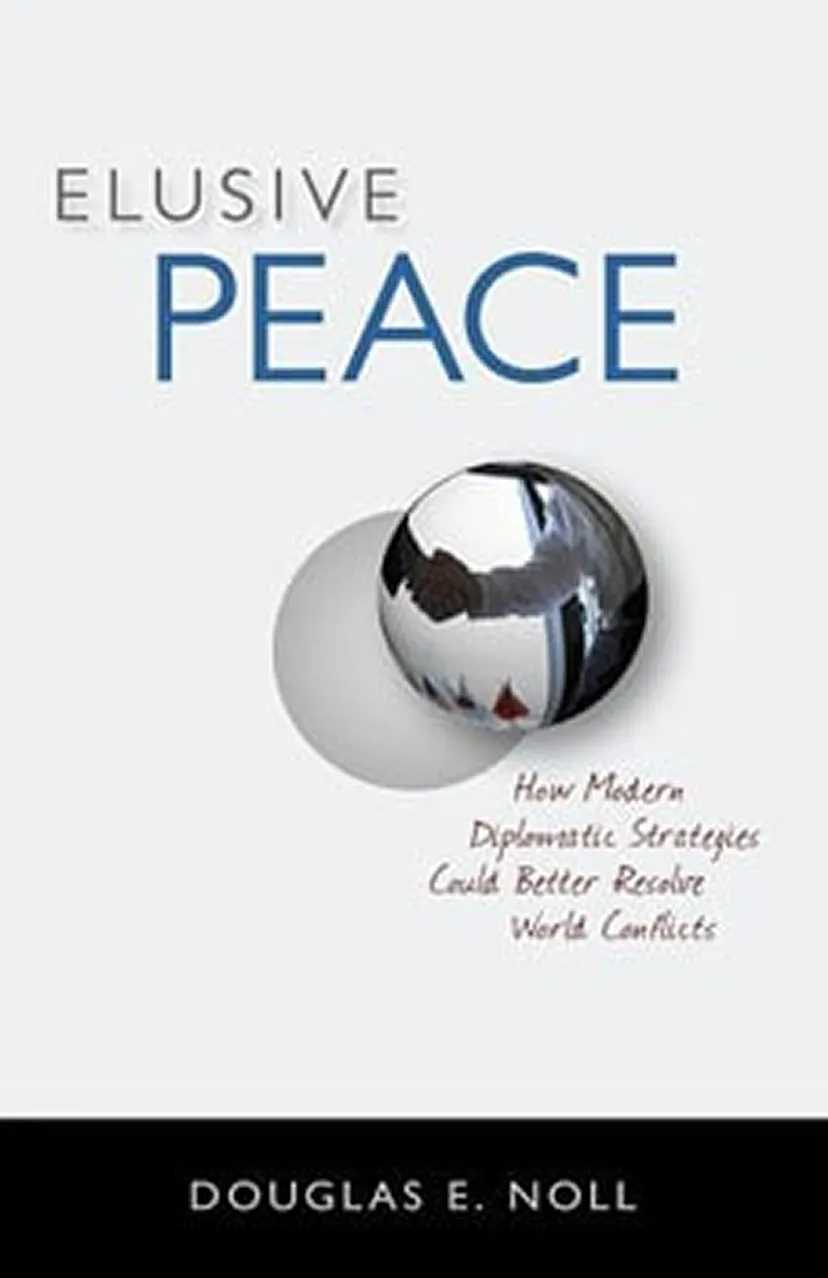
Doug has authored several books on affect labeling and emotional competency, including De-Escalate: How to Calm an Angry Person in 90 Seconds or Less, which won multiple awards and has been adopted by organizations worldwide.
More Blogs
View All

October 23, 2026
6 Powerful Reasons De-Escalation Training for Employees Doesn't Scale (and the Fix)
Read Blog

October 23, 2026
How Executive Dispute Mediation Actually Resolves a Board-Level Rupture
Read Blog

October 22, 2026
4 Critical Failures of Most Corporate Mediation (and the Approach That Works)
Read Blog