The CFO Everyone Wanted to Fire. Until One Meeting.
%201.avif)

The board had scheduled the item as "Finance leadership."
Everyone knew what that meant. Three of the seven directors had already discussed it privately, which is how these things get decided before they are decided. Two more were persuadable. The CEO had told the chair he would support whatever the board concluded, which is what a CEO says when he has stopped defending someone.
The CFO had been in the seat four years. Two consecutive forecast misses, a cash conversion problem that had been flagged twice, and a covenant conversation with the lender that had gone worse than it should have.
He was given the first fifteen minutes of the meeting to present the finance update.
He used eight of them and did not present the update.
What he did instead
He put up one slide with four lines on it.
"The forecast missed twice. I built both forecasts. Here is what I got wrong."
Then he walked through it. Not the market, not the sales team, not the timing of two deals that slipped. He described a specific methodological decision he had made in 2022 about how to weight pipeline by stage, why he had made it, why it had been wrong, and how long it had taken him to see it.
He said one sentence that a director later described as the moment the room changed. "I was slow to see it because I built it, and I have been treating challenges to the model as challenges to my judgment rather than as information."
Then he showed the revised methodology, the back-tested variance against the last eight quarters, and the current forecast built the new way, which was materially lower than the one in the pack.
He finished by saying that he understood the board was considering his position and that he was not going to make a case for himself beyond the work.
Why it worked
Not because he was contrite. Contrition on its own reads as performance and boards discount it heavily.
It worked because he did three things in sequence, and the sequence is the whole thing.
He named the failure before anyone else had to. The board had arrived carrying a piece of information they expected to have to force into the room. He put it on the table himself in the first ninety seconds. That single move converts the meeting from an interrogation into a review, and the room reorganises around the new frame immediately.
He named his own contribution to it, specifically. Not "we got it wrong." A named decision, a date, a mechanism. Specificity is what distinguishes accountability from a rhetorical device, and every experienced director can tell the difference instantly.
He named the psychological cause without excusing it. The sentence about treating challenges to the model as challenges to his judgment is affect labeling directed at himself, delivered in public. It is unusual and it is disarming, because it demonstrates the exact capability the board was worried he lacked.
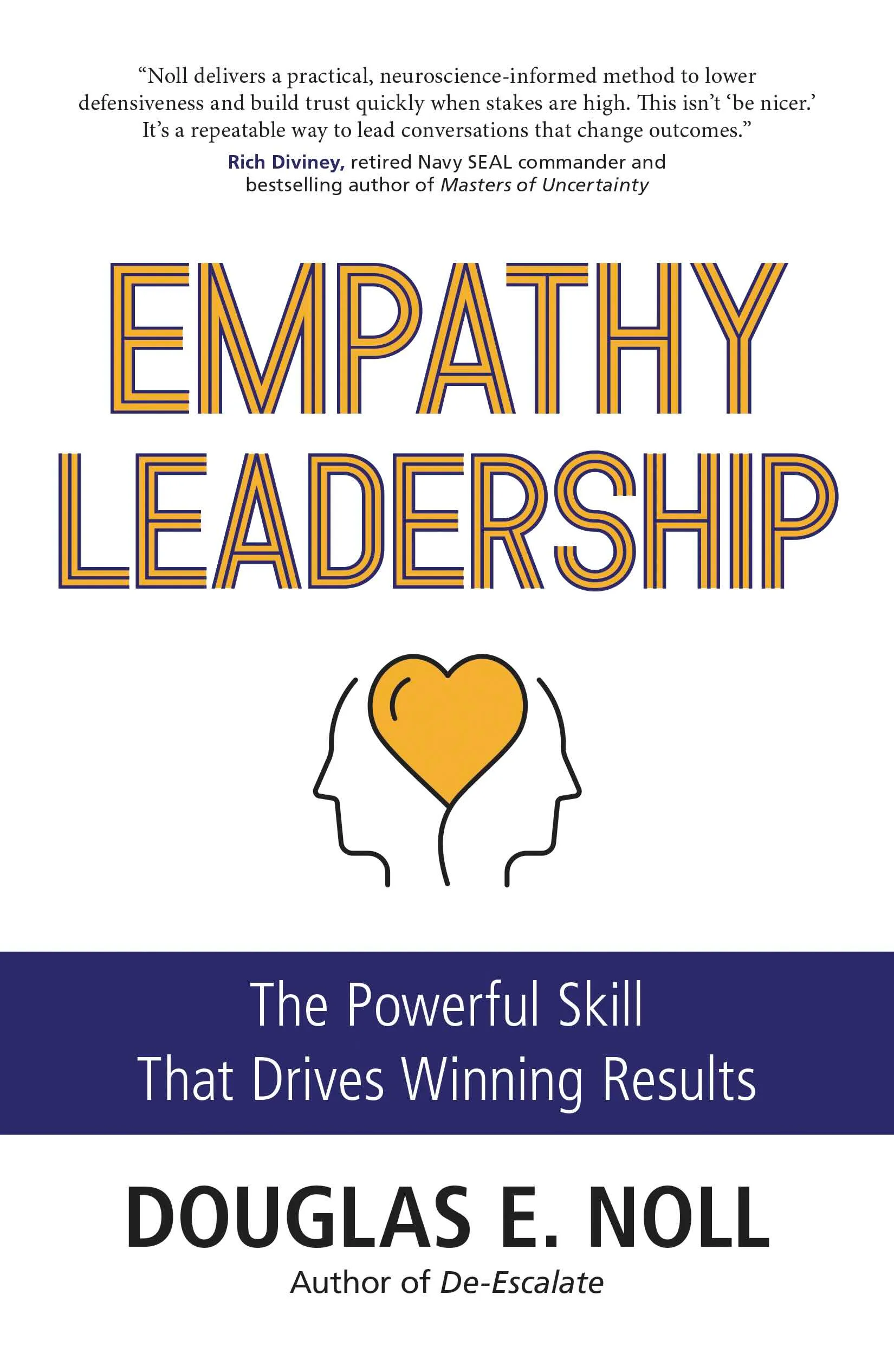
Doug Noll's new book Empathy Leadership: The Powerful Skill That Drives Winning Results covers the structure of accountability that restores authority instead of surrendering it. Pre-order it on Amazon.
The mechanics underneath
A board removing an executive is rarely making a judgment about a past error. It is making a prediction about future information flow.
The question underneath every one of these decisions is: will this person tell us the truth early enough for us to act on it?
Two forecast misses are evidence on that question but they are not the answer. The answer is what he does with the misses, and he answered it in eight minutes more convincingly than any amount of remedial performance could have.
Three directors changed position in that meeting. The item was deferred. He is still there four years later and the finance function is now considered the strongest part of the business.
What most executives do instead
They present the update. Then, if pressed, they explain the miss with a set of factors that are individually true and collectively exculpatory.
Every director in the room has heard that presentation many times. It produces a specific reaction, which is that the executive either cannot see their own contribution or can see it and will not say it. Both readings are fatal.
The tragedy is that the exculpatory factors are usually real. Deals do slip. Markets do move. The executive is frequently being accurate.
Accuracy is not what the room is assessing.
The structure, if you need it
Name the failure first, before you are asked.
Name your specific contribution, with a decision and a date.
Name what you did not see and why, including the psychological part if you can locate it.
Then present the work, and let the work be the argument.
For related reads, see Executive Apologies and Vulnerable Leadership Without Weakness.
If you are heading into a meeting where your position is the subject, book a no-obligation Zoom call with Doug Noll.
Emotional Competence Shapes Your Influence as a Leader
This 90-second emotional competence quiz will tell you how your emotions affect the way you are treated at work and how to gain the respect and influence you deserve as a leader.
Take the Free Assessment
Doug’s Books
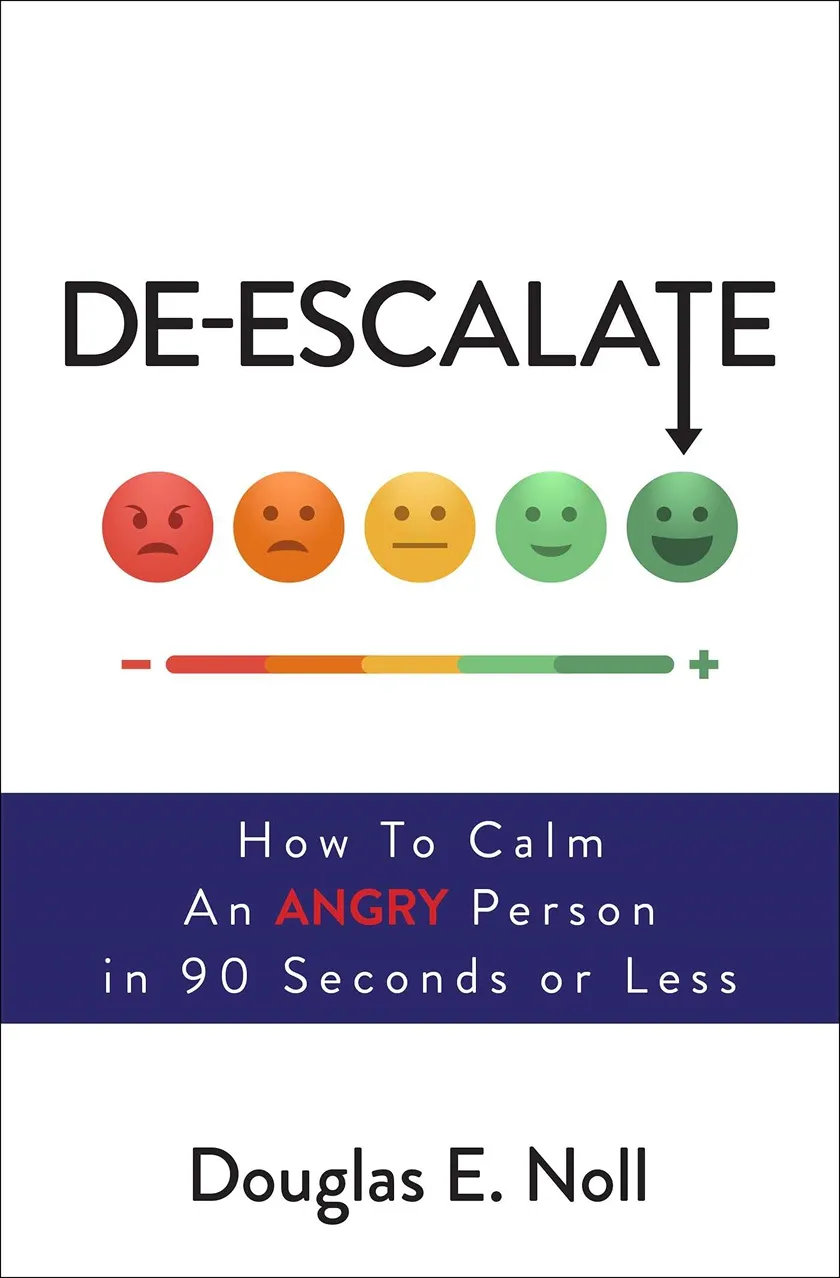
Doug has authored several books on affect labeling and emotional competency, including De-Escalate: How to Calm an Angry Person in 90 Seconds or Less, which won multiple awards and has been adopted by organizations worldwide.

More Blogs
View All