The Board Meeting That Cost 12 Million Dollars. And It Wasn't About the Numbers.
%201.avif)

The financials were fine.
That is worth stating first, because everything that follows makes no sense otherwise. Revenue was 3 percent ahead of plan. EBITDA was in line. Two of the three initiatives were on track and the third had a credible recovery path.
Forty-five minutes into the quarterly, the deal partner put up a slide titled "Founder Dependency Risk."
It was a fair slide. It showed that six of the top ten customer relationships sat personally with the founder, that no succession existed for any of them, and that this was a material risk to exit value. Every sponsor makes this slide. Most companies need it.
The founder read the title, read the bullets, sat back in his chair, and said, "Is that what you think I am?"
Then he stood up and left the room.
What the slide said and what he heard
The slide said: the business has concentration risk in its commercial relationships and we should build redundancy.
He heard: you are a liability.
Those are not the same sentence and the gap between them is where twelve million dollars went.
He had spent nineteen years building those relationships. Two of them predated the company. One of the customers had extended him terms in 2009 that kept the business alive. In his understanding of himself, those six relationships were not a risk. They were the reason there was anything to have a board meeting about.
The amygdala processes status threat and physical threat through overlapping circuitry, and it does not wait for context. By the time his prefrontal cortex could have evaluated the slide on its merits, he was already out of the room.
The four weeks that followed
He did not resign. It was less clean than that.
He declined to attend the following month's operating review, sending his COO. He stopped responding to the deal partner directly and routed everything through the CFO. He had a conversation with a competitor at a conference that got back to the board.
Two of the six customer relationships were up for renewal in that window. Both renewed, but one of them at a two-year term rather than the four-year the plan assumed, which changed the revenue quality in the exit model.
The sponsor's own valuation committee marked the position down at the next quarterly review. The write-down was $12 million. The stated reason was "management stability."
What the deal partner should have done in the eleven seconds after
This is the part worth being precise about, because the moment is recoverable and almost nobody recovers it.
When the founder said "is that what you think I am," the deal partner said, "That is not what this is about, let me walk you through the analysis."
That response is entirely reasonable and it is exactly wrong. It addresses the content when the content is not what is happening. It also implicitly tells him that his reaction was a misunderstanding, which adds a second injury to the first.
What works is naming, and it takes one sentence.
"No. And I can hear that the slide landed as though we think you are the problem. That is worth stopping on."
Then stop. Do not explain the analysis. Do not defend the slide. The analysis will keep. What will not keep is a founder whose nervous system has just categorised the sponsor as a threat, because that categorisation is sticky and expensive.
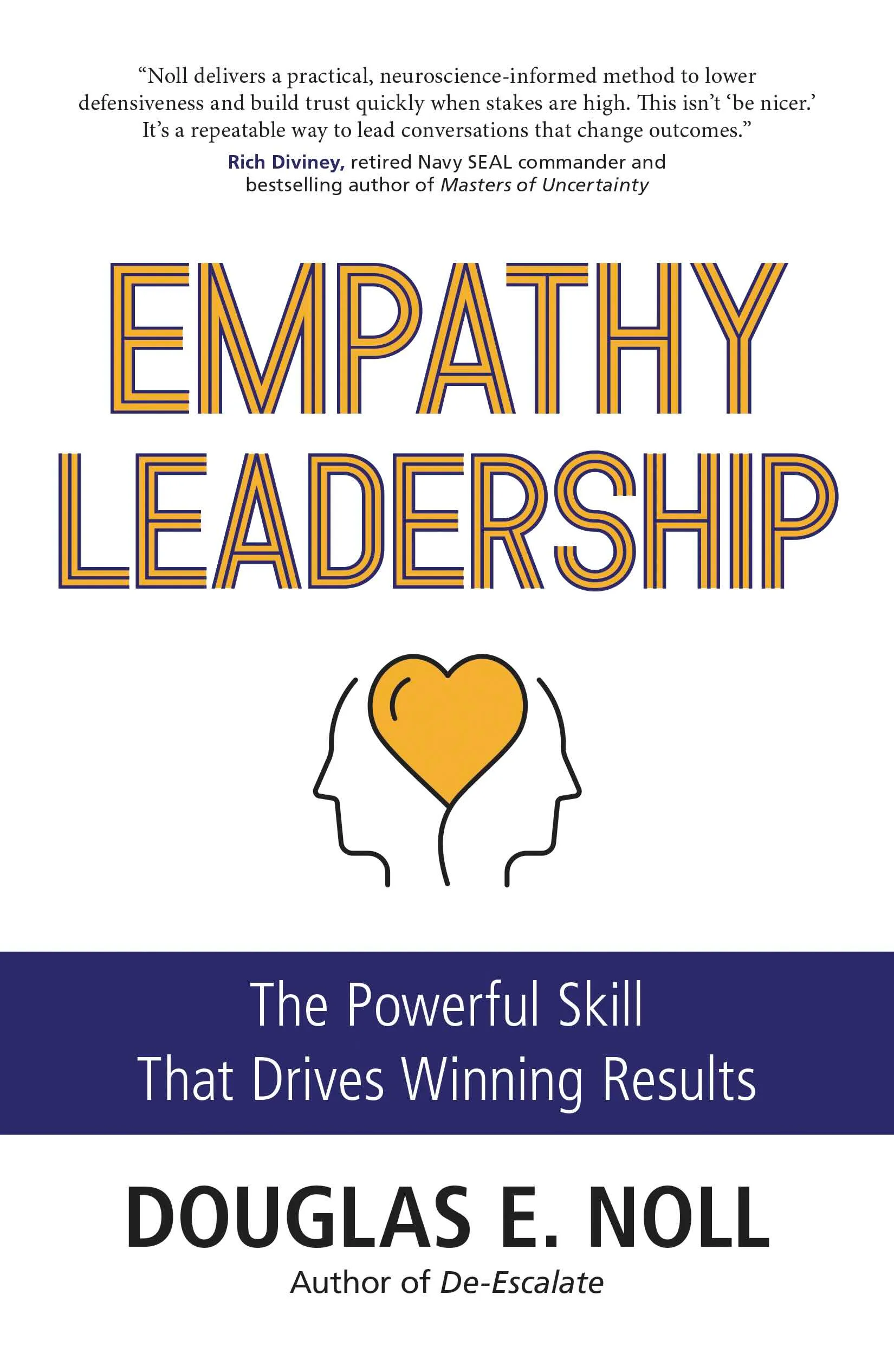
Doug Noll's new book Empathy Leadership: The Powerful Skill That Drives Winning Results covers the specific move that recovers a board conversation in the seconds after it goes wrong. Pre-order it on Beyond Words.
How the slide could have been framed
The content had to be delivered. Founder dependency was a real risk and ignoring it would have been negligent.
Three changes, none of which soften the substance.
Deliver it privately first. Anything that touches a founder's identity should never be first encountered in front of a board. The public version should be the second time he has seen it.
Frame the asset, not the risk. "Six of our top ten relationships are personally held by the founder. That is an unusual commercial asset and it is also concentrated. Here is how we protect the value of it." Same analysis. Different subject of the sentence.
Give him the pen. Ask him to propose the succession approach for those accounts rather than presenting one. He knows those customers better than anyone in the room and the plan will be better. More importantly, he is then the author rather than the object.
The repair that eventually happened
Six weeks later the chair of the board, not the deal partner, took him to dinner and said one thing before the food arrived.
"We handled that badly and it was not about you being replaceable."
The founder talked for two hours. He stayed another three years. The business exited well.
The $12 million write-down was reversed in a subsequent quarter. The relationship never fully recovered, and the founder still refers to that meeting when he talks to other founders about taking sponsor capital.
For related reads, see Executive Apologies and Psychological Safety Under Pressure.
If you have a board conversation coming up that touches a founder's identity, book a no-obligation Zoom call with Doug Noll before you build the deck.
Emotional Competence Shapes Your Influence as a Leader
This 90-second emotional competence quiz will tell you how your emotions affect the way you are treated at work and how to gain the respect and influence you deserve as a leader.
Take the Free Assessment
Doug’s Books
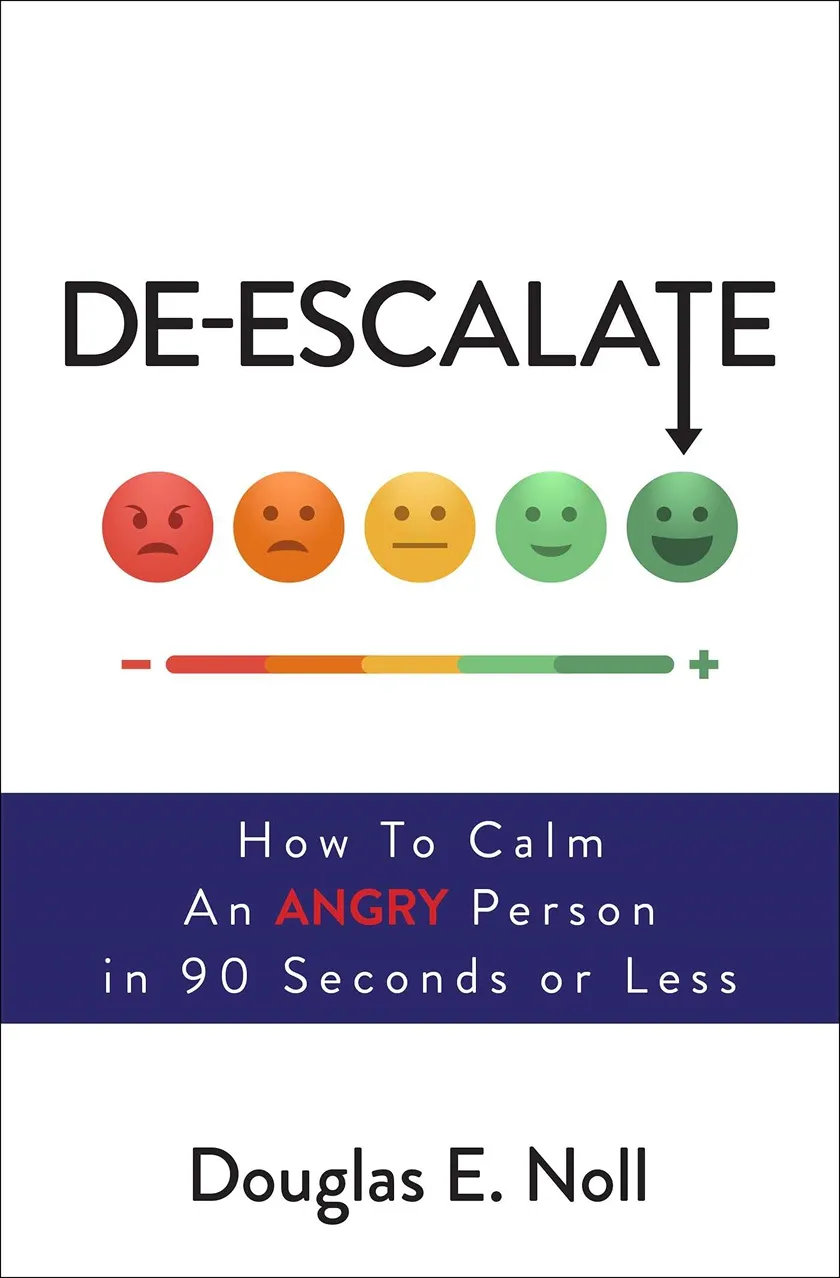
Doug has authored several books on affect labeling and emotional competency, including De-Escalate: How to Calm an Angry Person in 90 Seconds or Less, which won multiple awards and has been adopted by organizations worldwide.

.jpg)