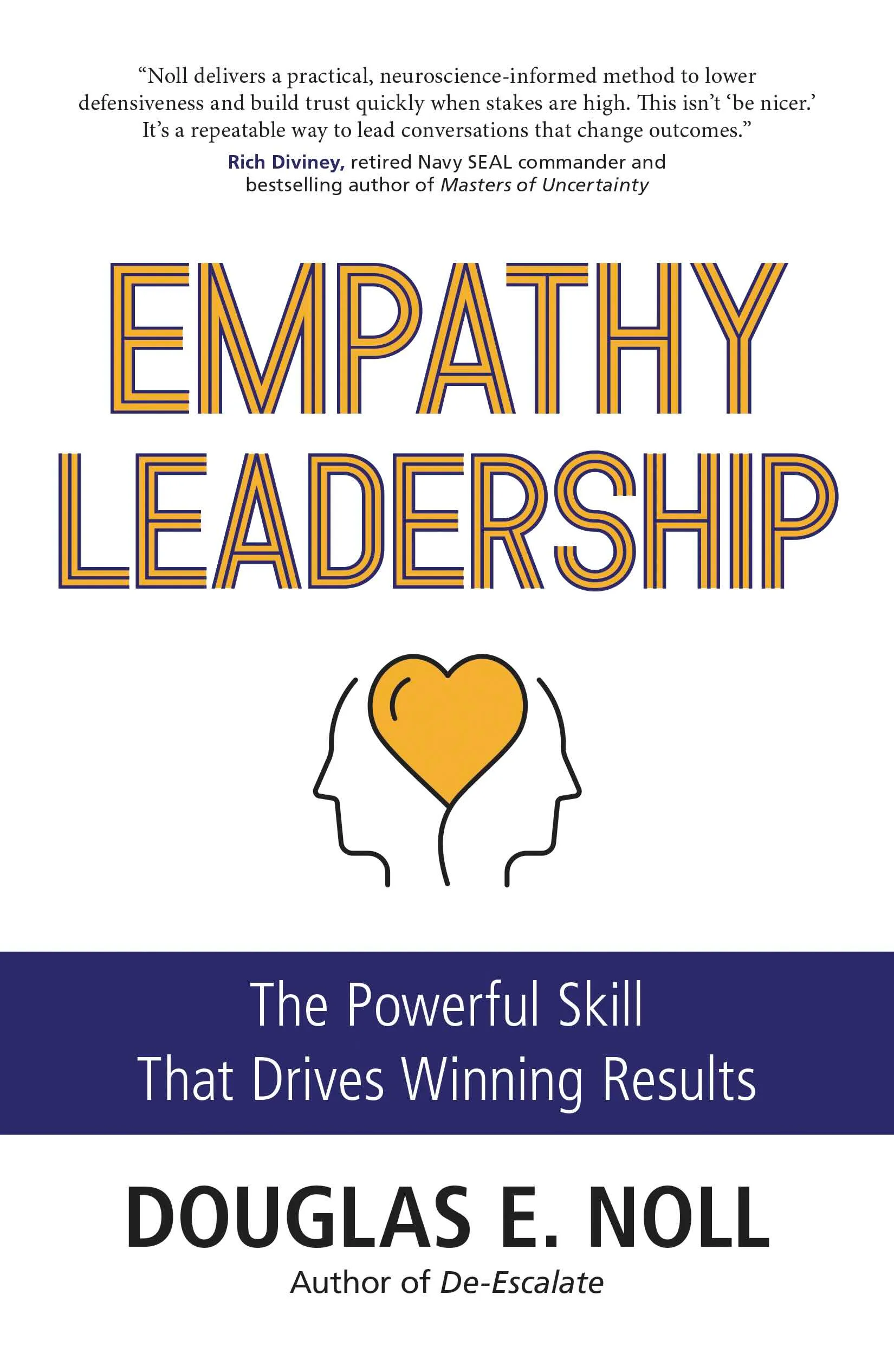
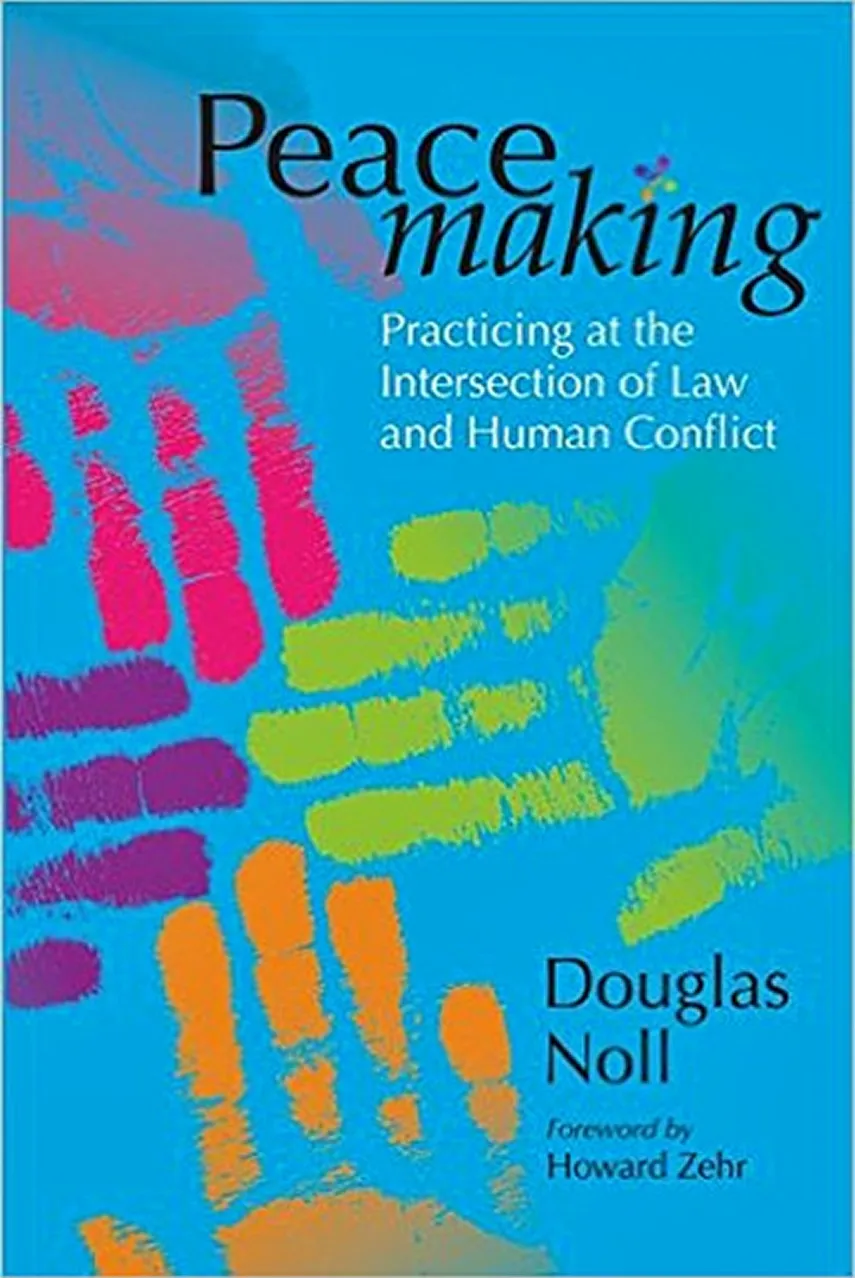
Handle difficult people using neuroscience.
Emotion rules us. Mastering it frees us.
How emotionally aware are you as a leader? Find out for free in 2 minutes.
Take the Quiz
What if everything you've been taught about handling difficult people is completely backward?
From boardroom standoffs to kitchen blowups, conflict is the same: emotions peak, logic fades, and someone says or does something they can't take back.
Conventional wisdom tells you to control yourself in that moment. But self-control doesn't calm the other person down.
The brain has a predictable escalation pattern. Learn to interrupt it, and you control the outcome—every time.
"I wouldn't be alive today without Doug's work... The changes in my children, my household, the energy, my connection with my wife and friends—it's all completely different."
Jay Gruben
Business Leader & Father
Break the Cycle of Exhausting, Unproductive Conflict
Stuck in the Cycle:
Tensions escalate the moment someone gets emotional
Every interaction feels like navigating a minefield
Your relationships deteriorate with each heated exchange
You've tried "staying calm" but it never works
Unshakable & in Control:
Stop emotional flooding in 90 seconds flat
Transform accusations into productive conversations
Build trust that lasts through any challenge
Master the one technique that works when nothing else does
Proven in Fortune 500 Boardrooms and Maximum Security Prisons
I used to think I knew how to handle difficult people. As a trial attorney, I made my living winning arguments.
I was dead wrong.
When I first taught this method to incarcerated people serving life sentences for violent crimes, even hardened prison staff were stunned by the results. The technique that worked in maximum security prisons now transforms dynamics in Fortune 500 boardrooms, healthcare settings, and personal relationships.
Prison of Peace
Two Paths to De-Escalation
Master the 90-second method yourself so you're prepared for anything, or bring Doug in when the situation is already critical and you need an expert to intervene now.
One
De-Escalation Training
Master the 90-second method in 8-10 weeks through individual coaching, team training, or online courses.
Executive one-on-one coaching
Organization-wide implementation
Online courses and workshops
Over 10,000 graduates worldwide
Two
Direct Expert Intervention
Non-litigated mediation facilitated by Doug for conflicts
that demand immediate expert intervention.
Post-acquisition team breakdowns
Partnership conflicts heading toward litigation
Family business and succession disputes
Complex multi-party stakeholder mediation
Discuss Your Situation
Adopted by Fortune 500
Companies and 10,000+ Graduates
Worldwide
Executives handling billion-dollar crises, couples exhausted by the same fights, and families torn by succession conflicts all learned the same technique that changed prison environments.
"Doug Noll is one of the most powerful speakers and teachers I have ever seen. He has taken complex ideas from cognitive psychology and neuroscience, distilled the essence of what is important to us for de-escalating strong emotions in conflicts, and presented his ideas in an entertaining, easy-to-follow, and engaging manner."
"It’s been a long time since I've had as much interest, passion and desire to learn. Lost count of the number of epiphanies I experienced in the class. Thank you."
"Doug Noll is a dynamic plenary speaker and an outstanding workshop presenter. He combines his knowledge, experience and wit to engage the audience and receive their full attention and participation in his presentation..."
"Ignore the words, listen only for the emotions’. Why have I not realized this before, in all my 56 years!? You truly are having a positive impact and making ripples, literally, around the world. Add to that the framework for stacking the affect layers and their order of presentation. Wow!"
"It was a great pleasure participating in your workshop at the New York Peace Institute last weekend. Many thanks for the insights. It made a great contribution to my understanding of the phenomenon of "disappearing" emotionalism."
"After living my whole life believing the lie that other people are responsible for meeting my emotional needs (due to a hard upbringing), I am finally free. You are a genius and I am so grateful to have found your method."
Emotional Competence Shapes Your Influence as a Leader
This 90-second emotional competence quiz will tell you how your emotions affect the way you are treated at work and how to gain the respect and influence you deserve as a leader.
Take the Free Assessment
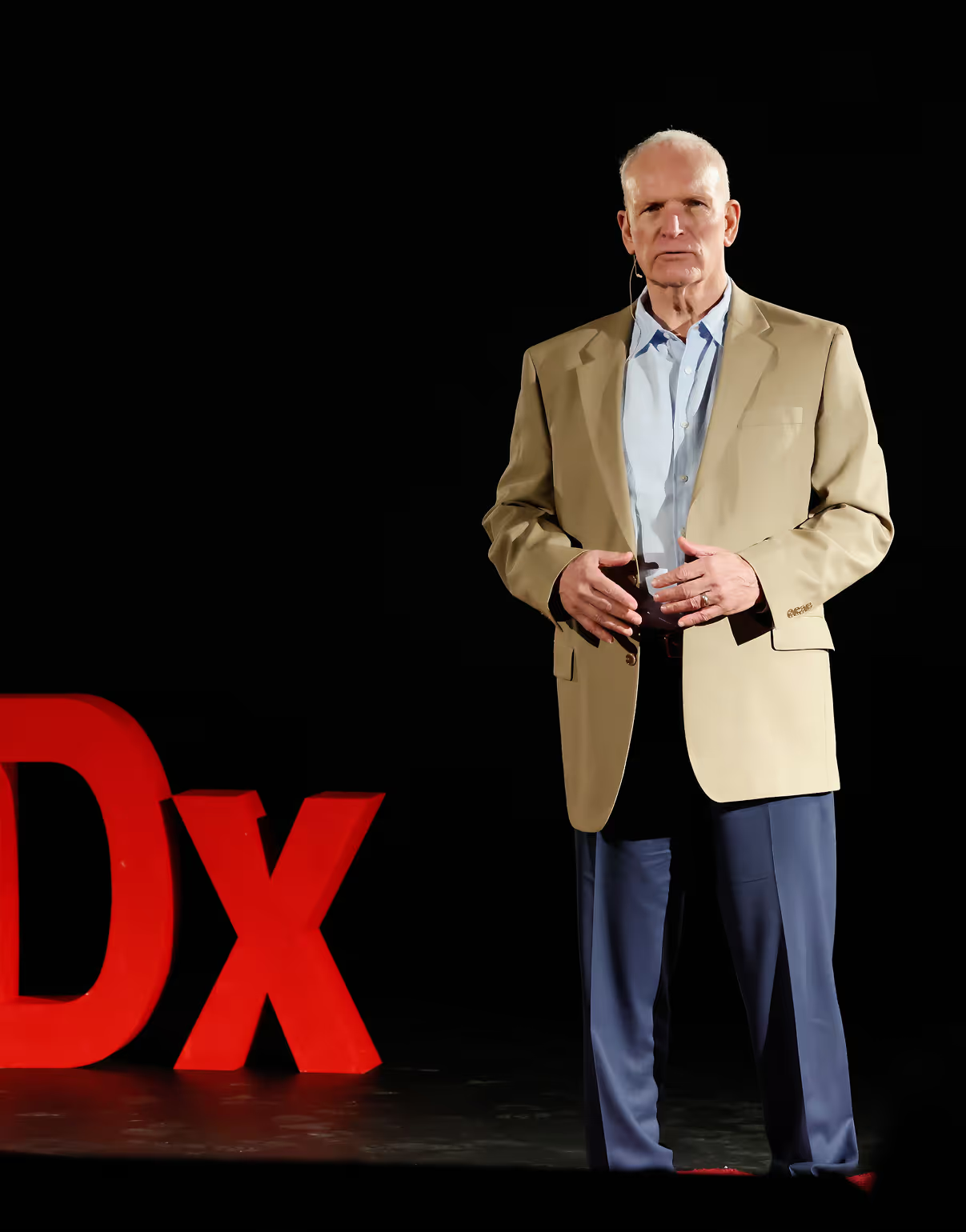
Meet Doug Noll
Award-winning mediator, bestselling author, and creator of the Noll MethodTM, Doug has trained Congressional staffers, corporate leaders, and violent prison inmates in the art of listening to and naming emotions.
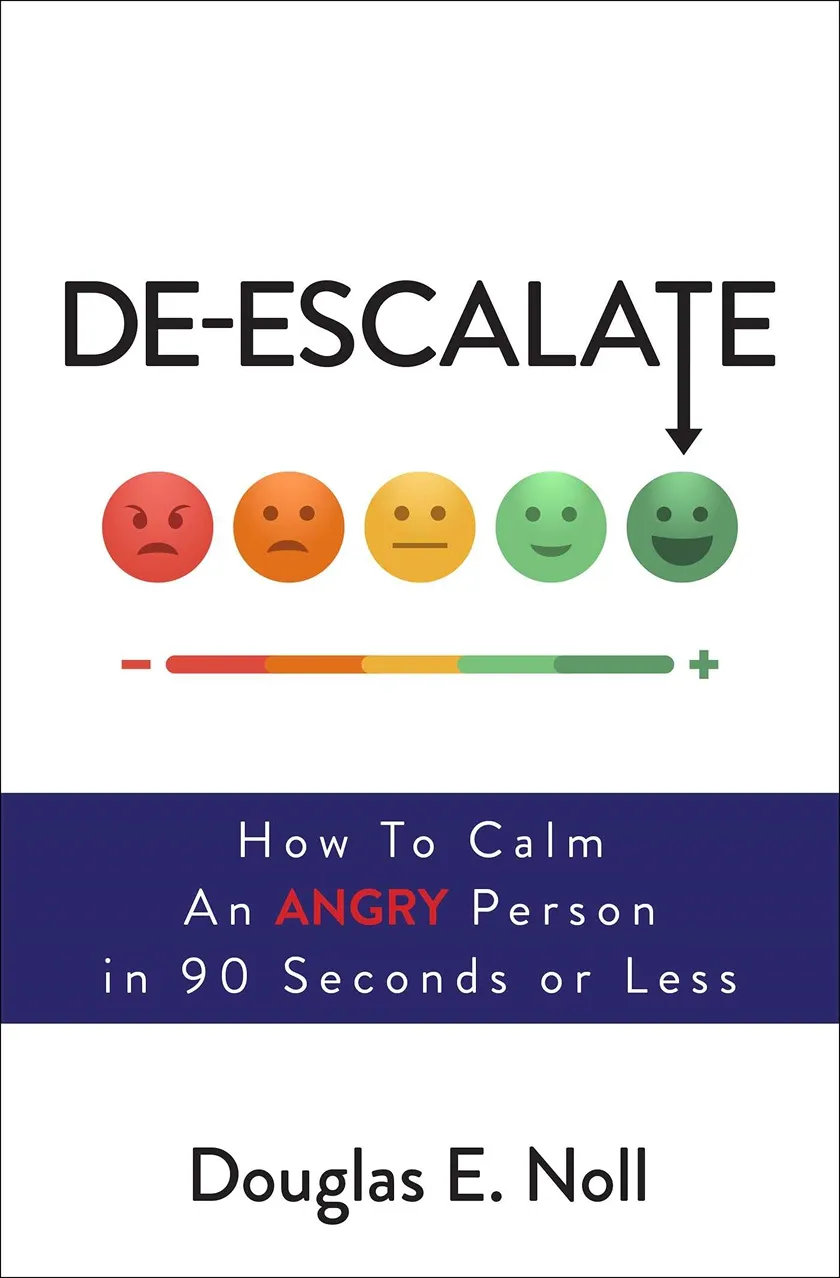
His book De-Escalate won the Book Excellence Award, while Elusive Peace earned the CPR Institute's Outstanding Book Award.
Learn More
%201.avif)