What One Bad Resignation Costs Before Anyone Backfills
%201.avif)

The founder said the loss was manageable. His CFO said, "I want to run the number for you before you say that again."
The person who had resigned was a VP of Customer Success. She had been at the company for four years. She managed twenty-three people. She had one of the two accounts that represented eighteen percent of ARR.
Her last day was in three weeks. The founder had already circulated a note to the leadership team saying, "We will absorb this."
The CFO booked ninety minutes on his calendar the next day and walked him through what "absorbing this" would actually cost, in the six weeks before a backfill had even been sourced.
The six lines that added up
The first line was the customer she had personally saved during a renewal negotiation the previous quarter. That customer's Chief Revenue Officer had a relationship with her, not with the company. Odds of that account renewing were now materially lower. The CFO put a probability-weighted number on it. Six figures.
The second line was her twenty-three reports. Three of them had been quietly interviewing since her resignation was announced. Not because of compensation. Because she had shielded them from the founder's leadership style. The company was about to lose more people. The CFO ran the fully loaded replacement cost of three additional resignations and added it.
The third line was time the founder himself would spend covering her responsibilities during the gap. His time had a fully loaded cost. It also had an opportunity cost. He would not be doing the fundraising conversations he was supposed to be doing. The CFO priced both.
The fourth line was the two ongoing projects her team was executing that had been dependent on her judgment. Both would slow. Both had commercial deadlines. The CFO put a range on the revenue that would slip a quarter.
The fifth line was recruiter fees, sign-on bonuses, and the six months of ramp time before whoever replaced her would deliver at her level.
The sixth line was the one the founder found hardest to hear. It was the signal her resignation sent to the rest of the leadership team. When a senior person leaves under specific circumstances, the leadership team updates its own risk model. Two of his other VPs would begin quietly taking recruiter calls in the next thirty days.
How much is one unresolved conflict really costing your company?
What the number came to
The CFO added the six lines. He was conservative on every one of them. The total was seven figures. The line item that was hardest to swallow was that the majority of it would land in the current fiscal year, not the next.
The founder read the sheet twice. Then he asked the question the CFO had been waiting for. "Why did she actually leave?"
The CFO did not have to answer. They both knew.
She had left because eighteen months earlier the founder had reorganized her team without consulting her. She had raised the concern once in a meeting. He had disagreed with her in front of her peers. She had absorbed it. She had never brought a hard thing to him again. She had been interviewing since March.
The reorganization saved the company nothing. The person who had raised the concern about it had just cost the company seven figures. The amygdala is a cheap organ to trigger and an expensive one to explain to a board.
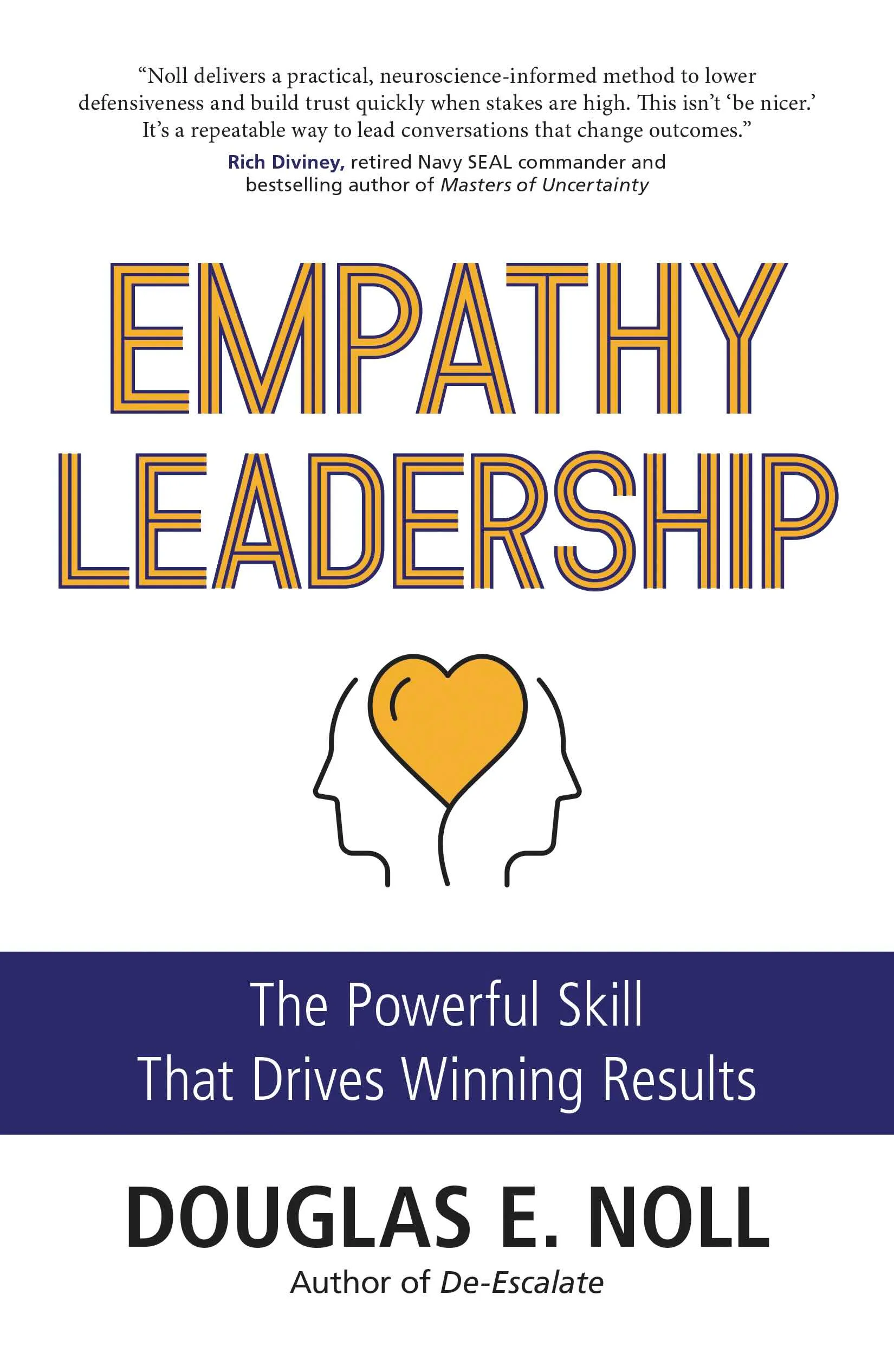
Doug Noll's new book Empathy Leadership: The Powerful Skill That Drives Winning Results lays out the protocol founders use to keep senior people from quietly deciding to leave. See it here.
What the CFO said at the end of the meeting
He said one sentence. "Every senior resignation in this company for the last two years has followed the same pattern. She raised something once. You disagreed with her in the room. She absorbed it. She left twelve to eighteen months later."
The founder did not defend himself. He said, "Which people am I on that clock with right now?"
The CFO named three. Two of them had raised something in the last month.
The founder went and had a conversation with each of them that week. Not a coaching conversation. A conversation that started with him saying, "I want to name something I did to you that I did not know I was doing." Two of the three stayed. The third had already accepted an offer.
The math on that third one was worse than the first resignation, because the first resignation was the one that would compound.
Emotional Competence Shapes Your Influence as a Leader
This 90-second emotional competence quiz will tell you how your emotions affect the way you are treated at work and how to gain the respect and influence you deserve as a leader.
Take the Free Assessment
Doug’s Books
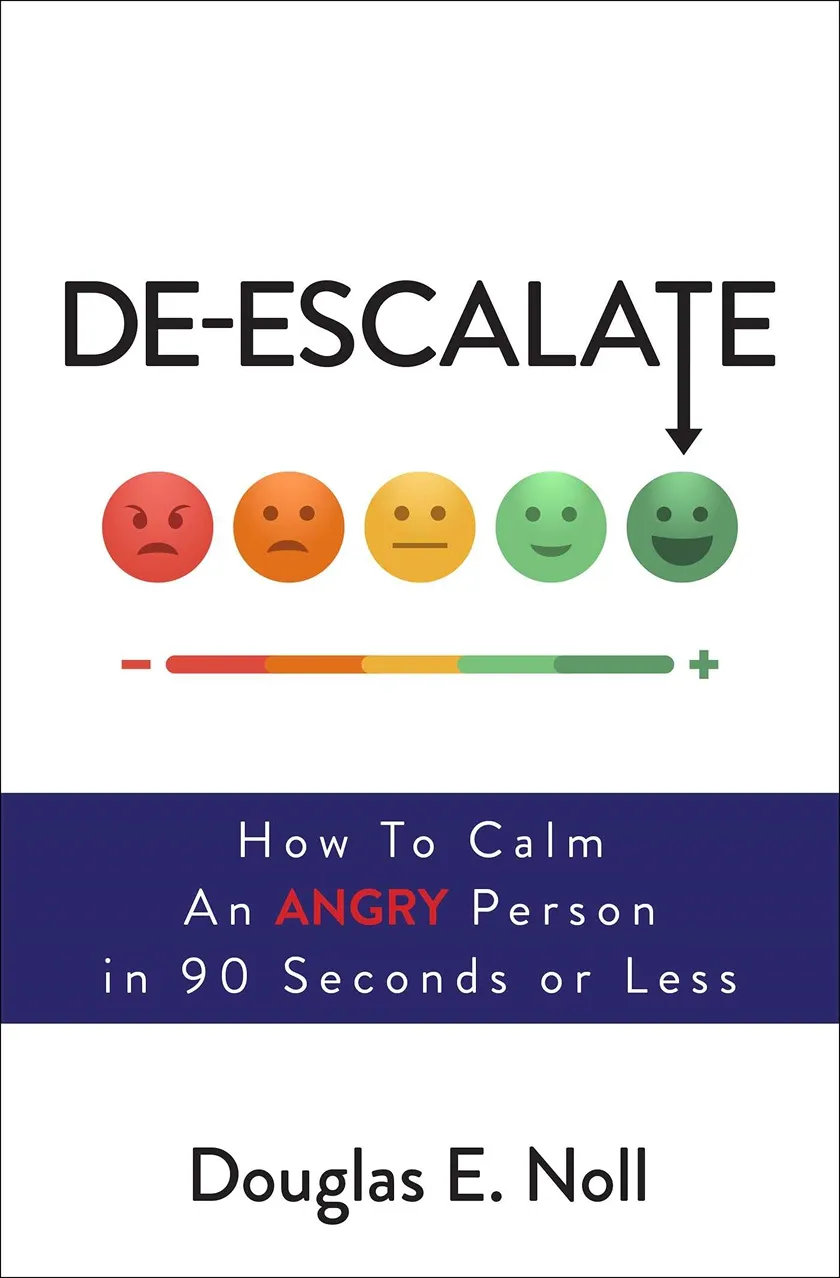
Doug has authored several books on affect labeling and emotional competency, including De-Escalate: How to Calm an Angry Person in 90 Seconds or Less, which won multiple awards and has been adopted by organizations worldwide.



More Blogs
View All

.jpg)