Turnover Math-Why Replacing “Difficult” Talent Costs 200%
%201.avif)

You fire a “difficult” high performer earning $150,000.
You believe you removed friction.
You just triggered a 200 percent cost event.
Replacement cost for mid to senior level roles ranges from 150 to 200 percent of annual salary. On $150,000, that equals $225,000 to $300,000.
That includes recruiting fees, signing bonuses, onboarding time, lost productivity, client disruption, and internal management hours.
It does not include morale impact or institutional knowledge loss.
That is the Turnover Tax.
And most of it is self inflicted.
The diagnosis
You believe the person is the problem.
They challenge authority. They argue in meetings. They question decisions. They push hard.
You conclude they are toxic.
You decide to replace them.
The hidden variable is unregulated emotion.
When conflict escalates, both parties experience amygdala activation. Cortisol rises. The prefrontal cortex, responsible for impulse control and strategic thinking, loses influence.
You do not see nuance.
You see threat.
Threat narrows judgment.
Termination feels clean and decisive.
It is usually expensive and avoidable.
The real cost breakdown
Replacing “difficult” talent is not a line item. It is a cascade.
1. Direct hiring costs
Executive search fees range from 20 to 30 percent of salary.
On $150,000, that equals $30,000 to $45,000.
Add advertising, internal HR time, interview hours from senior leaders, and the cost increases.
2. Productivity gap
A new hire takes 3 to 6 months to reach full productivity.
If that role generates $500,000 in annual revenue, a 25 percent productivity gap for 4 months equals roughly $40,000 in lost output.
3. Client and relationship disruption
High performers carry institutional memory and client trust.
When they leave, client confidence drops.
Even a 5 percent loss on a $2 million account equals $100,000.
4. Team ripple effect
Top performers watch how you handle conflict.
If they perceive volatility or intolerance, they update their risk calculation.
Voluntary turnover increases.
Replacing one “difficult” high performer can trigger two quiet exits within 12 months.
The multiplier effect pushes total cost beyond 200 percent quickly.
The neuroscience you ignore
High performers who challenge authority are rarely irrational.
They are emotionally activated.
When they feel dismissed, unheard, or constrained, their amygdala activates. Cortisol rises. Language sharpens. Tone hardens.
You interpret intensity as defiance.
Your amygdala activates in response.
Now both nervous systems are in threat mode.
In that state:
- Nuance disappears.
- Empathy decreases.
- Attribution bias increases.
- Long term cost is ignored in favor of short term relief.
Termination becomes emotionally satisfying.
It is financially destructive.
The counterintuitive protocol
Do not fix behavior first.
Regulate emotion first.
When the “difficult” employee pushes back in a meeting, do not counter with logic.
Say:
“You are frustrated this decision feels wrong.”
Pause.
When they challenge authority sharply, do not assert control.
Say:
“You feel strongly that this matters.”
Pause.
When they escalate tone, do not escalate back.
Say:
“You are feeling unheard.”
Pause.
One short, declarative sentence that names the emotion.
Nothing else.
Accurate emotional labeling reduces amygdala activation. Cortisol decreases. The prefrontal cortex reengages. Rational discussion returns.
Only then do you move to structure:
“Here is the constraint we are working within.”
Or:
“What alternative do you propose?”
You are not tolerating bad behavior.
You are stabilizing the nervous system so accountability can land.
The retention shift
If emotional regulation retains one high performer earning $150,000 whose replacement would cost $250,000, the return on skill is immediate.
If it also prevents one secondary resignation, the savings compound.
You do not lose “difficult” talent because they are impossible.
You lose them because the emotional climate makes conflict unsafe and reactive.
Conflict is inevitable.
Turnover is optional.
Replacing people feels decisive.
Regulating emotion is profitable.
Join Our Free Skool Community Connect with other visionary leaders and gain access to exclusive resources, training videos, and live sessions on leadership empathy. Our Skool Community is dedicated to helping you master the A.R.A. Framework and build a world class team culture. [Click here to join the Empathy Leadership Skool Community for FREE]
Emotional Competence Shapes Your Influence as a Leader
This 90-second emotional competence quiz will tell you how your emotions affect the way you are treated at work and how to gain the respect and influence you deserve as a leader.
Take the Free Assessment
Doug’s Books
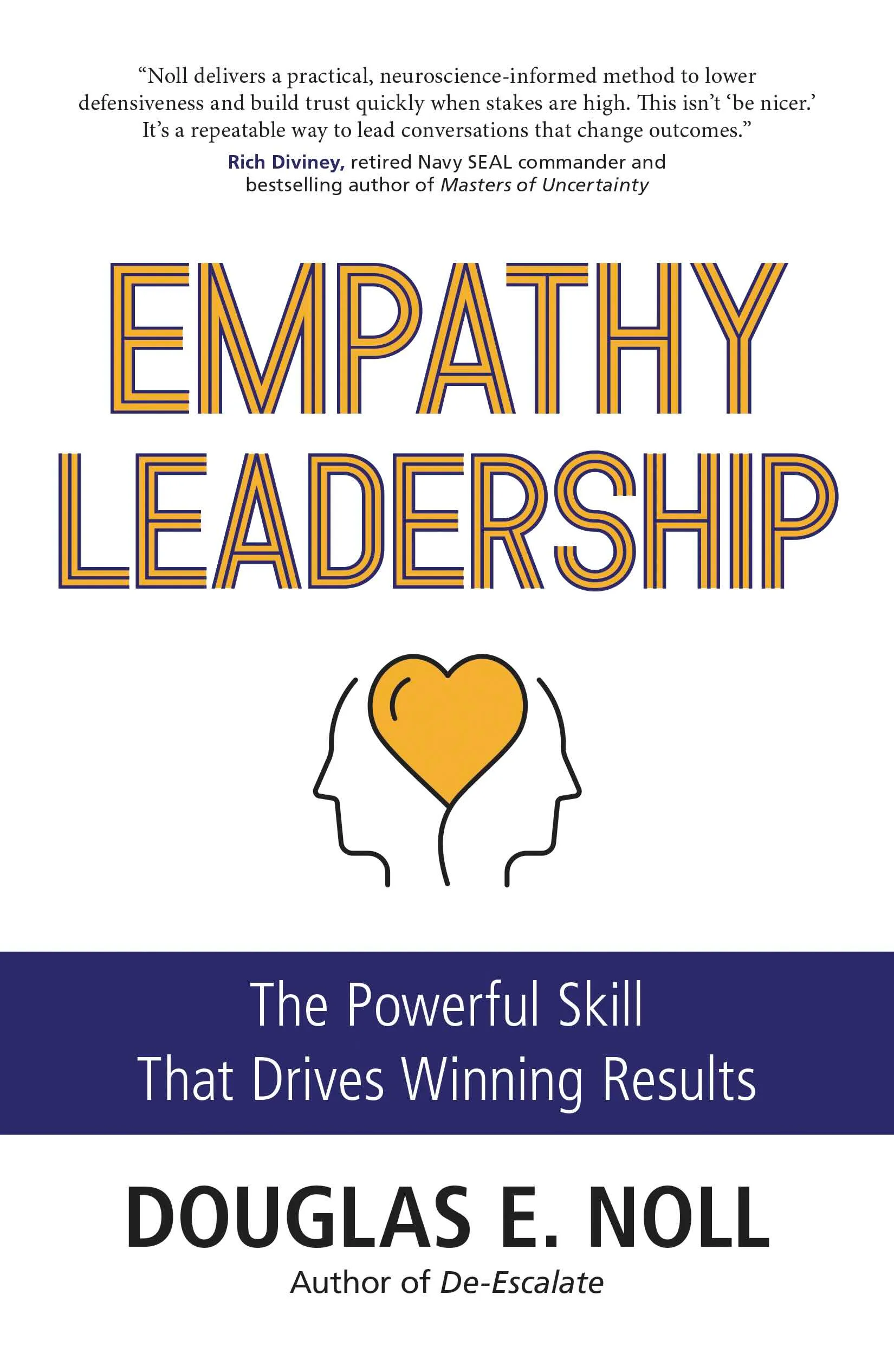
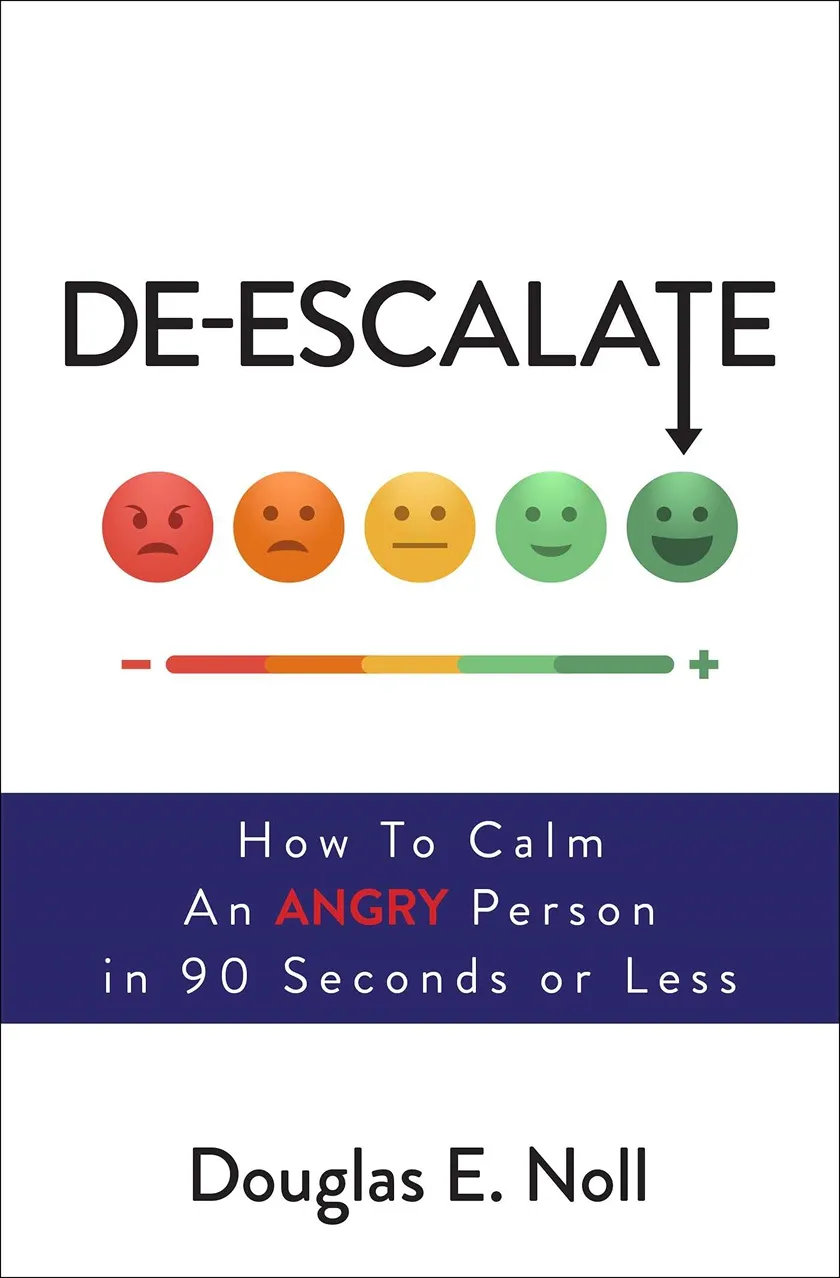
Doug has authored several books on affect labeling and emotional competency, including De-Escalate: How to Calm an Angry Person in 90 Seconds or Less, which won multiple awards and has been adopted by organizations worldwide.



More Blogs
View All

October 22, 2026
What Leading With Empathy Looks Like in a Hard Quarter: 5 Executive Examples
Read Blog

October 21, 2026
The 6 Essential Elements of Empathy Training for Managers That Actually Sticks
Read Blog

October 21, 2026
5 Hidden Reasons Empathy Training in the Workplace Fades by Month Three
Read Blog